
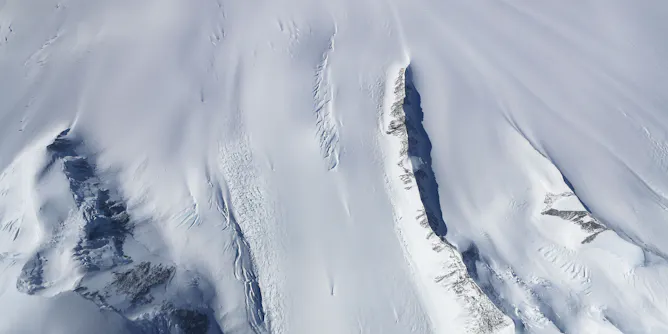
Two centuries after it was first sighted by Russian explorers, Antarctica is a key site for studying the future of Earth’s climate – and for global scientific cooperation.
Articles on Antarctica
Displaying 201 - 220 of 417 articles

Living sustainably has its challenges, but none greater than in the climate and geography of Antarctica.

Emperor Penguins thrive in harsh conditions, but a new study shows that their fate depends on human action to slow global warming and associated loss of sea ice.
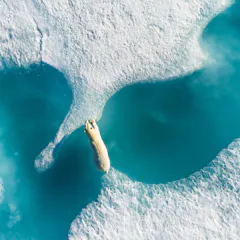
Antarctica is no longer the sleeping giant of sea level rise. New research delved into the past and found when the Earth warms, its ice sheets can melt extremely quickly.
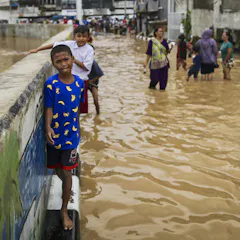
New research confirms that what the world pumps into the atmosphere today has grave long-term consequences. Governments - especially Australia’s - must urgently ramp up efforts to reduce emissions.
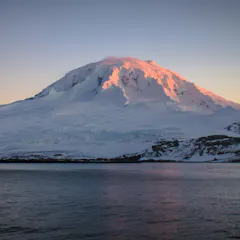
Scientists are uncovering the secrets of a giant undersea rock shelf, parts of which lie four kilometres below the ocean’s surface.
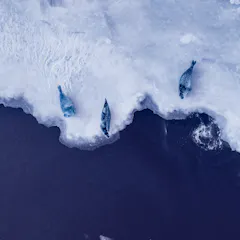
New research shows that warming by more than 2°C could be a tipping point for Antarctica’s ice sheets, resulting in widespread meltdown and changes to the world’s shorelines for centuries to come.
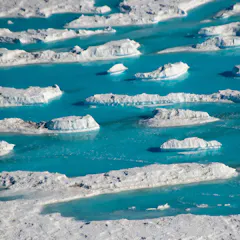
These lakes could threaten the future stability of parts of the Antarctic ice sheet.
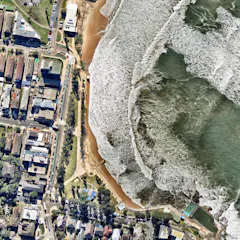
The IPCC report says extreme sea level events that used to hit once a century will occur once a year in many places by 2050. This situation is inevitable, even if emissions are dramatically curbed.
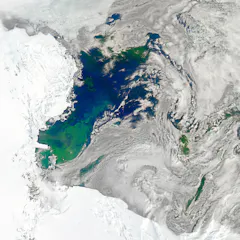
Each spring, winds circling the South Pole weaken. If they weaken enough, they can actually reverse – causing rapid warming.
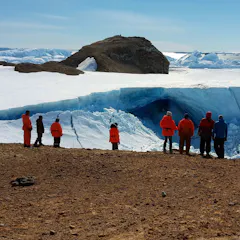
‘Dual use’ technology – technology used for both peaceful and military purposes – is allowed in Antarctica, according to the treaty.

New research shows that ocean and air temperatures both contributed to the melting of Antarctica’s Ross Ice Shelf in the past, but melting from below by a warming ocean became more important over time.
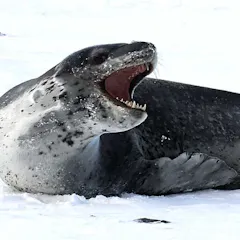
Cooperation or theft? New observations show wild leopard seals sharing food when targeting king penguins in Antarctica.
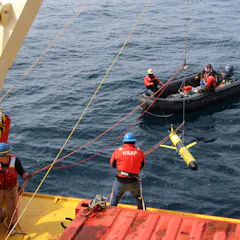
Sending autonomous vehicles to the Southern Ocean can be fraught with anxiety, especially if one of them doesn’t make radio contact when it’s supposed to.
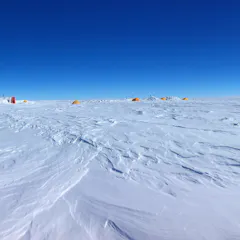
Some 58 metres of sea level rise is locked up in Antartica’s ice sheets, and it’s melting faster than expected.
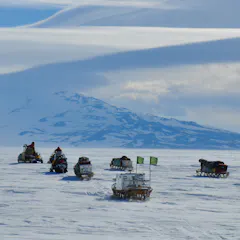
Parts of Antarctica’s largest ice shelf are melting ten times faster than the rest of the shelf, and solar heated waters below the ice are to blame.
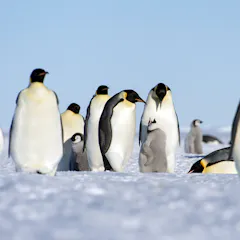
Emperor penguins have a few hidden tricks to stay warm, like blood vessels in the nose arranged so they can regain most of the heat that would be lost by breathing.

Sea levels could rise by two metres by 2100, sparking a refugee crisis unlike anything the world has ever seen.

A paleooceanographer describes her ninth sea expedition, this time retrieving cylindrical ‘cores’ of the sediment and rock that’s as much as two miles down at the ocean floor.
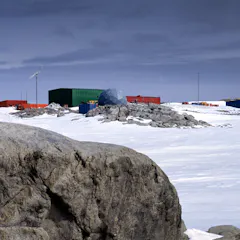
Buildings and human disturbance in Antartica is clustered in an ice-free zone that is essential to most of the continent’s biodiversity.
Top contributors
-

Adjunct Professor, Institute for Marine and Antarctic Studies, University of Tasmania
-
Professor of Antarctic Studies, School of Humanities, University of Tasmania
-
Pro Vice-Chancellor of Research, University of Technology Sydney
-
Director of the ARC Centre of Excellence for Our Future Oceans and Scientia Professor in Oceanography, UNSW
-
Professor of Astrophysics, UNSW
-
Adjunct Senior Lecturer, University of Tasmania
-
Professor in Ocean Physics, University of Auckland, Waipapa Taumata Rau; Earth Sciences New Zealand
-
Chief Scientist, Australian Antarctic Division and Professor of Climate Science, Australian National University
-
Assistant Professor of History, Texas Tech University
-
Senior lecturer, Institute for Marine and Antarctic Studies, University of Tasmania
-
Australian Laureate Fellow, Distinguished Professor, Deputy Director of ARC Securing Antarctica's Environmental Future (SAEF), University of Wollongong
-
Honorary Senior Fellow in Ecology, University of Wollongong
-
Professor of Polar Geodesy and ARC Laureate Fellow, University of Tasmania
-
Antarctic Law Researcher, Institute for Marine and Antarctic Studies and the Antarctic Climate and Ecosystems CRC, University of Tasmania
-
Director, Securing Antarctica's Environmental Future and Professor of Biological Sciences, Monash University