

Biosecurity policies may seem onerous and expensive – but they are working to prevent new species from pushing native species out in the Antarctic.
Articles on Antarctica
Displaying 61 - 80 of 417 articles
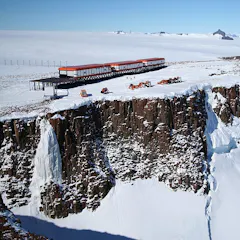
Recent allegations of violence at the SANAE IV Antarctic research base highlight the urgent need to improve safety in remote and extreme places.

The main focus of research in the Antarctic revolves around climate change.
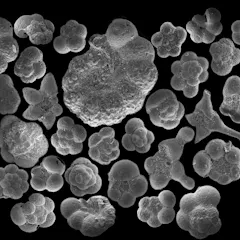
Foraminifera have lived almost everywhere in the ocean for millions of years. Their fossilised remains hold a record of Earth’s past.

New ancient DNA research on Adélie penguin poo in Antarctica shows how several species respond to environmental change over time, including southern elephant seals.

Part of the system that pumps water, heat and nutrients around the globe is at risk. Climate change could slow the Antarctic Circumpolar Current down 20% by 2050.
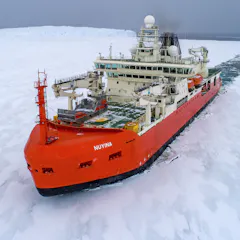
A parliamentary report has called on for a second icebreaking vessel and more reliable funding for Antarctic research.

The Antarctic ice sheet is nearly twice the area of Australia and holds enough freshwater to raise global sea levels by 58 metres.
Plastic debris in the sea hosts the plastisphere, a whole new microbial ecosystem.

The equivalent of four more years of global CO₂ emissions could soon be released into the atmosphere, exacerbating climate change.
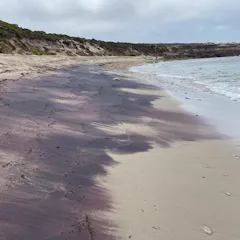
Geologist Sharmaine Verhaert explains her search for the origins of pink sand found on beaches near Adelaide on The Conversation Weekly.
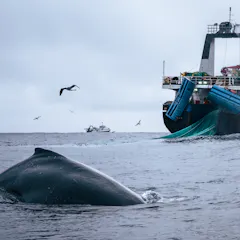
The Southern Ocean’s krill-rich waters attract multiple species of filter-feeding whales – and, increasingly, fishing boats.

New research shows how marine debris from continents across the southern hemisphere threatens Antarctica’s remote coastline and unique marine ecosystems. Foreign organisms might be hitching a ride.
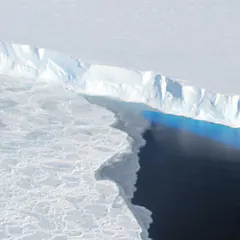
Antarctica’s riskiest glacier is a disaster in slow motion, a polar scientist writes. But in a rare bit of good news, the worst-case scenario may be off the table.
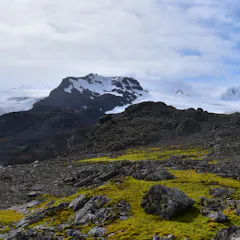
In the barren cold deserts of ice-free Antarctica only lichen, mosses and algae survive – for now.
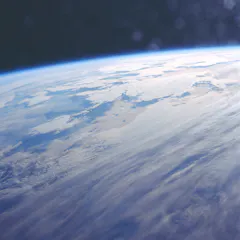
Something extraordinary is happening above Antarctica, and it might bring unusual weather to the southern hemisphere for months to come.
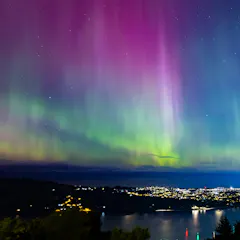
The southern lights have inspired artists for more then 200 years. Here are some of the best examples from across the decades.

The scientific and broader community must join together to advance Southern Ocean science and protect this vital natural asset.

In some of the most remote places on Earth, tags attached to seals collect data at the cutting edge of ocean science.
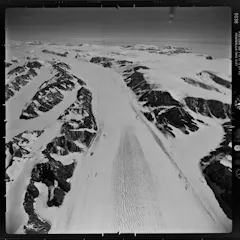
Few observations exist from before the 2002 Larsen B Ice Shelf collapse. We’ve now estimated how many billions of tons of glacier ice were lost – and what it means for the future.
Top contributors
-

Adjunct Professor, Institute for Marine and Antarctic Studies, University of Tasmania
-
Professor of Antarctic Studies, School of Humanities, University of Tasmania
-
Pro Vice-Chancellor of Research, University of Technology Sydney
-
Director of the ARC Centre of Excellence for Our Future Oceans and Scientia Professor in Oceanography, UNSW
-
Professor of Astrophysics, UNSW
-
Adjunct Senior Lecturer, University of Tasmania
-
Professor in Ocean Physics, University of Auckland, Waipapa Taumata Rau; Earth Sciences New Zealand
-
Chief Scientist, Australian Antarctic Division and Professor of Climate Science, Australian National University
-
Assistant Professor of History, Texas Tech University
-
Senior lecturer, Institute for Marine and Antarctic Studies, University of Tasmania
-
Australian Laureate Fellow, Distinguished Professor, Deputy Director of ARC Securing Antarctica's Environmental Future (SAEF), University of Wollongong
-
Honorary Senior Fellow in Ecology, University of Wollongong
-
Professor of Polar Geodesy and ARC Laureate Fellow, University of Tasmania
-
Antarctic Law Researcher, Institute for Marine and Antarctic Studies and the Antarctic Climate and Ecosystems CRC, University of Tasmania
-
Director, Securing Antarctica's Environmental Future and Professor of Biological Sciences, Monash University