
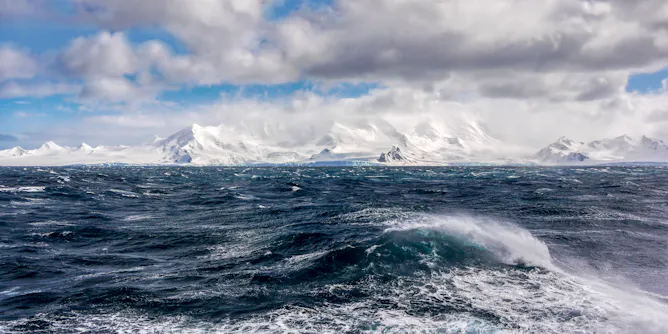
Howling winds take sea salt from the Southern Ocean and lay it down in Antarctica as snow, then ice. Hidden in these ice cores is a warning about Australian fire seasons.
Articles on Antarctica
Displaying 81 - 100 of 417 articles
Women play a critical role in fieldwork in the Arctic and Antarctica, but the vast majority of them report negative experiences while undertaking this research. Here’s how we can fix the problem.
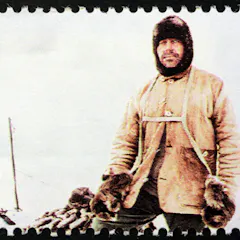
As in modern society, food, air quality and exercise were seen as key to good health – and the expedition’s success.

Migratory birds could bring the lethal bird flu variant that is assailing the rest of the world’s birds.

Iron-rich dust feeds phytoplankton. They are a key form of life in the Southern Ocean, which acts as a climate shock absorber.
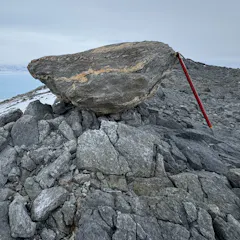
When landslides or glaciers bring rocks to the surface, cosmic rays bombard them, smashing common atoms into rarer forms and acting as a chronometer of the changing Earth.
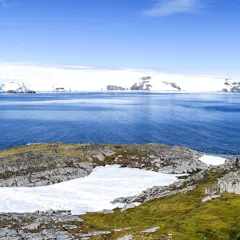
Four years of persistent ozone holes have sparked concern about what more UV is doing to Antarctic ecosystems.
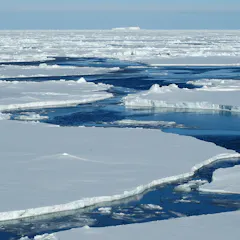
In 1898, a pioneering Antarctic expedition was stuck in sea ice for over a year. In 2024, that area is open water.
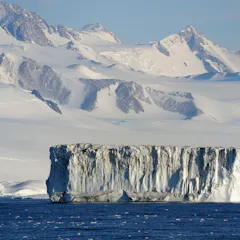
El Niño can direct more warm water to the base of West Antarctic ice shelves, accelerating melting and increasing global sea level.
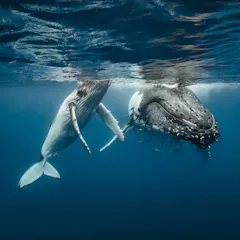
There’s so much we still don’t know about whales. Here’s 3 amazing new things we’ve learnt about whales lately: how humpback whales have sex and give birth – and how baleen whales sing underwater.
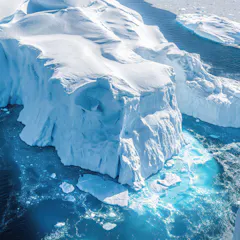
The sub-zero area of Antarctica has shrunk by over 100km since the 1950s.
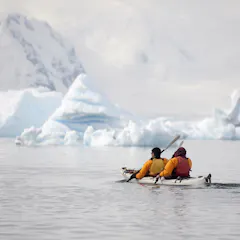
In our market-driven world, calculating the economic value of the environment can be a useful tool in garnering support for environmental protection.
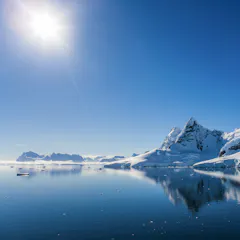
To narrow our predictions of global sea level rise, we need to know more about these sudden ‘non-linear’ changes to ice sheets.
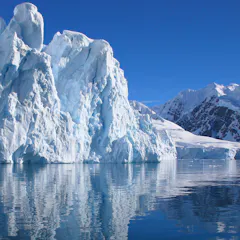
Five recent novels about the Antarctic make for cool reading on a hot summer day.
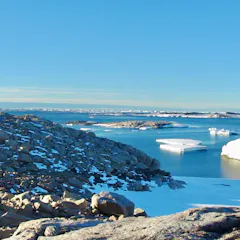
A heatwave in 2022 redefined scientific expectations of the Antarctic climate. Now the global community must prepare for what a warmer world may bring.

A deadly strain of bird flu is circulating in animals. So far the virus has been detected in seabirds on islands near Antarctica. What does this mean for wildlife, tourism and research?
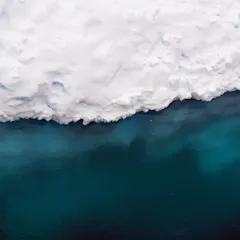
Did the enormous West Antarctic Ice Sheet collapse the last time global temperatures were 1.5°C above preindustrial levels? The answer lay in the DNA of an octopus.

Pine Island Glacier passed a tipping point decades ago, and it could do again in the future.
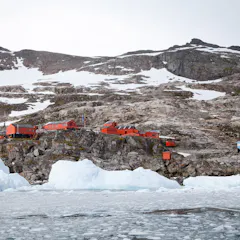
The proliferation of Antarctic research stations – 77 in all – is increasing knowledge of the continent but also the human impacts. A new study has identified the best ways to limit these impacts.
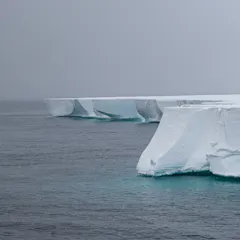
Seafloor sediments from beneath the Ross Ice Shelf represent an archive of warmer periods in Earth’s past. An ambitious international project aims to uncover what we can learn about our hotter future.
Top contributors
-

Adjunct Professor, Institute for Marine and Antarctic Studies, University of Tasmania
-
Professor of Antarctic Studies, School of Humanities, University of Tasmania
-
Pro Vice-Chancellor of Research, University of Technology Sydney
-
Director of the ARC Centre of Excellence for Our Future Oceans and Scientia Professor in Oceanography, UNSW
-
Professor of Astrophysics, UNSW
-
Adjunct Senior Lecturer, University of Tasmania
-
Professor in Ocean Physics, University of Auckland, Waipapa Taumata Rau; Earth Sciences New Zealand
-
Chief Scientist, Australian Antarctic Division and Professor of Climate Science, Australian National University
-
Assistant Professor of History, Texas Tech University
-
Senior lecturer, Institute for Marine and Antarctic Studies, University of Tasmania
-
Australian Laureate Fellow, Distinguished Professor, Deputy Director of ARC Securing Antarctica's Environmental Future (SAEF), University of Wollongong
-
Honorary Senior Fellow in Ecology, University of Wollongong
-
Professor of Polar Geodesy and ARC Laureate Fellow, University of Tasmania
-
Antarctic Law Researcher, Institute for Marine and Antarctic Studies and the Antarctic Climate and Ecosystems CRC, University of Tasmania
-
Director, Securing Antarctica's Environmental Future and Professor of Biological Sciences, Monash University