
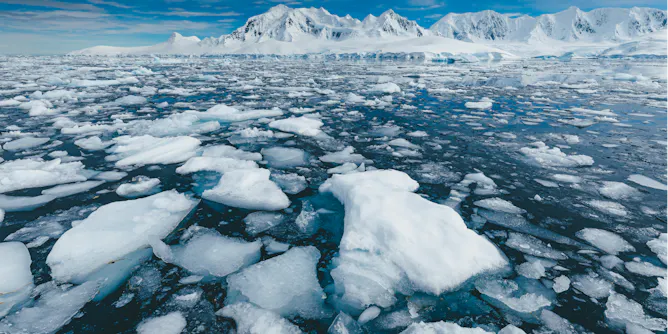
This remarkable seasonal change in Antarctic sea ice is like a heartbeat within our planet’s climate system. We need to better understand it.
Articles on Antarctica
Displaying 21 - 40 of 417 articles

There’s a greater need than ever to understand how climate change in Antarctica will have global consequences – but research if getting more difficult.
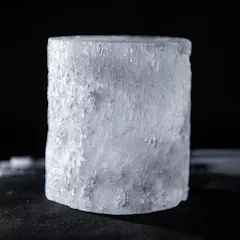
We can study the cosmos by tracing debris from exploding stars right here on Earth.

In the Antarctic, things may be unfolding faster than climate models predicted – new study.

New research shows tides influence how ocean heat is transported under Antarctica’s floating ice shelves, changing the energy available to melt the ice from below.
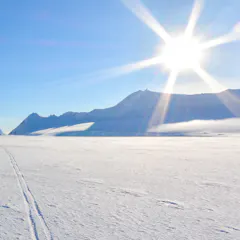
A new study highlights one of the largest temperature anomalies recorded anywhere, ever.
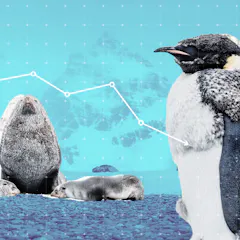
The loss of iconic Antarctic wildlife is no longer a future possibility. It is happening in real-time, while we watch.
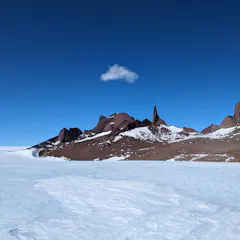
New study provides evidence that Antarctic microbes make energy from the air at temperatures as low as -20°C.

With the loss of sea ice, tiny filter feeders known as ‘salps’ can thrive, while shrimp-like krill lose out.
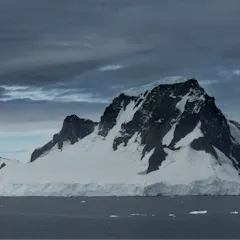
In the Antarctic Peninsula, precipitation is increasingly falling as rain rather than snow, with consequences for glaciers, penguins and even scientists.

A four-year record from the heart of the Ross Ice Shelf shows how subtle changes could shape future sea level rise, ocean ecosystems – and even our weather.
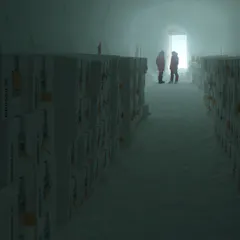
With an average temperature of -50°C, Antarctica’s first-ever 100% natural sanctuary protects endangered ice cores from global warming.
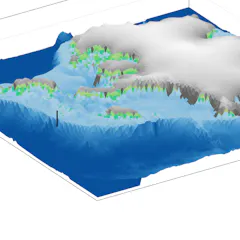
A picture of what West Antarctica looked like when its ice sheet melted in the past can offer insight into the continent’s future as the climate warms.
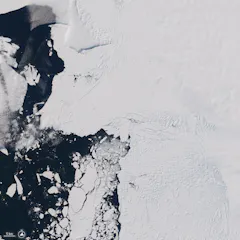
The seismic echoes of capsizing icebergs falling from Thwaites Glacier have been detected for the first time.
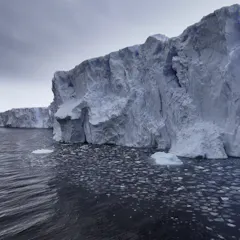
Our ocean float spent years adrift in the Antarctic ocean and beneath massive ice shelves. What it found will help us estimate global sea-level rise.

The moss beds in Antarctica are like miniature forests – they create their own climate.
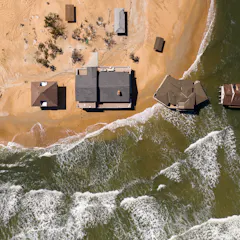
Understanding what happens to Antarctica’s ice matters, because as it melts, sea levels rise, affecting lives and economies around the world.
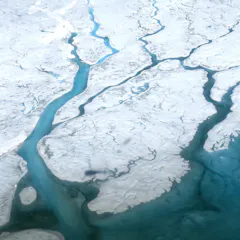
A report warns that coral reefs may have reached their tipping point, and ice sheets, ocean currents and the Amazon are at growing risk. But, what does that actually mean?
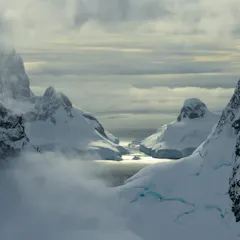
The stratospheric polar vortex high above Antarctica has rapidly heated up. These sudden bursts of heat can bring rapid weather changes in Australia
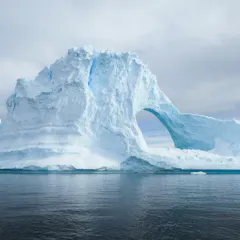
The plans could also unintentionally harm fragile polar ecosystems.
Top contributors
-

Adjunct Professor, Institute for Marine and Antarctic Studies, University of Tasmania
-
Professor of Antarctic Studies, School of Humanities, University of Tasmania
-
Pro Vice-Chancellor of Research, University of Technology Sydney
-
Director of the ARC Centre of Excellence for Our Future Oceans and Scientia Professor in Oceanography, UNSW
-
Professor of Astrophysics, UNSW
-
Adjunct Senior Lecturer, University of Tasmania
-
Professor in Ocean Physics, University of Auckland, Waipapa Taumata Rau; Earth Sciences New Zealand
-
Chief Scientist, Australian Antarctic Division and Professor of Climate Science, Australian National University
-
Assistant Professor of History, Texas Tech University
-
Senior lecturer, Institute for Marine and Antarctic Studies, University of Tasmania
-
Australian Laureate Fellow, Distinguished Professor, Deputy Director of ARC Securing Antarctica's Environmental Future (SAEF), University of Wollongong
-
Honorary Senior Fellow in Ecology, University of Wollongong
-
Professor of Polar Geodesy and ARC Laureate Fellow, University of Tasmania
-
Antarctic Law Researcher, Institute for Marine and Antarctic Studies and the Antarctic Climate and Ecosystems CRC, University of Tasmania
-
Director, Securing Antarctica's Environmental Future and Professor of Biological Sciences, Monash University