
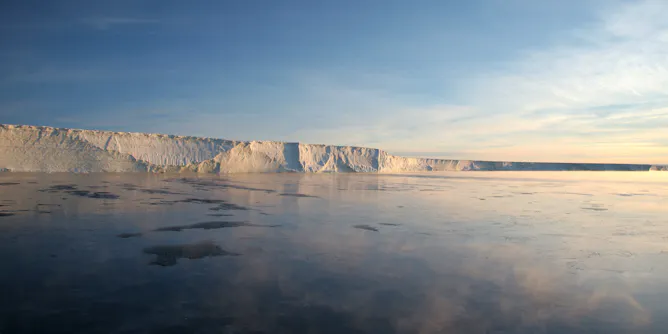
Climate scientist predict that the combined effect of ice loss in Greenland and Antarctica will be more extreme weather, with impacts on agriculture, infrastructure and human life itself.
Articles on Antarctica
Displaying 221 - 240 of 417 articles
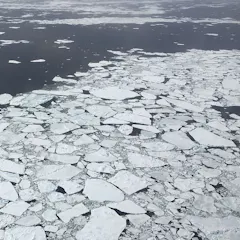
Antarctic sea ice cover fell to an all-time low recently and hasn’t yet recovered. Why? The initial answers could lie in an unlikely place – the tropics.
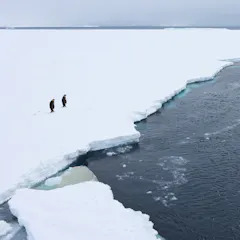
The Antarctic Circumpolar Current provides a barrier to heat that keeps warm subtropical waters away from Antarctica. Yet, there are a few places where the heat gets through.
Isolation at work can be unhealthy. But it can also be a good thing – as this researcher found out when he walked solo from Melbourne to Sydney.
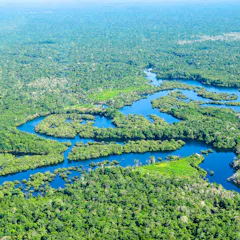
More than two-thirds of Earth’s remaining wilderness is in the hands of just five countries, according to a new global map. A concerted conservation effort is needed to save our last wild places.
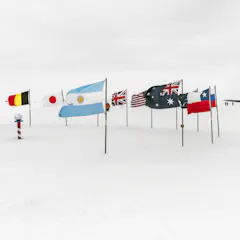
There are some limits on what countries can do in the Antarctic, but not when it comes to science.
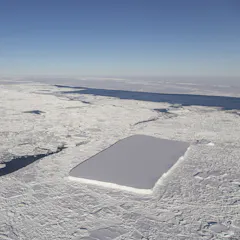
Geometric icebergs can form around Antarctica, although such a perfect rectangle is unusual.
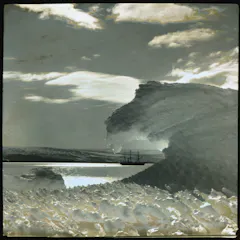
Sidney Jeffryes achieved a world first by establishing wireless contact between Antarctica and Australia. But his mental illness meant he gradually vanished from history - until now.

Mosses are the only plants that can withstand life in East Antarctica’s frozen landscape. But a new study shows that life is getting even harder, as ozone loss and climate change make conditions even drier.

Scientific research into the effects of climate change in Antarctica - and its history of intrepid exploration - is inspiring contemporary Australian composers.
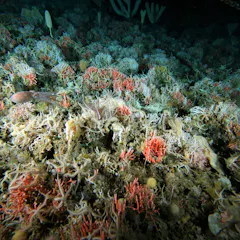
Life on the Antarctic seafloor is surprisingly diverse – and half of the species live nowhere else on Earth. Now scientists can accurately map this unique biodiversity.

For just ten years Antarctica was home to a nuclear power station called “Nukey Poo”.
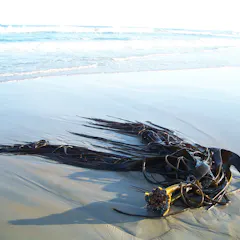
A chance discovery of some kelp that floated for 20,000km before washing up on an Antarctic beach has opened up a new chapter in our understanding of the currents that swirl around the Southern Ocean.

Preliminary results of a study have shown microplastics have reached in a newly revealed Antarctic environment.
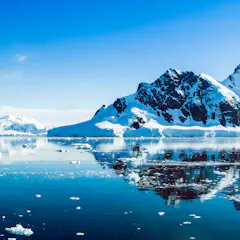
Under the terms of the current treaty all commercial mining is forbidden, but rumblings of discontent are stirring beneath the ice.
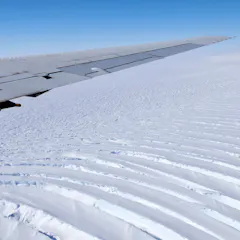
Scientists have found that the bedrock underneath the West Antarctica Ice Sheet has the potential to rebound in response to melting faster than thought, which could act to stabilize the ice.
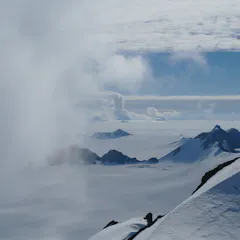
What will Antarctica look like in 2070? Will the icy wilderness we know today survive, or will it succumb to climate change and human pressure? Our choices over the coming decade will seal its fate.
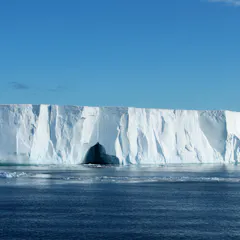
Since 1995, several ice shelves off the Antarctic Peninsula have abruptly disintegrated. A new analysis suggests that these events are triggered when ice shelves lose their buffer of floating ice.
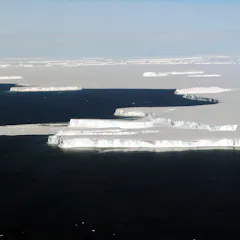
Last summer one of Antarctica’s floating ice shelves calved an iceberg the size of Delaware – but scientists say other less dramatic changes reveal more about how and why Antarctica is changing.
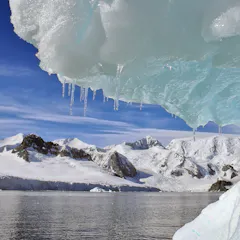
We used 11 different satellite missions to track Antarctica’s contribution to rising sea levels.
Top contributors
-

Adjunct Professor, Institute for Marine and Antarctic Studies, University of Tasmania
-
Professor of Antarctic Studies, School of Humanities, University of Tasmania
-
Pro Vice-Chancellor of Research, University of Technology Sydney
-
Director of the ARC Centre of Excellence for Our Future Oceans and Scientia Professor in Oceanography, UNSW
-
Professor of Astrophysics, UNSW
-
Adjunct Senior Lecturer, University of Tasmania
-
Professor in Ocean Physics, University of Auckland, Waipapa Taumata Rau; Earth Sciences New Zealand
-
Chief Scientist, Australian Antarctic Division and Professor of Climate Science, Australian National University
-
Assistant Professor of History, Texas Tech University
-
Senior lecturer, Institute for Marine and Antarctic Studies, University of Tasmania
-
Australian Laureate Fellow, Distinguished Professor, Deputy Director of ARC Securing Antarctica's Environmental Future (SAEF), University of Wollongong
-
Honorary Senior Fellow in Ecology, University of Wollongong
-
Professor of Polar Geodesy and ARC Laureate Fellow, University of Tasmania
-
Antarctic Law Researcher, Institute for Marine and Antarctic Studies and the Antarctic Climate and Ecosystems CRC, University of Tasmania
-
Director, Securing Antarctica's Environmental Future and Professor of Biological Sciences, Monash University