
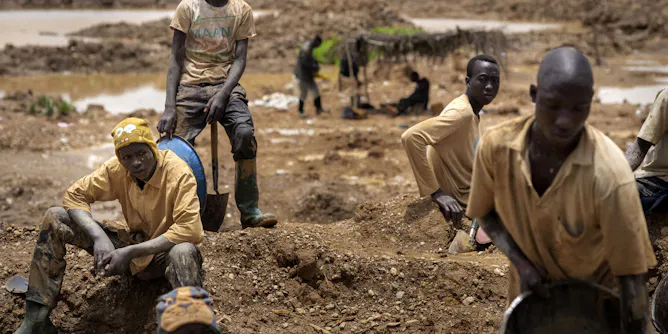
Several of Ghana’s water bodies and forests have been destroyed by illegal small-scale mining.
Articles on Agriculture + Land
Displaying 121 - 140 of 146 articles

South Africa’s rural Sekhukhune is full of interesting sites and heritage. Communities need financial and technical support to start sustainable tourism projects there.

Kenyans and Malawians are paying high prices for maize: regional markets aren’t working well.
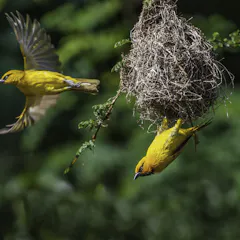
Africa is home to 20% of the world’s bird species, but land-use changes threaten their survival.
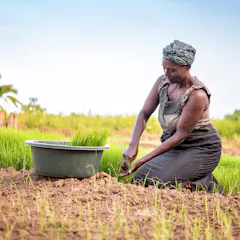
Despite being crucial to Sierra Leone’s agricultural sector, women lack access to land. The bora custom is making things worse.
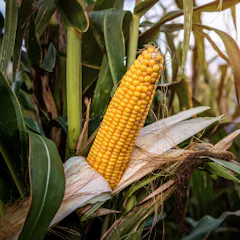
Hundreds of small-scale farmers in South Africa’s North West province who switched to eco-friendly, climate-smart farming have seen their maize harvest shoot up and their soil improve.
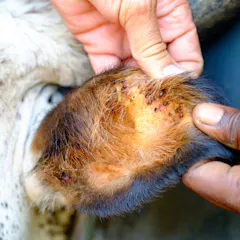
Ticks are becoming uncontrollable on South African cattle. They’ve developed resistance to the poisons that kill them. Government services must visit farms to give advice to stop this problem.
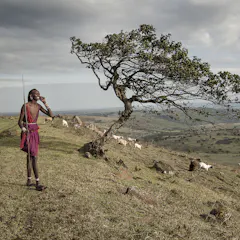
Pastoralist communities face barriers like poor infrastructure, illiteracy and government neglect.
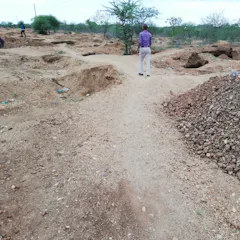
Smallholder farmers in Gwanda, rural Zimbabwe face droughts and rising temperatures from climate change. Their environment is also being damaged by artisanal gold miners, new research has found.
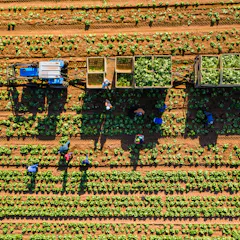
South Africa’s agricultural sector’s potential can only be realized if new government focusses on implementation of existing policies rather than coming up with new ones
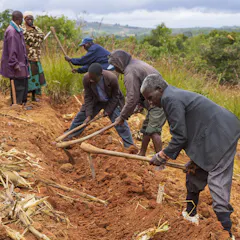
New research has found that smallholder farmers in Malawi can grow bigger maize crops if they plant maize with legumes in deep beds with natural ditches to catch water alongside.

Transitions to diversified farming systems in Africa will require financial support. But barriers can be overcome.

Sweet sorghum has multipurpose post-harvest uses. It can produce grains, animal feed and sugary juice, making it unique among crops.
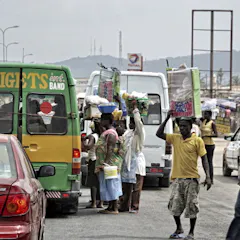
Walking is a common way of getting around in most African cities.

The South African government has failed to reverse the decline in smallholder farming that began during apartheid. A different approach is needed to support smallholder livelihoods.
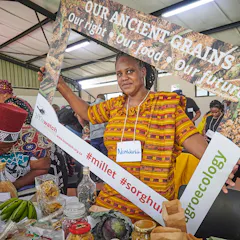
African governments must acknowledge the universal right to diverse and nutritious food if they are to end malnutrition. Five projects show how this can be done.

Through collaboration and resource sharing, smallholder rice farmers can enhance their productivity and achieve a fully mechanised farming system.
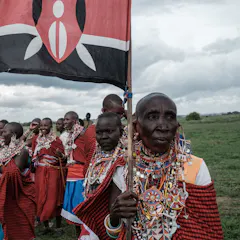
Conservation strategies should promote equitable benefits across communities.
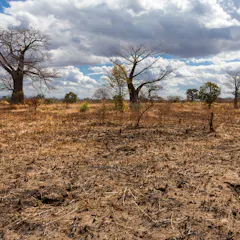
Governments in southern Africa don’t invest enough in weather forecasting and fail to work together to prepare for natural disasters, leaving the most vulnerable exposed to successive droughts.
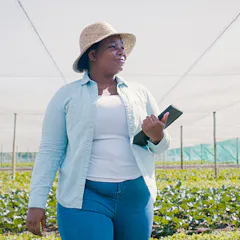
Almost 25% of all farmland previously owned by white landowners has been restored, redistributed to black South Africans, or moved away to state ownership.
Top contributors
-

Senior Fellow, Department of Agricultural Economics, Stellenbosch University
-
Professor of Climate Change, Food Systems and Health and Director of The Lancet Countdown in Africa, London School of Hygiene & Tropical Medicine
-
Senior Lecturer at Oyo State College of Agriculture and Technology, Igboora, Nigeria and Extraordinary Senior Lecturer at Indigenous Knowledge Systems Centre, North-West University, Mafikeng, South Africa, North-West University
-
Ass. Professor, University of Maryland Eastern Shore; North-West University
-
Lecturer, University of Fort Hare
-
Research Fellow, International Food Policy Research Institute (IFPRI)
-
Teaching Assistant Professor, University of Pittsburg and Visiting Associate Professor, The University of Osaka, University of Pittsburgh
-
Senior Research Fellow & Malawi Country Program Leader, International Food Policy Research Institute (IFPRI)
-
Research entomologist, Department of Conservation Ecology and Entomology, Stellenbosch University
-
Economist at the Centre for Competition, Regulation and Economic Development, University of Johannesburg
-
PhD Candidate, University of Memphis
-
Professor and DSTI/NRF SARChI Bio-economy Research Chair, University of Cape Town
-
Senior Researcher, Associate Professor: Economic Management Sciences, University of Pretoria
-
Senior Researcher, Agricultural Research Council - Animal Production, University of KwaZulu-Natal
-
Senior Researcher and Statistician, University of Hohenheim