
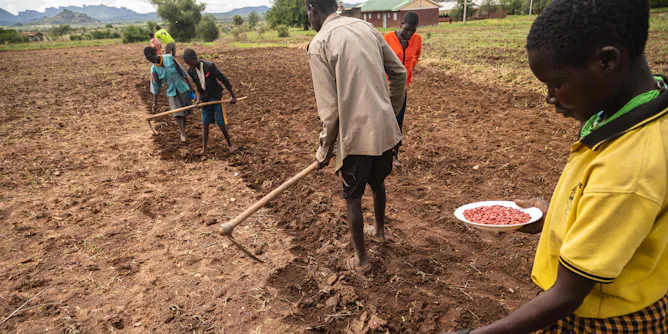
Figuring out how climate change will cause plant disease and pests to spread across Africa’s Great Lakes farms is critical for future food supplies.
Articles on Agriculture + Land
Displaying 41 - 60 of 146 articles
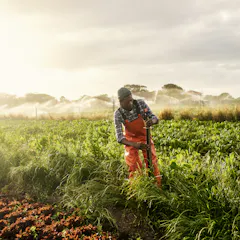
Thousands of hectares of communal land set aside for smallholder farmers’ use in South Africa are lying fallow because of collapsed government irrigation systems.
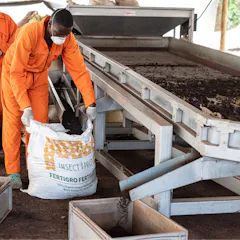
African food systems import 80% of the fertiliser they need. With Iran as a major producer, supplies are now limited and farming with less fertiliser is important.
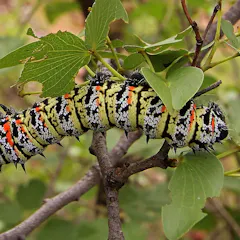
Mopane worms are an important source of food security and cash income for some rural households.
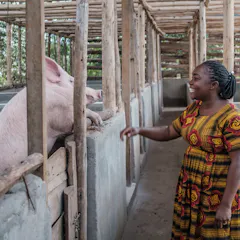
It’s possible to work with and change social norms about suitable work for women.
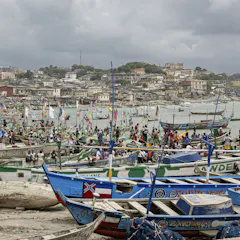
As ocean uses expand, it will be necessary to reduce disputes because they disrupt the environmental sustainability and equity central to a blue economy.
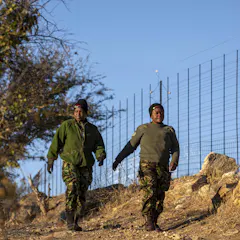
Nature reserve fences can protect wildlife and people, but they also break up natural landscapes, restrict animal movement, and affect nearby communities.
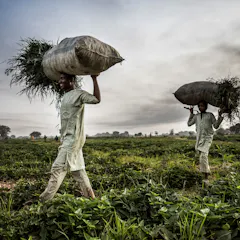
When conflict leads to abandoned fields, lost livestock, or altered investment decisions, it undermines food security and development.
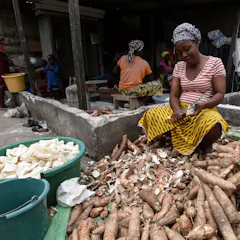
Cassava could thrive across more of Africa as the climate warms, but a deadly disease carried by whiteflies may spread faster, threatening the nutritious crop.
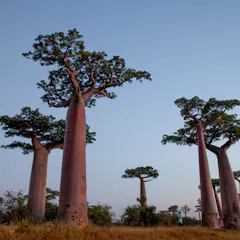
Madagascar’s protected area forests have 2.5km buffer zone forests surrounding them that also need urgent protection.
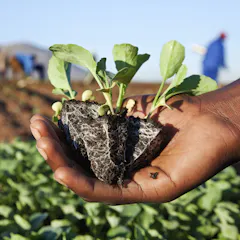
Women farmers in KwaZulu-Natal have had to abandon their fields because the government has failed to maintain irrigation systems built in the apartheid era.
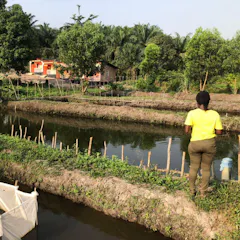
Wild fish sustain life in Sierra Leone’s fishing towns, but declining stocks mean fish farming is needed. However, fishing communities distrust farmed fish.
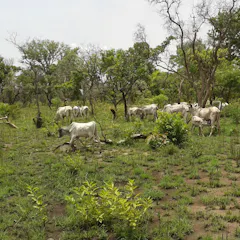
Benin’s smallholder dairy farmers need development finance to plant shady trees on the land where their cattle graze, to improve cattle health.
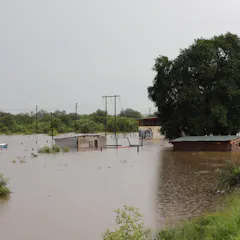
Severe floods hit parts of South Africa in January 2026, damaging roads and forcing evacuations.

Climate change is hitting Kenya’s coastal women and their small tourism businesses, but the loss of their way of life cuts as deeply as the economic damage.

Competition for shea trees is rising in west Africa, leaving the poorest women collectors with less access and fewer gains.
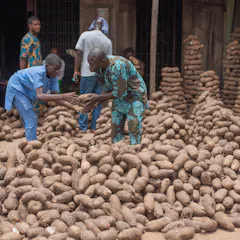
Climate change caused drought and flooding is damaging Nigeria’s staple foods, maize, cassava, millet and yam, smallholder farmers say.

South Africa needs to track whether beneficiaries of land reform policies are participating in the country’s thriving wildlife economy.
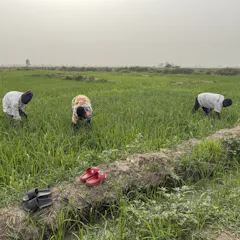
Climate-smart agricultural technologies increase crop sales revenue for farmers in the Sahel region.
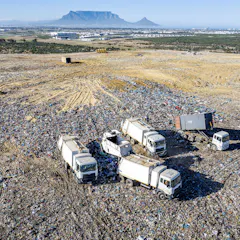
In South Africa, landfill practices impose a huge burden on the economy, environment and communities.
Top contributors
-

Senior Fellow, Department of Agricultural Economics, Stellenbosch University
-
Professor of Climate Change, Food Systems and Health and Director of The Lancet Countdown in Africa, London School of Hygiene & Tropical Medicine
-
Senior Lecturer at Oyo State College of Agriculture and Technology, Igboora, Nigeria and Extraordinary Senior Lecturer at Indigenous Knowledge Systems Centre, North-West University, Mafikeng, South Africa, North-West University
-
Ass. Professor, University of Maryland Eastern Shore; North-West University
-
Lecturer, University of Fort Hare
-
Research Fellow, International Food Policy Research Institute (IFPRI)
-
Teaching Assistant Professor, University of Pittsburg and Visiting Associate Professor, The University of Osaka, University of Pittsburgh
-
Senior Research Fellow & Malawi Country Program Leader, International Food Policy Research Institute (IFPRI)
-
Research entomologist, Department of Conservation Ecology and Entomology, Stellenbosch University
-
Economist at the Centre for Competition, Regulation and Economic Development, University of Johannesburg
-
PhD Candidate, University of Memphis
-
Professor and DSTI/NRF SARChI Bio-economy Research Chair, University of Cape Town
-
Senior Researcher, Associate Professor: Economic Management Sciences, University of Pretoria
-
Senior Researcher, Agricultural Research Council - Animal Production, University of KwaZulu-Natal
-
Senior Researcher and Statistician, University of Hohenheim