
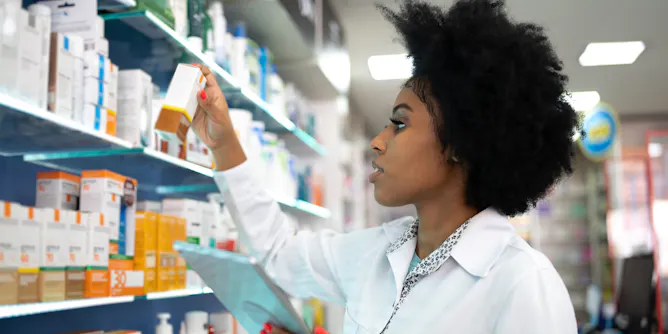
The shortages, which have been going on for years, have typically affected only low-cost generics rather than profitable brand-name drugs.
Articles on Supply chains
Displaying 141 - 160 of 360 articles

Russia’s move, which it followed by bombing the key port city of Odesa and threatening to attack any ship sailing for Ukraine, sent global food prices skyrocketing.
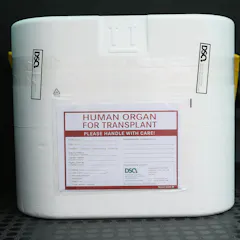
Demand for human organs has surpassed supply. This is leading to serious problems including a flourishing black market for organ trafficking.

So much international trade happens in dollars that it would be very difficult to turn the tide against the currency any time soon.
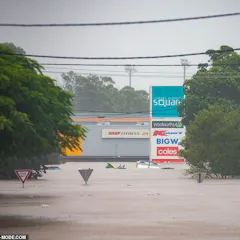
When the roads flooded around Lismore, it left supermarket shelves empty for months. Keeping everyone fed took a huge community effort. Now we need to make food supply secure.

There are many uses for digital systems that are not centrally controlled and that allow large numbers of people to participate securely, even if they don’t all know and trust each other.

We need a comprehensive code of conduct that ensures the long-term sustainability of the industry, while also protecting consumers in the event of future supply imbalances.
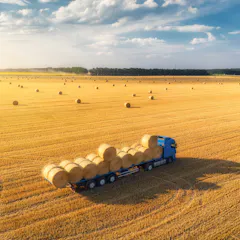
Change and communication across the food supply chain will help stop prices from rising further.

If we have learned anything from the fight against modern slavery, it is that addressing the issue takes extensive time, resources and long-term commitments.
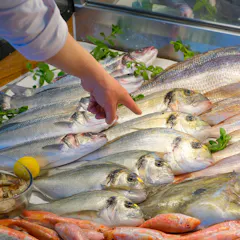
When you buy seafood, you can’t be sure it is what it says it is – and Australian wholesalers are resistant to new traceability technologies.
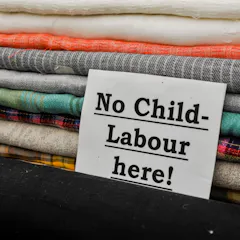
While it may be challenging for organizations to manage all the activities within their global supply chains, there are best practices they can adopt to prevent modern slavery.
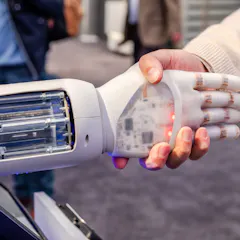
AI and 3D printing could transform the way we make things, but many companies have been slow to take advantage.
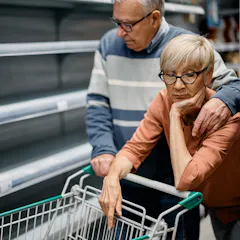
Food shortages have revealed weaknesses in UK supply chains.

The negative effects of conflict on human capital – particularly nutrition, health and education – are larger than commonly thought.

Stocking up responsibly could mean you are prepared for emergencies, save money – and help keep supply chains running.
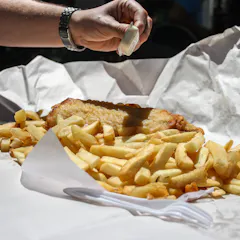
As with so many staples and foods in the past two years – lettuce, milk and eggs to name a few – the problem is a temporary imbalance between supply and demand. Here’s what’s happening with potatoes.
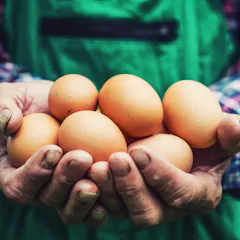
Research shows that food supply chains are unfair, but there are ways to make them more sustainable for all involved.

The incentives to bring manufacturing back to the US will affect productivity, but in ways that might be surprising.

Rapid increases in food prices due to inflation mean many Canadians may be making different food choices. Here are the possible short- and long-term effects of that, and some ways to save money.
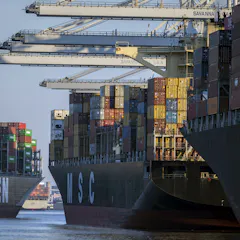
Companies around the world are rapidly reshoring factories, investing in new technologies and building their inventories – shifts that all mean higher costs for consumers.
Top contributors
-

Associate Dean, School of Business and Law, Edith Cowan University
-
Eugene M. Isenberg Chair in Integrative Studies, UMass Amherst
-
Professor of Health Service Operations, School of Pharmacy & Medical Sciences, University of Bradford
-
Deputy Director of the HUMLOG (Humanitarian Logistics and Supply Chain Management Research) Institute, Hanken School of Economics
-
Professor in Sustainable Production and Consumption, Anglia Ruskin University
-
Lecturer in Logistics, Technological University Dublin
-
Associate Professor in Operations and Supply Chain Management, UTS Business School, University of Technology Sydney
-
Assistant Professor of Operations Management, University of Manchester
-
Senior Lecturer in Operations and Supply Chain Management, Anglia Ruskin University
-
Professor of Logistics and Supply Chain Management, Heriot-Watt University
-
Associate Professor of Supply Chain & Analytics, University of Missouri-St. Louis
-
Associate Professor, University of Sydney Business School, University of Sydney
-
Distinguished Professor of Supply Chain Management, Northeastern University
-
Associate Professor, Supply Chain Analytics, University of Bradford
-
Professor of Accounting, University of Portsmouth