
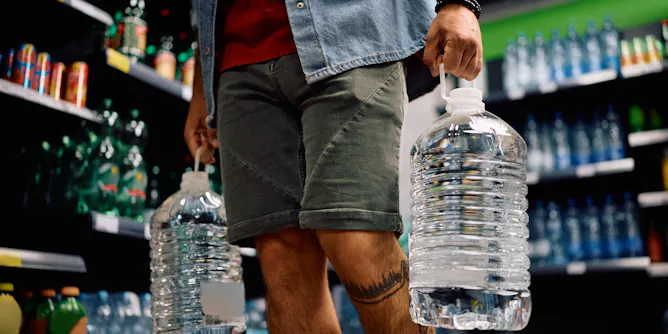
Empty shelves can raise fear. That fear changes how people shop.
Articles on Supermarkets
Displaying 1 - 20 of 233 articles
We don’t know how or when the next cyberattacks will occur. But we can prepare for unsafe water, damaged equipment, environmental harm and diminished public trust.
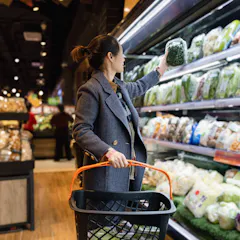
New research explores how trust, personal values and everyday habits influence people’s choices about organic food.
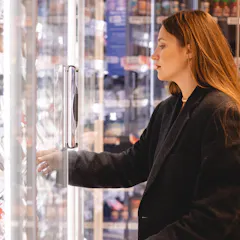
The attacks show that hackers are exploiting physical devices to spread new forms of disruption to daily life.
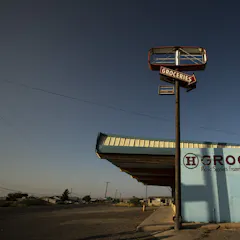
A food systems researcher shows how trucking deregulation and lax antitrust enforcement let big grocery chains grow as rural distribution thinned.
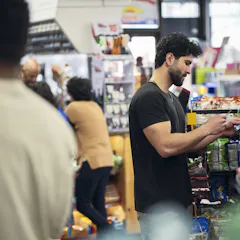
Stores in waiver states may need to update their checkout systems and train employees to prevent purchases that are no longer allowed with SNAP benefits – potentially a big burden for retailers.
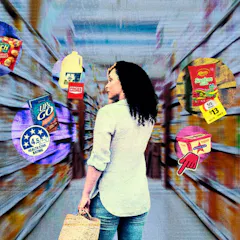
How does a $4 shop become $60 in groceries? The supermarket business model relies on you buying more than you want. Here’s how they do it.
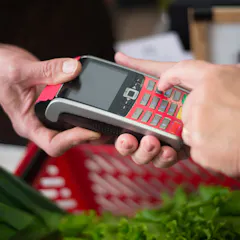
Inspired by New York, a Greens’ research thinktank is proposing a new national chain of public supermarkets. An economist explains the gaps in its $25 billion cost.
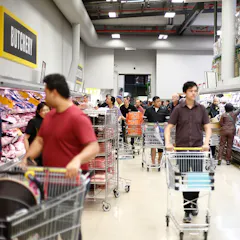
The election has produced competing prescriptions for NZ’s grocery market – each targets a different barrier to genuine competition.

Recent reports show Woolworths and Coles are managing to hold smaller competitors at bay – in part by adopting a strategy from their rival, Aldi.
Copyright can only protect the expression of an idea, not an idea, concept or style itself.
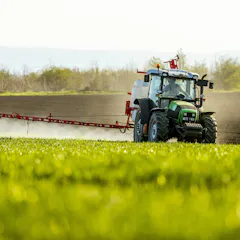
Compost, manure and food waste can be turned into biofertilisers made from natural materials.
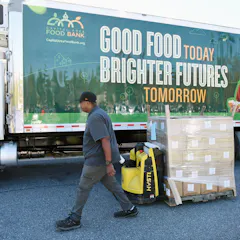
Picking up food more frequently from supermarkets doesn’t close the gap between what’s donated and could be donated, a supply chain scholar explains.
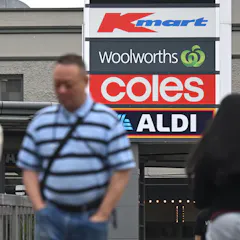
The new law targeting supermarket prices will be tough to apply. But it does put the big supermarkets on notice that their pricing practices are being watched.
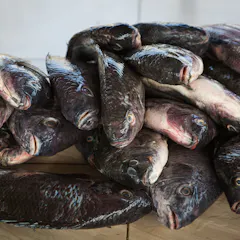
Navigating the benefits and risks of eating fish is a daily concern for consumers in Kenya due to persistent environmental pollution. How much are they influenced by nutritional labelling and guidelines?

Small stores, local produce and the return of the personal shopping assistant: supermarkets are starting to look like they did in the 1800s.
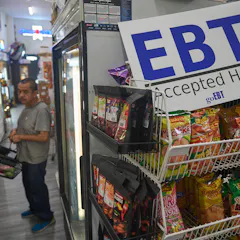
Many convenience stores, corner markets, bodegas and other small stores will have to make changes if they want to continue to accept SNAP benefits.
This court decision will have huge ripple effects right across Australian retail – and petrol retailers in particular should be on notice.
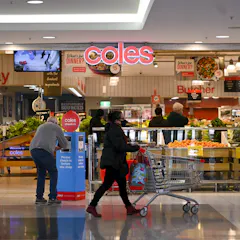
The Federal Court will have to decide whether Coles’ ‘Down Down’ discounts were genuine, or crossed a line into misleading conduct.
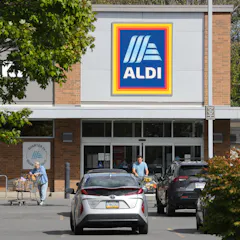
The grocer offers low prices and plans to build its own distribution center.
Top contributors
-

Professor of Marketing and Consumer Behaviour, Queensland University of Technology
-
Associate Dean, School of Business and Law, Edith Cowan University
-
Associate Professor of Marketing, Tasmanian School of Business and Economics, University of Tasmania
-
Professor of Economics, Monash University
-
Professor in Sustainable Production and Consumption, Anglia Ruskin University
-
Professor of Public Health, Deakin University
-
Professorial Fellow, University of Canberra
-
Emeritus Professor of Marketing, University of Birmingham
-
Professor of Public Health Policy, Deakin University
-
Associate Professor in Operations and Supply Chain Management, UTS Business School, University of Technology Sydney
-
PhD, Political Economy, Macquarie University
-
Retail Academic Researcher, Business School, University of Sydney
-
PhD Candidate, ARC Centre of Excellence for Automated Decision-Making and Society, RMIT University
-
Professor of Accounting, University of Portsmouth
-
Associate Professor, Supply Chain Analytics, University of Bradford