
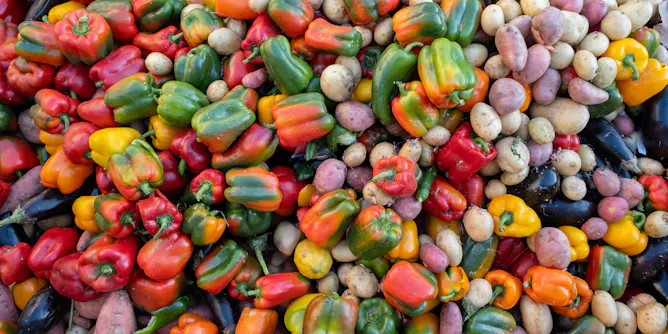
Wastage of edible food means lost calories, lost money and a growing climate problem.
Articles on Supply chains
Displaying 21 - 40 of 360 articles
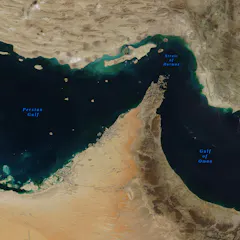
The world is too dependent on the Gulf states for energy and fertiliser.
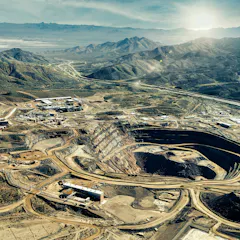
America was once the global leader in rare earth element production, but as processing moved to China, the US lost capacity and expertise. It can get them back.

Cost pressures can drive down quality.
Environmental impacts are often overlooked in supply chain debates. A new framework shows how businesses can respond more fairly and effectively.
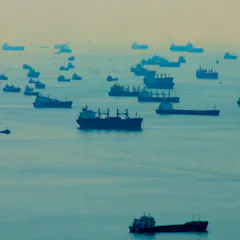
South-east Asia is becoming more explicitly tied into great-power competition, and the Strait of Malacca is at the centre of it.
Controlling supply chains puts a country in a very powerful position.
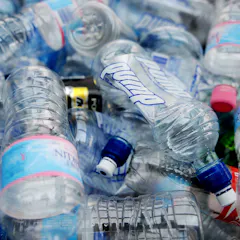
Just a tiny fraction of the plastic Australia uses each year gets recycled. This year’s oil shock could cause a rethink.
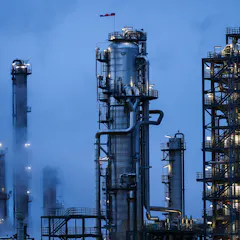
Even if the Iran war ends, the fallout from this oil shock is likely to persist for a long time. Here’s what the end of ‘cheap’ oil could mean for the world.
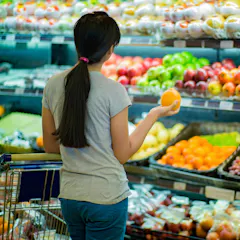
Rising oil and fertilizer costs linked to Middle East tensions could affect food prices, but the effects will vary across products and may take time to fully emerge.
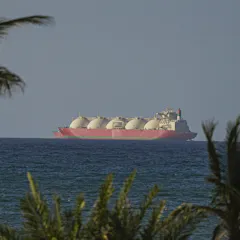
China stands to be impacted first, as the main buyer of Iran’s crude oil. But if the blockade drags on, its knock-on effects could impact the whole world.
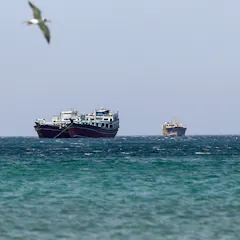
The ceasefire between the US, Israel and Iran has done little so far to getting shipping through the vital waterway. It’s going to take more than just words to fix.

US President Donald Trump has threatened to “demolish” Iran if it doesn’t reopen the crucial shipping channel, but it’s not the most likely path to reopening.

Here’s what’s in place to protect supplies in the short term, and the risks of long-term instability.

Cocoa’s price hit an all-time high in 2024, but has plummeted since. Why aren’t we seeing cheaper chocolates on our supermarket shelves yet?

US consumers, already feeling pain at the gas pump, can expect higher prices and prolonged shortages for goods of all sorts, including food, as additional consequences of slowed oil production.
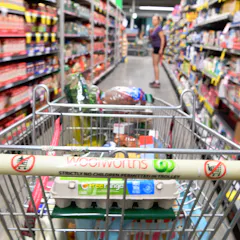
While stocking up on petrol or groceries ‘just in case’ feels sensible, it can quickly lead to shortages. But our individual choices can collectively help too.

If we want to keep our food supplies secure, understanding what farmers need in diesel supplies now – and in coming months – will be crucial.
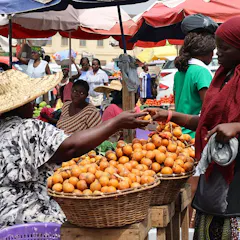
Supporting women in Ghana’s informal economy would strengthen local markets, reduce economic precarity and ensure more inclusive economic growth.
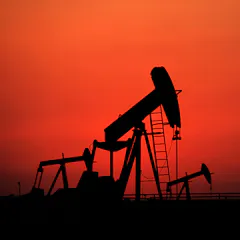
Petrochemicals derived from oil and fossil fuels underlie the production of many consumer goods − and many you wouldn’t know from looking at the final product.
Top contributors
-

Associate Dean, School of Business and Law, Edith Cowan University
-
Eugene M. Isenberg Chair in Integrative Studies, UMass Amherst
-
Professor of Health Service Operations, School of Pharmacy & Medical Sciences, University of Bradford
-
Deputy Director of the HUMLOG (Humanitarian Logistics and Supply Chain Management Research) Institute, Hanken School of Economics
-
Professor in Sustainable Production and Consumption, Anglia Ruskin University
-
Lecturer in Logistics, Technological University Dublin
-
Associate Professor in Operations and Supply Chain Management, UTS Business School, University of Technology Sydney
-
Assistant Professor of Operations Management, University of Manchester
-
Senior Lecturer in Operations and Supply Chain Management, Anglia Ruskin University
-
Professor of Logistics and Supply Chain Management, Heriot-Watt University
-
Associate Professor of Supply Chain & Analytics, University of Missouri-St. Louis
-
Associate Professor, University of Sydney Business School, University of Sydney
-
Distinguished Professor of Supply Chain Management, Northeastern University
-
Associate Professor, Supply Chain Analytics, University of Bradford
-
Professor of Accounting, University of Portsmouth