
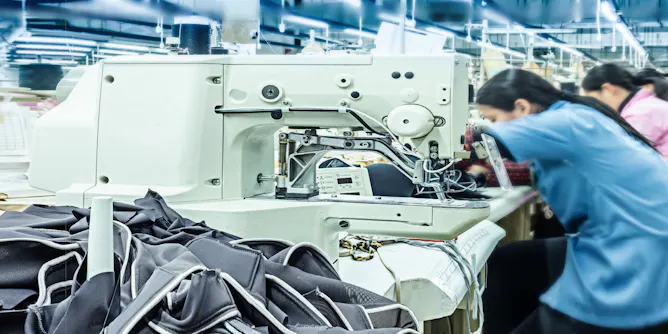
COVID-19 has been disastrous for people who make our clothes, but there are small signs of hope.
Articles on Supply chains
Displaying 281 - 300 of 360 articles
Tumbling global trade with China proves no country or sector is an island.
Food is essential to survival. It is also essential to identity. During times of national crisis like the coronavirus pandemic and in the historical landscape, food issues become prominent.
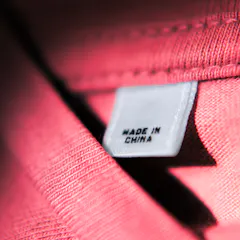
New research shows much of the information the apparel industry relies on to ensure factories comply with labor and safety laws is falsified or otherwise unreliable.
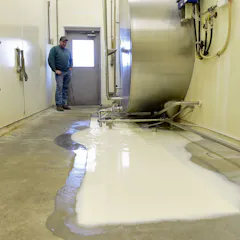
It’s not as easy as you might think to divert food intended for schools and restaurants and send it to grocery stores or even food banks.
Incarcerated Americans have been tasked with washing hospital laundry, manufacturing protective equipment, disinfecting cleaning supplies and digging mass graves.

Responsible leadership from the private sector is needed more than ever.

Bulk buying disrupts the balance of the supply chain. Here’s how supply chains combat hoarding of products like toilet paper.
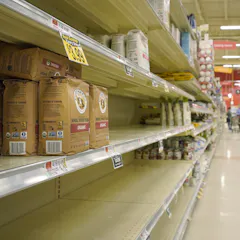
Modern supply chains have become increasingly efficient, but as a result are more susceptible to disruptions like the one caused by the coronavirus pandemic.

Starting to feel a little more optimistic? Look away now.

The US is gradually shifting to lower-carbon energy sources, but the COVID-19 pandemic, an oil price crash and a likely recession are big speed bumps.

Much of the world is moving online in response to the coronavirus pandemic. Society’s newly increased dependence on the internet is bringing the need for good cyber policy into sharp relief.
By shopping responsibly and thinking of others, consumers will play a big part in ensuring everyone can buy what they need.
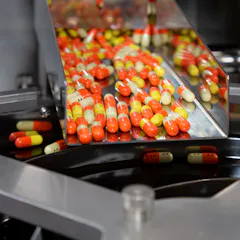
Drug shortages occur regularly in the US, even in the best of times. The pharmaceutical supply chain embodies ‘just in time’ shipping and has little built-in redundancy.
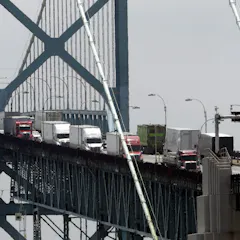
Canada and the United States have opted to keep its border open to commercial trucking during the coronavirus pandemic. The decision is important to the economies of both countries.

Artificial Intelligence, 3D printing and blockchain can make supply chains more resilient - but only if we (and they) collaborate.

An economist explains how a virus like COVID-19 could disrupt the US economy – and why it’s too soon to freak out just yet.

As the human costs of the Covid-19 virus epidemic continue to rise, the virus is also taking its toll on global economy, with disrupted supply chains across a wide variety of industries.
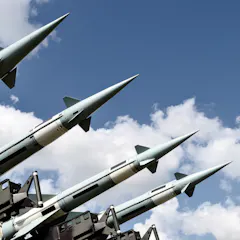
The US could only safely use a fraction of its nuclear stockpile without harming Americans through an environmental event called ‘nuclear autumn.’
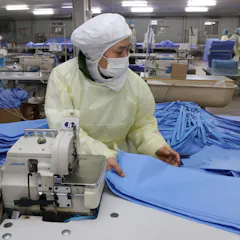
Thousands of Chinese producers are at risk of going bust as a result of the outbreak.
Top contributors
-

Associate Dean, School of Business and Law, Edith Cowan University
-
Eugene M. Isenberg Chair in Integrative Studies, UMass Amherst
-
Professor of Health Service Operations, School of Pharmacy & Medical Sciences, University of Bradford
-
Deputy Director of the HUMLOG (Humanitarian Logistics and Supply Chain Management Research) Institute, Hanken School of Economics
-
Professor in Sustainable Production and Consumption, Anglia Ruskin University
-
Lecturer in Logistics, Technological University Dublin
-
Associate Professor in Operations and Supply Chain Management, UTS Business School, University of Technology Sydney
-
Assistant Professor of Operations Management, University of Manchester
-
Senior Lecturer in Operations and Supply Chain Management, Anglia Ruskin University
-
Professor of Logistics and Supply Chain Management, Heriot-Watt University
-
Associate Professor of Supply Chain & Analytics, University of Missouri-St. Louis
-
Associate Professor, University of Sydney Business School, University of Sydney
-
Distinguished Professor of Supply Chain Management, Northeastern University
-
Associate Professor, Supply Chain Analytics, University of Bradford
-
Professor of Accounting, University of Portsmouth