
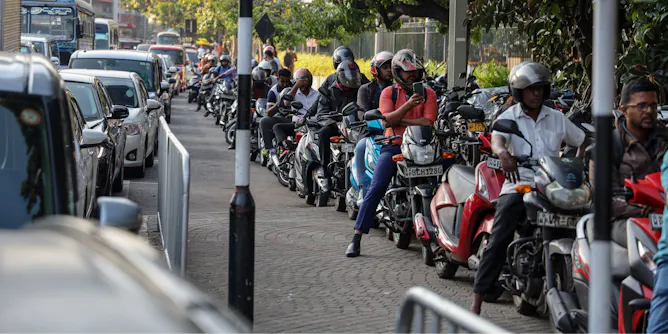
The current energy market disruption has exposed structural vulnerabilities in Asia’s energy systems.
Articles on Strait of Hormuz
Displaying 101 - 120 of 170 articles
Even in more peaceful times, oil is considered to be one of the world’s most volatile commodities.
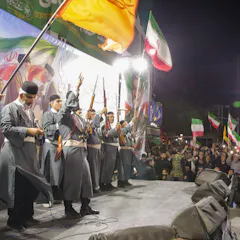
Both sides are claiming success, but it may be Tehran that benefits more from the deal.
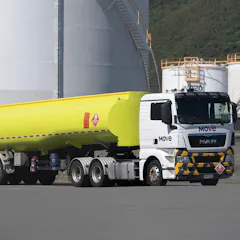
Promoting fuel saving measures as vital to energy security would help frame the oil shock as a technical problem to be solved, not a political issue to be fought.
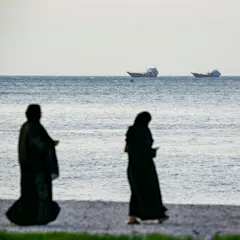
US President Donald Trump has threatened to “demolish” Iran if it doesn’t reopen the crucial shipping channel, but it’s not the most likely path to reopening.

Fertilizer is more expensive and in shorter supply. Without the right amounts of fertilizer at specific times, yields drop, food prices increase and food shortages result.
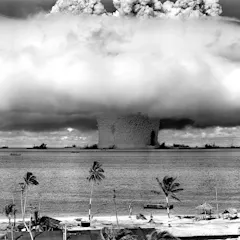
For decades, the US seriously pursued the idea of ‘peaceful nuclear explosions.’

Helium, a critical material, could be in short-supply due to Qatar’s suspension of gas production.

Wars that define eras are remembered not just for how they are fought, but for what follows. For Canada, the end of the Iran war will be a chance to lead with clarity, consistency and purpose.

In normal times, as much as 14% of global maritime trade goes through the Bab el-Mandeb Strait. Disruption would be felt around the world.

The Iranian government uses the threat of sea mines to control access to the Strait of Hormuz, a narrow sea lane that is vital to the global economy.

Countries don’t just switch from fossil fuels to renewable energy sources. Each takes its own path, depending on its economy, international trade relations and government stability.
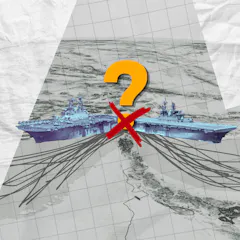
There are 4 reasons why the US may be reluctant to risk such a massive operation.

Over neatly five decades, Tehran has threatened to close the waterway whenever faced with an international crisis.
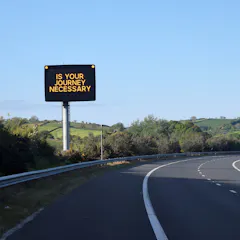
The world could be facing an unprecedented energy shock if oil supplies remain choked.
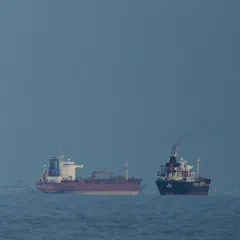
Iran has used its ability to close the waterway many times over the past 40 years.

US consumers, already feeling pain at the gas pump, can expect higher prices and prolonged shortages for goods of all sorts, including food, as additional consequences of slowed oil production.
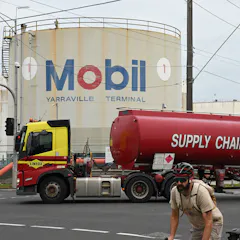
It’s highly unlikely Australia will end up with no diesel. But if what is available becomes extremely expensive, the whole economy – and all of us – will feel it.
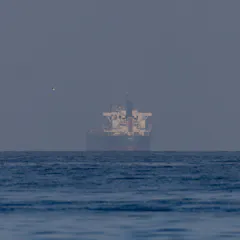
The government must weigh complex moral, legal and political questions before committing to any military involvement in defending the Strait of Hormuz.
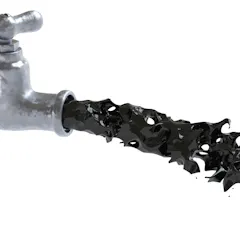
Nations’ stores of petroleum can dampen price shocks in the short term, but as reserve supplies dwindle, economic pain may continue.
Top contributors
-

Professor in International Politics, City St George's, University of London
-
Honorary Research Fellow, Department of International Politics, City St George's, University of London
-
Lecturer in Energy Systems, University of Oxford
-
Adjunct Professor, Defence and Security Institute, The University of Western Australia; UNSW
-
Professorial Fellow, University of Canberra
-
Associate Professor in International Politics, UCL
-
Fellow for the Middle East at the Baker Institute, Rice University
-
Executive Co-Director, Institute for Water, Environment and Health (UNU-INWEH), United Nations University; Technical University of Hamburg
-
Associate Professor in International Relations, UNSW
-
Assistant Professor of International Relations, American University
-
Professor in Global Thought and Comparative Philosophies, Inaugural Co-Director of Centre for AI Futures, SOAS, University of London
-
Assistant Professor in Circular Supply Chains, University of Bradford
-
Lecturer in Sustainable Freight Transport and Logistics, University of Leeds
-
Associate Professor in Operations and Supply Chain Management, UTS Business School, University of Technology Sydney
-
Lecturer, Department of War Studies, King's College London