
The trade war is likely to lead to more energy-intensive goods produced in the US, and dampen international investment in renewable energy.
Articles on Renewable energy
Displaying 181 - 200 of 1566 articles
The energy return on investment for wind and solar technologies in New Zealand is becoming comparable to hydropower.
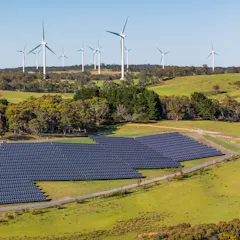
Solar and wind farms make power very cheaply. But power bills are still climbing because we underestimated other costs, from transmission to storage.
Research reveals most of the sites the Coalition has earmarked for nuclear power plants would be suitable for pumped hydropower plants.

‘Zonal pricing’ would not address price distortions caused by gas.
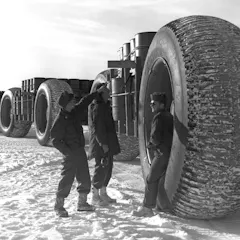
During the Cold War, the US poured support into Arctic military outposts and climate research amid fears of a Russian invasion. Climate change is still on the military’s radar as a threat multiplier.

A recent Canadian innovation that uses aluminum as a fuel could provide new opportunities for growth and diversification away from the U.S.

With the Trump administration prioritizing fossil fuels, cities and states will have to lead the way on clean energy.
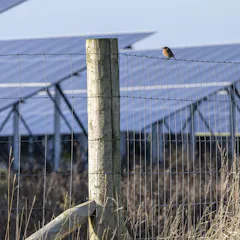
A survey of solar farms in southern England revealed surprisingly rich habitat for birds.
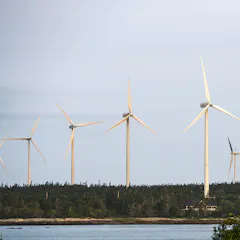
Aqueous redox flow batteries may be able to store and release renewable energy for decades.
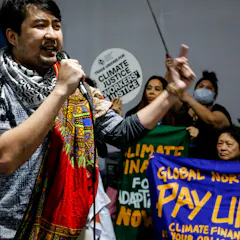
Reducing emissions, removing greenhouse gases, repairing ecosystems and building resilience are the four R’s that can save the planet.
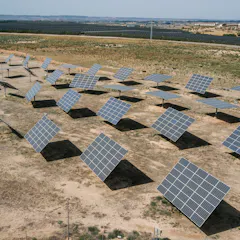
Rural areas in the EU have untapped potential for solar, wind and hydropower energy production. Community engagement can help lessen resistance to new sites.

Refugees have launched shops, mobile phone charging stations – even cinemas.
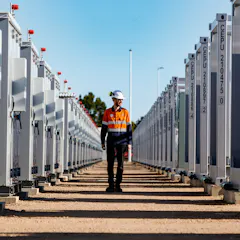
Everyone knows the sun doesn’t shine at night. That’s where firming technologies help, by stabilising the grid and storing cheap power for later
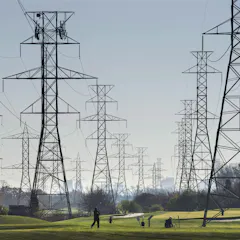
The Ontario government’s new policy directive to allow bids from natural gas and nuclear energy may hinder the province’s ability to transition to a cleaner and more sustainable energy future.

Discovering new materials could drive forward areas such as green technology and advanced electronics.
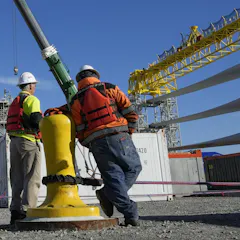
Offshore wind power brings more than local, clean energy. It provides jobs, encourages innovation and boosts economic growth as supply chains develop.

Evidence suggests burning more coal and gas will damage many industries. So why are food distributors lobbying for more fossil fuels?

Despite the challenges a second Trump administration will bring, Canada can continue to address climate change by working with sub-national leadership in the U.S.
Achieving net-zero emissions by 2050 is humanity’s only hope of achieving climate security. It’s time to think deeply about our chances of getting there.
Top contributors
-

Professor of Engineering, Australian National University
-
Professorial Fellow, University of Canberra
-
Senior Research Associate, Renewable Energy & Energy Systems Analyst, UNSW
-
Senior Fellow in Energy and Climate Change, Grattan Institute
-
Professor, Crawford School of Public Policy and Director, Centre for Climate and Energy Policy, Australian National University
-
Professor Emeritus, Macquarie Business School, Macquarie University
-
Professor of Physics, University of Johannesburg
-
Senior Industry Fellow, Environment and Planning, RMIT University
-
Honorary Associate Professor, UNSW
-
Associate Professor, Renewable Energy, Monash University
-
Professor, School of Economics, The University of Queensland
-
Professor and Director, Victoria Energy Policy Centre, Victoria University
-
Honorary Associate Professor, Centre for Climate Economics and Policy, Australian National University
-
Research Principal, Institute for Sustainable Futures, University of Technology Sydney
-
Associate Professor of Economics, Griffith University