
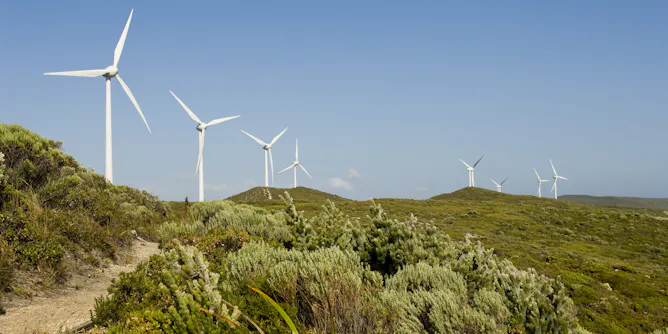
Solar and batteries are powering ahead – but wind farms are struggling. There are multiple reasons for this, from politics to construction costs.
Articles on Renewable energy
Displaying 1 - 20 of 1552 articles
AI can be used to predict microalgal growth, monitor cultivation and, in some cases, control operating conditions.
As ageing coal plants head for retirement, authorities are turning to a century-old technology to stabilise the grid.
As Britain builds more renewable energy, it will need to get better at encouraging people to use electricity when it’s plentiful.
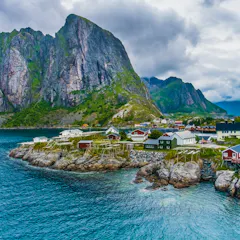
These mobile power systems could be a lifeline for remote, island and disaster-prone places.
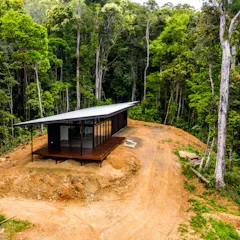
People who have extra funds, suitable homes and a desire to be self-sufficient may consider disconnecting from the grid.
The decisions we make today will shape Australia’s future for decades.
Global warming is set to surpass the 1.5°C limit if governments worldwide fail to act.
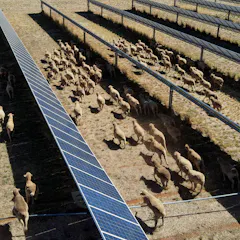
Self-reliance is important for many Australian farmers. But could farms ever become self-reliant in energy?
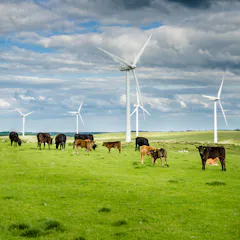
Regional communities often don’t oppose renewables, but want a say in where they go and who foots the bill.

The federal government has softened its initial renewables-only stance.
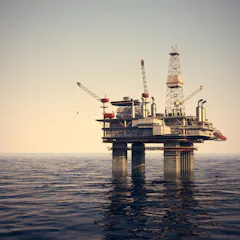
Green hydrogen production is, in effect, a way of bottling renewable energy.
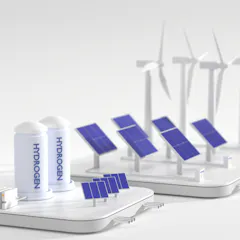
Hydrogen makes it possible to store renewable energy for longer – but has its limitations.
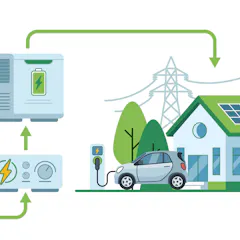
The EU’s new electrification plan aims to slash reliance on fossil fuels by doubling the number of heat pumps by 2030.
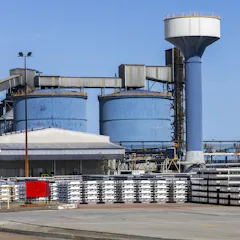
The government’s approach to saving Tomago offers a blueprint for other interventions to future-proof industry, such as at Whyalla.

Home batteries and rooftop solar have become enormously popular. But while powerful, these technologies won’t let us get rid of the grid.
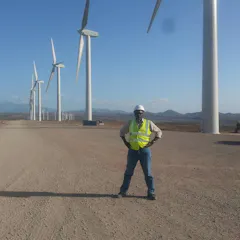
In South Africa and Kenya, some green energy projects have deprived local communities of land and livelihoods instead of sharing the benefits.
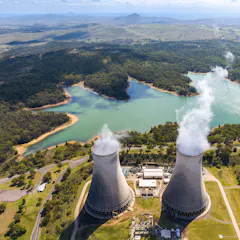
The battery boom is accelerating Australia’s shift away from gas.
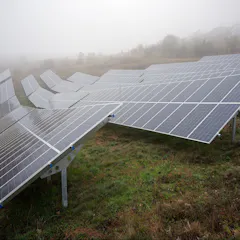
Solar energy is associated with intermittency issues, as it only generates electricity when the sun shines. Certain PV systems can provide cost-effective power reserves for storing electricity.

Gender-based violence responses must include energy access as a structural intervention, not an add-on.
Top contributors
-

Professor of Engineering, Australian National University
-
Professorial Fellow, University of Canberra
-
Senior Research Associate, Renewable Energy & Energy Systems Analyst, UNSW
-
Senior Fellow in Energy and Climate Change, Grattan Institute
-
Professor, Crawford School of Public Policy and Director, Centre for Climate and Energy Policy, Australian National University
-
Professor Emeritus, Macquarie Business School, Macquarie University
-
Professor of Physics, University of Johannesburg
-
Senior Industry Fellow, Environment and Planning, RMIT University
-
Honorary Associate Professor, UNSW
-
Assoc Prof. Renewable Energy, Monash University
-
Professor, School of Economics, The University of Queensland
-
Professor and Director, Victoria Energy Policy Centre, Victoria University
-
Honorary Associate Professor, Centre for Climate Economics and Policy, Australian National University
-
Research Principal, Institute for Sustainable Futures, University of Technology Sydney
-
Associate Professor of Economics, Griffith University