

A recent report into the federal government’s Cheaper Home Batteries Program found major problems with safety and compliance.
Articles on Renewable energy
Displaying 61 - 80 of 1566 articles

The oil shocks of the 1970s spurred marine energy innovation. Fifty years on, New Zealand still has vast untapped ocean power waiting to be harnessed.

New research highlights hotspots where the tides are strong and the water is shallow.
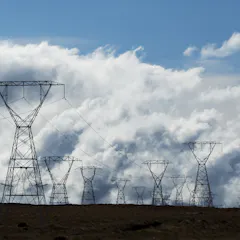
Two new fast-track energy projects offer very different paths: one tied to volatile fossil fuels, the other to a more sustainable, renewable future.
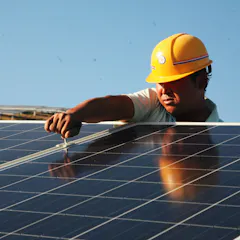
Australia has built millions of mini power stations on detached homes. The next challenge is ensuring people in apartments, units and townhouses can benefit too.

Countries don’t just switch from fossil fuels to renewable energy sources. Each takes its own path, depending on its economy, international trade relations and government stability.

New Zealand’s electricity generation now accounts for only 5% of emissions, but oil use in transport is on the rise, outweighing the shift to electric vehicles.
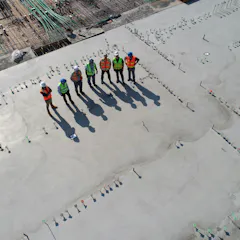
Essential infrastructure should serve local communities, not just the market.
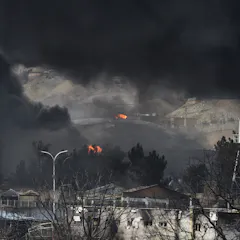
Every war, trade war and pandemic makes the case for renewables stronger.
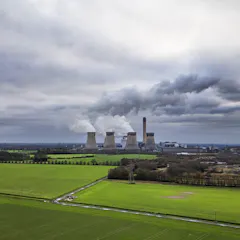
Net zero isn’t just about renewables. Decoupling shows how smarter energy systems, efficiency, and technology let economies grow while cutting emissions.

Enthusiasm for climate leadership is backsliding beyond the US government, but there are some signs of hope.

The next big innovations will centre on energy efficiency.
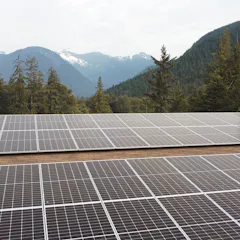
Indigenous-owned renewable energy projects are growing quickly in Canada. New research suggests they could enable widespread acceptance of energy transitions.
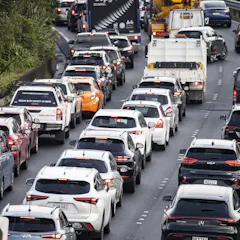
New Zealand generates more than 85% of its electricity from renewable sources, but transport remains almost entirely chained to imported oil.
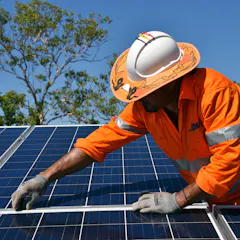
As fuel prices rise, some remote communities feel the shock twice: first at the pump and then in the power supply.
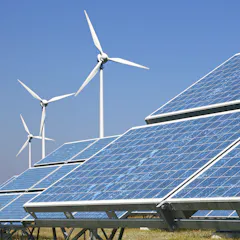
New Zealand could meet its electricity needs through renewables and avoid power shortages during dry years by combining battery systems with pumped hydro schemes.

Despite large pledges, Indonesia’s US$20 billion JETP has delivered little. Research shows funds are diverted to feasibility studies and donor interests rather than local green energy projects.

This conflict exposes the fragility of the global fossil fuel economy and how renewables create resilience.
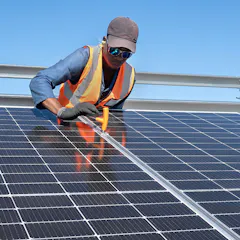
A just transition to a green economy with broad growth in employment will require deliberate efforts.

Oil isn’t a normal commodity – it shapes politics around the world.
Top contributors
-

Professor of Engineering, Australian National University
-
Professorial Fellow, University of Canberra
-
Senior Research Associate, Renewable Energy & Energy Systems Analyst, UNSW
-
Senior Fellow in Energy and Climate Change, Grattan Institute
-
Professor, Crawford School of Public Policy and Director, Centre for Climate and Energy Policy, Australian National University
-
Professor Emeritus, Macquarie Business School, Macquarie University
-
Professor of Physics, University of Johannesburg
-
Senior Industry Fellow, Environment and Planning, RMIT University
-
Honorary Associate Professor, UNSW
-
Associate Professor, Renewable Energy, Monash University
-
Professor, School of Economics, The University of Queensland
-
Professor and Director, Victoria Energy Policy Centre, Victoria University
-
Honorary Associate Professor, Centre for Climate Economics and Policy, Australian National University
-
Research Principal, Institute for Sustainable Futures, University of Technology Sydney
-
Associate Professor of Economics, Griffith University