
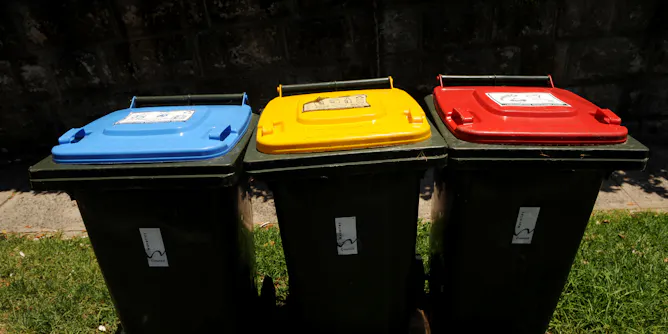
Both short- and long-term solutions are needed to solve Australia’s recycling crisis. State and federal ministers are pursuing some promising avenues, but they need to cast the net much wider.
Articles on Recycling
Displaying 321 - 340 of 416 articles
Under a new target, 100% of Australian packaging will be recyclable, compostable or reusable by 2025. But this is not enough - we also need to ensure that recyclable materials are actually recycled.
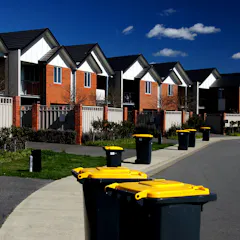
China new cleanliness standards for the recyclable materials it imports are so stringent that they are tantamount to a total ban. Australian councils are now in crisis mode as the rubbish piles up.
Ipswich Council has stopped recycling and it’s likely that others around Australia will follow suit.

New research has found a way to speed up enzymes that break down the PET plastic in bottles.
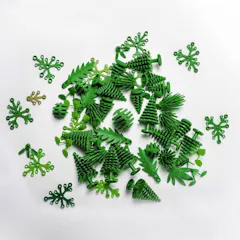
Truly green plastic requires more than sustainable raw materials.
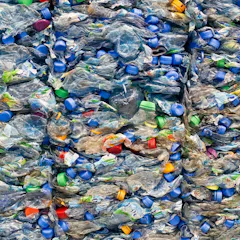
Plant-based, sustainable plastics may hold many of the answers to our plastic problems.
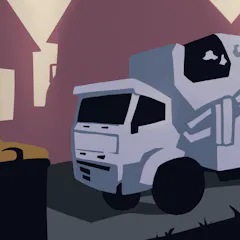
Magnets, air blowers, centrifuges, crushers: your recyclables go through a lot before they get turned into something else.
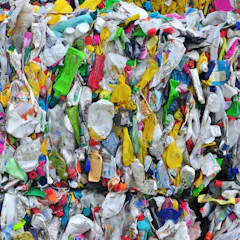
The science is clear but to improve plastic literacy, we need the arts. Here’s why.
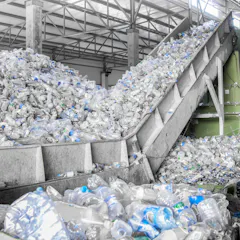
China is no longer importing the world’s recyclable plastic – so what should we do instead?
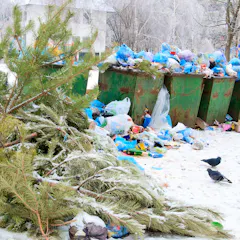
Canadians are a wasteful bunch, especially during the holidays. Redesign your holidays this year to cut back on garbage and food waste.
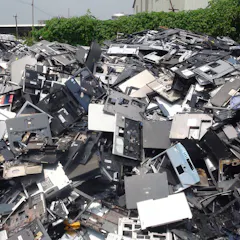
China, which recycles much of the world’s waste material, is slashing its scrap imports. This move could force the United States and Europe to boost recycling instead of shipping trash overseas.

With an ever-increasing cost to extract dwindling raw materials, it’s time to look at cities as urban mines. We’re developing the tools to do that.
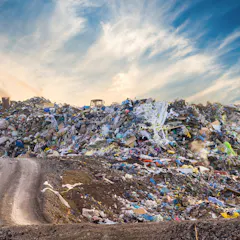
Everyone knows that plastic waste is an environmental problem. So let’s get creative with it.
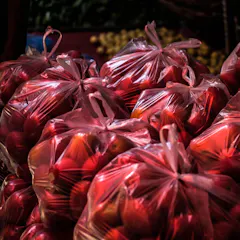
Victoria’s proposed ban on single-use plastic bags is a step forward, but what about all the other unnecessary packaging? A truly effective waste policy should offer a comprehensive plan for packaging.
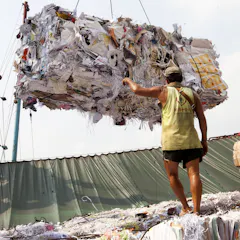
The world’s largest recyclable materials importer will leave other countries searching for alternative waste management solutions.

The Victorian government is auditing every recycling facility in the state after a disastrous fire at Coolaroo. It raises a bigger issue: we don’t know how many plants Australia has or where they are.
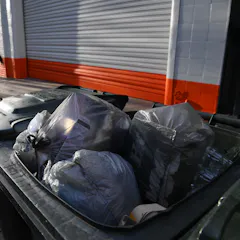
Banning single-use plastic bags makes sense, as long as it doesn’t usher in behaviours that are just as bad, or worse – like over-using heavier bags made of even more plastic.
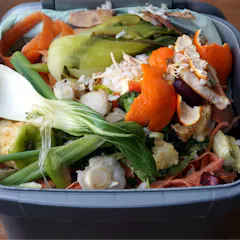
New research shows most people try to shop and cook carefully – the real problem with food waste is infrastructure.
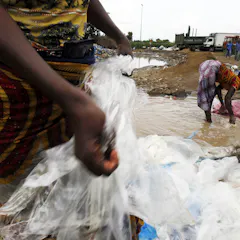
The plastic bag ban doesn’t consider the impact it will have on Kenya’s economy or consider other environmental alternatives.
Top contributors
-

Senior Research Fellow, BehaviourWorks Australia, Monash University
-
Lecturer, School of Life and Environmental Sciences, Deakin University
-
Associate Professor and Research Director, Institute for Sustainable Futures, University of Technology Sydney
-
Professor of Applied Environmental Science, University of Southampton
-
Professor of Global Environmental Politics, University of California, Berkeley
-
Research Principal, Institute for Sustainable Futures, University of Technology Sydney
-
Chair professor - Circular Economy, The University of Melbourne
-
Research Chair, Indigenous Approaches to Environmental Management, Keele University
-
Associate Professor at School of Property, Construction and Project Management, RMIT University
-
Associate Dean and Head of Project Management, RMIT University
-
Professor of Sustainable Development, Keele University
-
Research Director, Institute for Sustainable Futures, University of Technology Sydney
-
Research associate, Loughborough University
-
PhD Candidate in Environmental Science, Policy, and Management, University of California, Berkeley
-
Birkbeck, University of London