
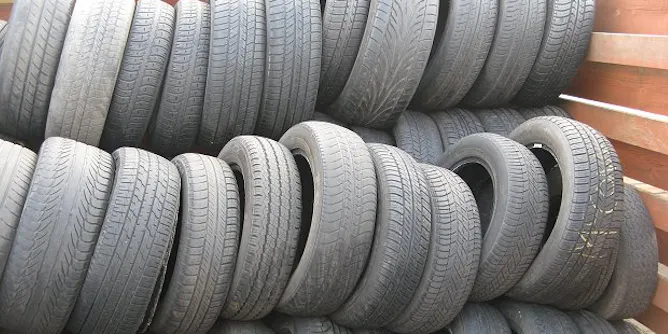
The world’s landfills are growing, which has prompted the search for new industrial processes that can use everyday waste items in some surprising ways.
Articles on Recycling
Displaying 361 - 380 of 416 articles

As a remedy to rampant consumerism and the throwaway culture of fast-fashion, a few clothing brands actively encourage their customers to buy less.
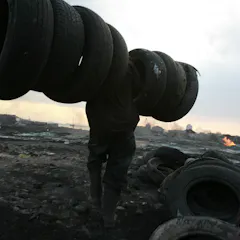
Used tyres pose a serious environmental challenge. So far, traditional recycling methods have proved insufficient to solve the problem. New, eco-friendy alternatives are now being explored.
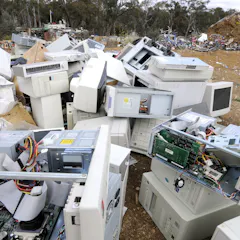
Australia is among the world’s top ten users of electronic and electrical products. But our systems for recycling the resulting ‘e-waste’ fall a long way short of other rich nations.
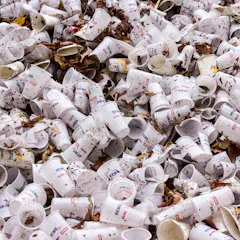
The high street chains cop the heat, but shouldn’t you be doing your bit too?

Fast fashion is the second most wasteful industry on Earth. But with the creation of dresses that charge cellphones and clothes made from recycled bottles, we could be on the verge of a green fashion revolution.
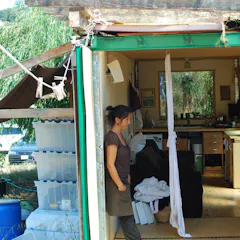
Have you thought about usable space, re-engineering, structural integrity, contamination, insulation and comfort? If not, you need to before jumping into building a home from shipping containers.
From recycling to air pollution, eco-friendly European laws have a big impact.
Let’s be honest, you want assurances that someone is going to take away all those campaign leaflets on June 24.
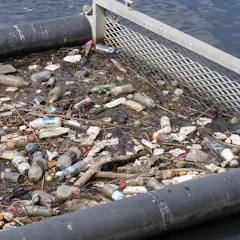
Refunds for drink bottles and cans get litter out of the environment – but industry remains opposed.
We want products that last, it’s up to manufacturers to provide us with the information we need to buy them.
The British capital is more wasteful than anywhere else in England.
Hull City Council claims poor recycling habits are costing it £50,000 a month, so now they’re taking action by removing resident’s bins.
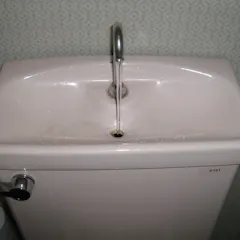
Long-term drought and water shortages in many parts of the U.S. are spurring interest in ways to reuse graywater – the water that drains from sources such as showers, bathtubs and washing machines.
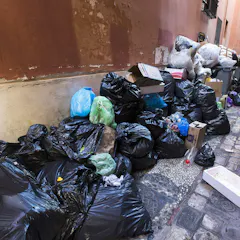
Despite a series of EU laws on waste management, some countries are still a bit rubbish.
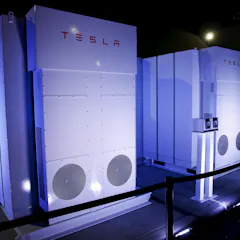
If Australia investments in technology to recycle and lease lithium, it could capitalise on its increasing use in batteries.
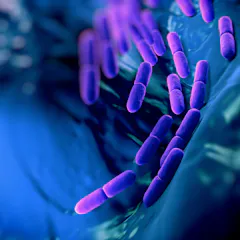
Scientists have discovered the first easy-to-grow bacteria that can break down plastics.

Australians eat a lot of water. Nearly 500 L is required to produce the food each of us eats every day.
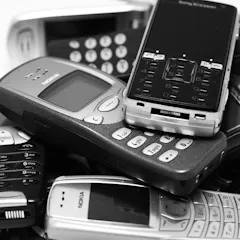
There are precious, and toxic, minerals in our old mobile phones. Far better to recycle them than dump them in the trash.
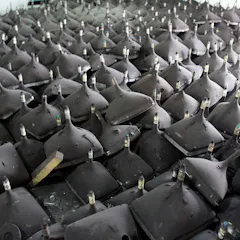
The need for a solution to e-waste disposal is more urgent than ever.
Top contributors
-

Senior Research Fellow, BehaviourWorks Australia, Monash University
-
Lecturer, School of Life and Environmental Sciences, Deakin University
-
Associate Professor and Research Director, Institute for Sustainable Futures, University of Technology Sydney
-
Professor of Applied Environmental Science, University of Southampton
-
Professor of Global Environmental Politics, University of California, Berkeley
-
Research Principal, Institute for Sustainable Futures, University of Technology Sydney
-
Chair professor - Circular Economy, The University of Melbourne
-
Research Chair, Indigenous Approaches to Environmental Management, Keele University
-
Associate Professor at School of Property, Construction and Project Management, RMIT University
-
Associate Dean and Head of Project Management, RMIT University
-
Professor of Sustainable Development, Keele University
-
Research Director, Institute for Sustainable Futures, University of Technology Sydney
-
Research associate, Loughborough University
-
PhD Candidate in Environmental Science, Policy, and Management, University of California, Berkeley
-
Birkbeck, University of London