

This year’s national conference of the Australian Marine Science Association is a plastic-free zone, as marine scientists aim to reduce the environmental burden of throwaway plastic.
Articles on Recycling
Displaying 261 - 280 of 416 articles
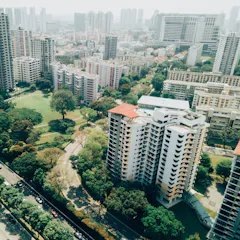
As the population of the world’s cities grows, so too does resource and energy use as well as waste generation. We can combat these issues with a circular economy that uses nature as a template.

Every year the US burns more than 34 million tons of garbage in incinerators. These plants are major pollution sources, and most are clustered in disadvantaged communities.
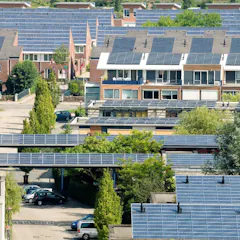
Australia urgently needs to prepare for a coming tsunami of solar panel and battery waste.
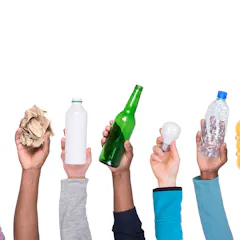
Recycling is a messy system at the moment. Here’s how we can clean up our act.
A year after China stopped accepting most scrap material exports, other Asian countries are following Beijing’s lead, forcing wealthy nations to find domestic solutions for managing their wastes.

A new clothing recycling process can counter the environmental costs of fast fashion.
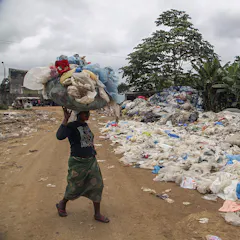
Poorer countries can now refuse shipments of plastic waste and slow the build-up of pollution on their shores.

The global environmental crisis is overwhelming, but showing children how they can take care of their immediate environment can empower them to feel like they can make a difference.
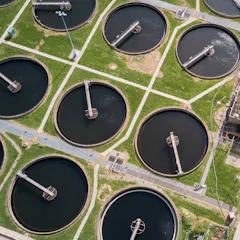
Currently, all the value in sewage sludge is literally being flushed down the toilet.

In a growing world with an increasing population with ever-greater needs, it is high time to find a balanced solution for our activities. Nature provides us with the template.

Navigating Australia’s recycling crisis is even harder during festive seasons. But that doesn’t mean we shouldn’t try.
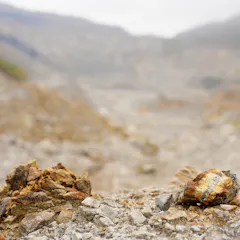
More electric vehicles and renewable energy means more mining for resources. Unless industry adopts cleaner habits urgently, the environment faces more damage.

Do we really need to celebrate with boxes and plastic?

Making more sustainable fashion choices doesn’t require a massive lifestyle change.
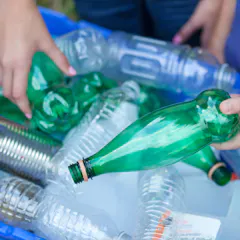
China, which once processed much of the world’s scrap, has slashed imports of “foreign garbage.” What can the US do to step up recycling at home?
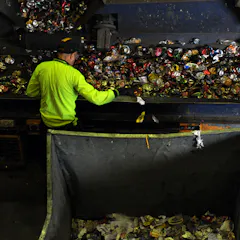
Too much recyclable packaging is still finding its way into landfill - and plastic is the biggest culprit, with two-thirds going unrecovered, according to a new analysis.
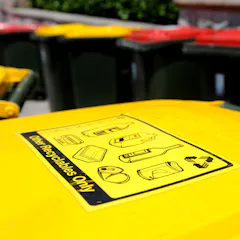
China’s refusal to take Australia’s rubbish has started to bite, and it’s clear we’re not ready to deal with the consequences.
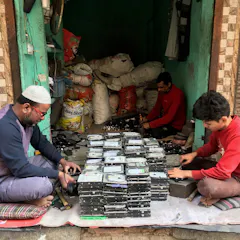
For as little as $4 a day Indian workers process dangerous, toxic waste by hand. This unregulated, highly polluting industry is hidden away from police eyes.
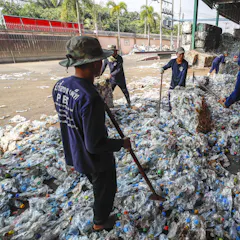
Since China stopped accepting Australia’s recyclable plastic, the majority of exported plastic waste is now going to developing nations in South East Asia.
Top contributors
-

Senior Research Fellow, BehaviourWorks Australia, Monash University
-
Lecturer, School of Life and Environmental Sciences, Deakin University
-
Associate Professor and Research Director, Institute for Sustainable Futures, University of Technology Sydney
-
Professor of Applied Environmental Science, University of Southampton
-
Professor of Global Environmental Politics, University of California, Berkeley
-
Research Principal, Institute for Sustainable Futures, University of Technology Sydney
-
Chair professor - Circular Economy, The University of Melbourne
-
Research Chair, Indigenous Approaches to Environmental Management, Keele University
-
Associate Professor at School of Property, Construction and Project Management, RMIT University
-
Associate Dean and Head of Project Management, RMIT University
-
Professor of Sustainable Development, Keele University
-
Research Director, Institute for Sustainable Futures, University of Technology Sydney
-
Research associate, Loughborough University
-
PhD Candidate in Environmental Science, Policy, and Management, University of California, Berkeley
-
Birkbeck, University of London