
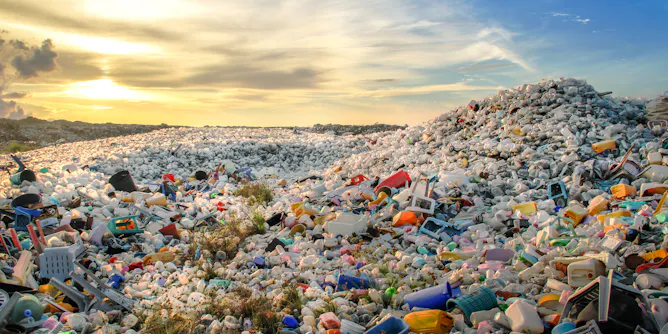
We expect chemical recycling to complement its mechanical counterpart, especially for difficult to recycle materials.
Articles on Recycling
Displaying 181 - 200 of 416 articles
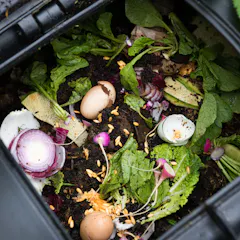
With more people composting due to environmental concerns or council programs, they need to know how to do it right.

Plastic products that claim to be ‘compostable’ aren’t great either.
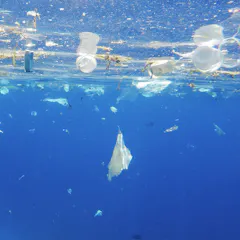
Some plastic sent overseas for recycling ends up as pollution, or goes up in toxic smoke. But there are steps we can take to ensure our waste is processed as intended.

Hospitals have a lot of room to reduce, reuse and recycle supplies – as many were forced to discover during the pandemic.

Used electronics and electrical equipment, known as e-waste, can generate a significant amount of money if recycled.
The hard work of eliminating plastic waste must start with businesses.
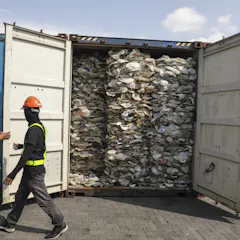
UK still ships huge amounts of plastic waste to places like Vietnam, Malaysia and Pakistan.
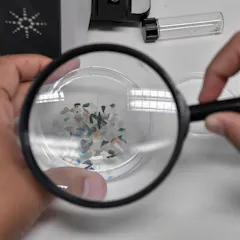
As more and more plastic trash permeates the oceans, fragments are making their way into fish and shellfish – and potentially into humans.
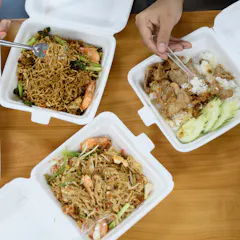
Of the five cuisines examined, packaging from burger meals was responsible for the most emissions.
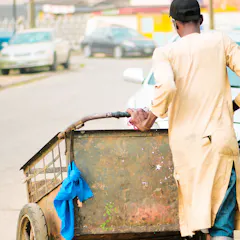
Lagos state must include the informal sector in its waste economy for inclusive development to happen.
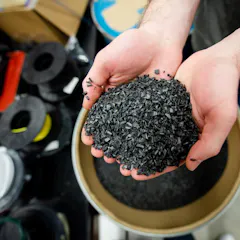
Consumers can turn plastic waste into valuable products at minimal cost using the open source technologies associated with DRAM – distributed recycling and additive manufacturing.

Technical advances are reducing the volume of e-waste generated in the US as lighter, more compact products enter the market. But those goods can be harder to reuse and recycle.
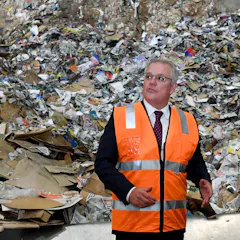
It’s great to see the federal government finally providing clear policy direction for the waste industry. But it’s far from enough to temper the waste crisis.
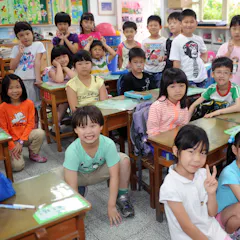
Taiwan has made significant efforts in protecting its environment. A scholar writes about how the country educates its children on protecting the environment through Buddhist stories.
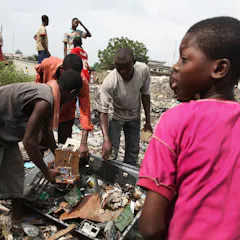
Waste management should be treated as an essential service, and in Nigeria that means recognising informal workers.
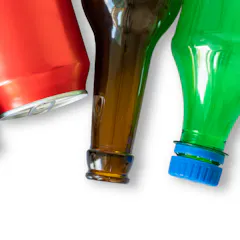
Here’s how to quench your thirst in an environmentally responsible way.

To continue to sustain or grow populations — and economies — more is going to have to be done with the same amount of water, or even less.

A building designed to be easily taken apart so the components can be reused is a model for much less wasteful construction. It reduces resource use and environmental impacts, and can be cheaper too.
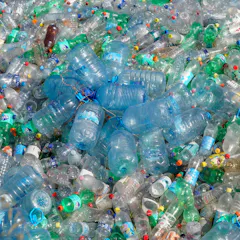
Life-cycle assessments of food packaging often omit the impact and possible toxicity of plastics leaking into the environment. Excluding these factors gives plastics an unjustified advantage.
Top contributors
-

Senior Research Fellow, BehaviourWorks Australia, Monash University
-
Lecturer, School of Life and Environmental Sciences, Deakin University
-
Associate Professor and Research Director, Institute for Sustainable Futures, University of Technology Sydney
-
Professor of Applied Environmental Science, University of Southampton
-
Professor of Global Environmental Politics, University of California, Berkeley
-
Research Principal, Institute for Sustainable Futures, University of Technology Sydney
-
Chair professor - Circular Economy, The University of Melbourne
-
Research Chair, Indigenous Approaches to Environmental Management, Keele University
-
Associate Professor at School of Property, Construction and Project Management, RMIT University
-
Associate Dean and Head of Project Management, RMIT University
-
Professor of Sustainable Development, Keele University
-
Research Director, Institute for Sustainable Futures, University of Technology Sydney
-
Research associate, Loughborough University
-
PhD Candidate in Environmental Science, Policy, and Management, University of California, Berkeley
-
Birkbeck, University of London