

There are many greetings that provide a unique glimpse into the culture of its speakers, reflecting different traditions and ways of acknowledging, respecting and honouring others.
Articles on Philosophy
Displaying 161 - 180 of 754 articles

Space may be considered the final frontier, but the US was once a frontier, too. How can space industry leaders avoid repeating practices that led to colonialism in the 18th century and beyond?

Dogs and infants may not be able to tell us what they’re thinking, but we are developing the tools that will help us find out.

In the absence of clear-cut regulation, who should decide on where and how a technology that could change the course of human health should be applied?
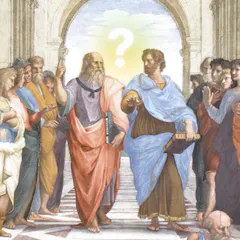
Paradoxes point to conceptual glitches or bugs. How to fix the bugs, or whether they can be fixed, is rarely obvious.
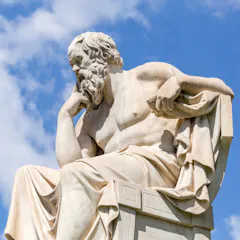
Philosophy has been instrumental to AI since its inception.

What makes a relationship last when feelings fade or circumstances change? Can you force yourself to love someone you hate or don’t care about?

In a rapidly changing world, some conservatives are turning to Christianity for stability. But can they gain its societal benefits without full belief?
Philosophers have argued for millennia about whether reality exists inside or outside our heads – but maybe there’s a pragmatic solution.

Finding fulfilment at the end of life is not that unusual.

History for Tomorrow prompts us to consider how changes to decision-making might result in issues being resolved more democratically and promptly.

If you rely solely on mental power to achieve your goals, you will not succeed.
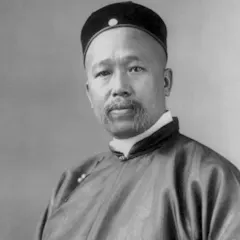
Meet the 19th century reformer Kang Youwei who inspired the founder of modern-day China.
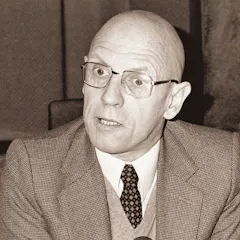
Knowledge, for Foucault, is not just what we know. It is who we are. It defines our options, not just intellectually, but in all respects.

The way Lucy has been depicted in newspapers, textbooks and museums shows how today’s cultural norms influence perceptions of the past.
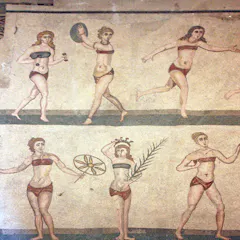
If you’re overworked, skipping gym and drinking too much – fret not. People had the same concerns some 2000 years ago.

Political scientists describe the age we are living in as “post-political”. This controversial concept refers to a noted lack of political alternatives on a global scale.
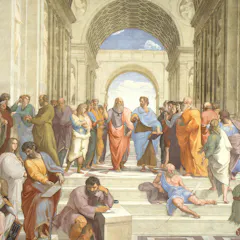
For the Ancient Greeks, the way a philosopher died was meant to reflect their lives and teachings.

People deeply want to believe they are good, reasonable and worthy. A little humility and curiosity can go a long way toward helping someone feel respected during an argument.
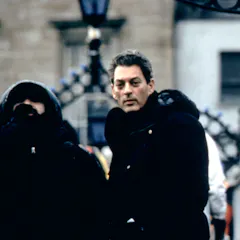
A writer of immense talent, Auster’s legacy bequeaths the power of imagination and the inexhaustible possibilities of language.
Top contributors
-

Professor in Philosophy, Australian Catholic University
-
Associate Professor of Philosophy, Deakin University
-
Associate Professor of Philosophy of Education, University of Birmingham
-
Professor of Philosophy, La Trobe University
-
Senior Lecturer in Philosophy and Education; Curriculum Director, UQ Critical Thinking Project, The University of Queensland
-
Deputy Director, Institute for Ethics, Governance & Law, Griffith University
-
Associate Lecturer, University of Notre Dame Australia
-
Honorary Associate in Philosophy, University of Sydney
-
Professor, Philosophy of Science, The University of Melbourne
-
Professor of Philosophy, University of Pretoria
-
Senior Lecturer in Philosophy and Ethics, Nottingham Trent University
-
Assistant Professor in Philosophy and History, Bond University
-
Researcher, UQ Critical Thinking Project, The University of Queensland
-
Associate Professor in Philosophy, University of Nottingham
-
Lecturer in Philosophy, Queen's University Belfast