
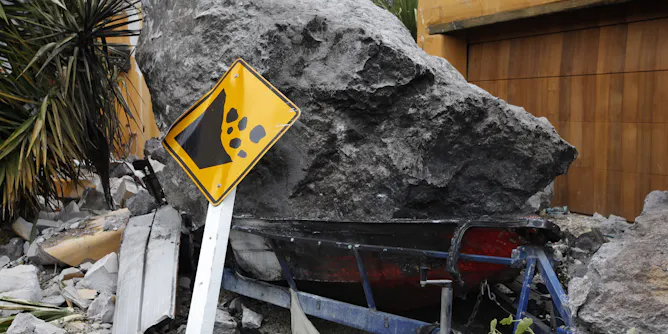
A new study of the 2011 Christchurch earthquake shows boulders from rockfalls fell much further than in earlier quakes that happened before humans arrived and changed the landscape.
Articles on Geology
Displaying 361 - 380 of 461 articles
An expert panel has announced that we truly are living in the geological era defined by humanity’s fingerprint. But is it as simple as that, and does it leave “Anthropocene science” open to attack?
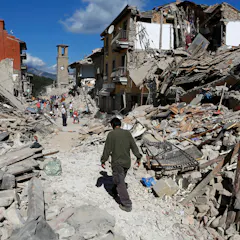
Central Italy has been hit by a magnitude 6.2 earthquake, only seven years after a similar devastating quake in the region.

New research suggests a mythical flood in China really happened about 4,000 years ago. It’s the latest case of scientists matching ancient tales to actual local natural disasters.
Australia is surrounded by ocean, so is not immune to the effects of tsunamis. But how significant is the risk?
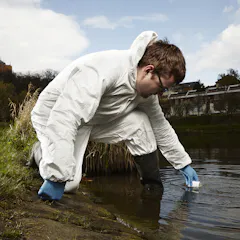
Some water researchers are ignoring the evidence offered by sampling if it doesn’t fit their preconceived notions. But science should always be honest and open.
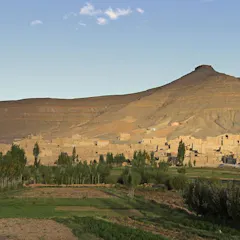
High in the mountains of Morocco, scientists have discovered something remarkable and rare: a spot that was struck by two meteorites, possibly millions of years apart.
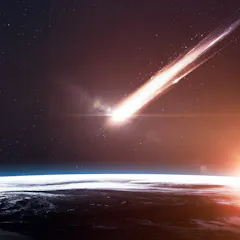
The discovery of the second oldest known asteroid impact site in the world can give us tantalising hints of the Earth’s early crust.
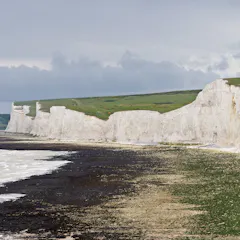
After the recent collapse of part of the Seven Sisters cliffs in Sussex there’s an increased awareness of the danger of rockfalls on Britain’s coast.
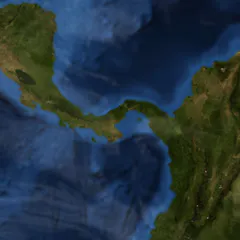
Closing the passage between the Atlantic and Pacific oceans strengthened the gulf stream and helped kick off ice ages.
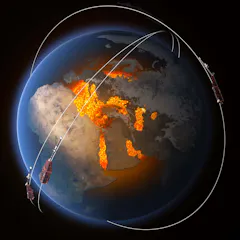
Space research never stops and it seems neither do the surprises. On ABC Breakfast News I covered some huge results from the last few weeks. Be still my beating (magnetic) heart Earth’s magnetic field…
Hunting for meteorites in the vast Pilbara is hard work, but even a tiny speck can tell us a great deal about the sky billions of years ago.
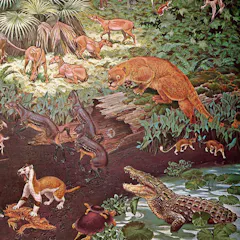
As carbon dioxide emissions continue to increase, scientists are looking to the past.
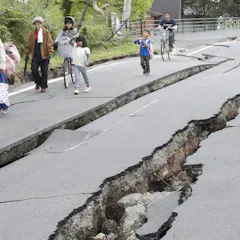
When two major earthquakes occur within days of each other thousands of kilometres apart, it can look like they’re connected. But are they? Here’s what the science says.
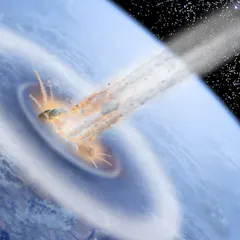
The idea that the dinosaurs were wiped out by a giant asteroid was ridiculed – until the remains of a giant crater were found deep underground.
The earth around you might seem static but it’s constantly in motion. We need to track this motion in fine detail if we’re to keep our GPS networks up to date.
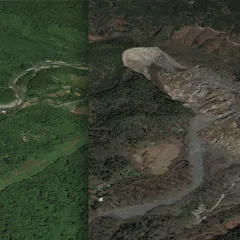
Landslide researchers continue to learn more about how and where these events occur. It’s trickier to figure out how to minimize potential damage to human communities from future landslides.
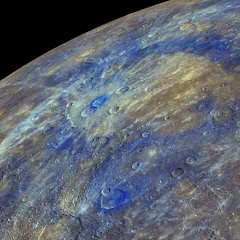
The discovery of carbon in the form of graphite on the surface of Mercury helps explain the mystery of why the tiny planet is so unusually dark.

On printed maps, piling on the detail risks obscuring the meaning. This new digital map is really more of a database from which users can create different versions that match their own interests.
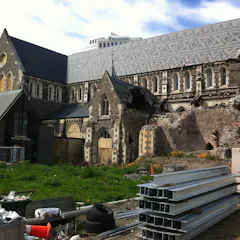
Christchurch is still reeling from the 2011 earthquake, but there may be more on their way.
Top contributors
-

Professor of Geochronology, Curtin University
-
Professor of Geology, Adelaide University
-
Professor of Palaeobiology, University of Leicester
-
ARC Future Fellow and Associate Professor in Igneous Petrology/Volcanology, The University of Queensland
-
Professor in Earth Sciences, Nanyang Technological University, Singapore, and Emeritus Professor of Mineral Physics, University of Cambridge
-
Professor of Earthquake Science, The University of Melbourne
-
Professor of Geophysics, University of Sydney
-
Associate Professor, Earth and Planetary Sciences, Curtin University
-
Professor of Planetary Geosciences, The Open University
-
Senior Curator of Geosciences, Museums Victoria Research Institute; Monash University
-
Professor in Earth & Climate Science, University of Southampton
-
Harold T. Stearns Professor of Earth Science, Wesleyan University
-
Adjunct professor, UNSW
-
Redmond Barry Distinguished Professor Emeritus, The University of Melbourne
-
Professor of Earth and Space Sciences, University of Washington