

Glacial lakes around the world are expected to flood downstream areas more often as climate change makes them less stable.
Articles on Flooding
Displaying 361 - 380 of 571 articles
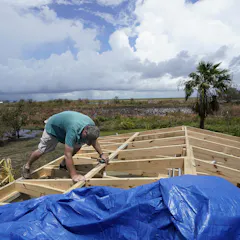
Federal weather scientists are pushing to make the US more ‘weather-ready,’ which could mean prepping for fires, flooding or storms depending on where you live. The common factor: thinking ahead.
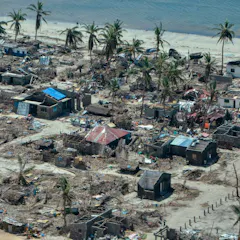
Land-falling tropical cyclones are rare in Tanzania so past events are outside the memory of most.
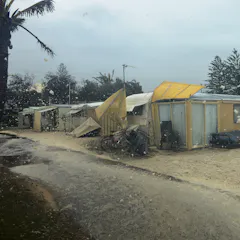
Low-income retirees have long found affordable housing in caravan parks and relocatable home estates. But they are becoming harder to find, and often come with a risk of hazards such as flooding.
A future of heat and strife or humanity’s finest hour – our response to climate change today will define the 21st century.
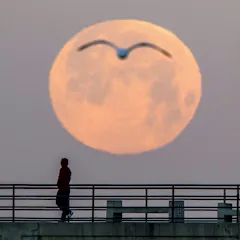
Sea level is still rising, and when that lunar cycle starts upward again, it will mean double trouble for places like Miami.
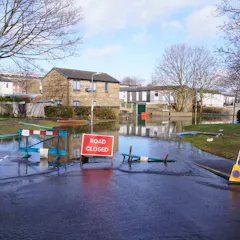
Some flood dangers can be hard to spot initially – to planners, developers and home-buyers. Sometimes, the danger comes from underground.
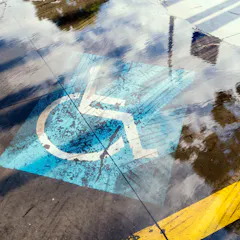
We surveyed people with disability and carers after a major flood in the Northern Rivers area of New South Wales area. Some of the stories were shocking.
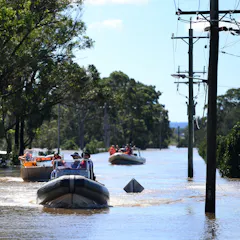
Many flood-affected Sydneysiders live in what amounts to a bathtub. With the next flooding season on their doorstep, they can expect more frequent, devastating floods.
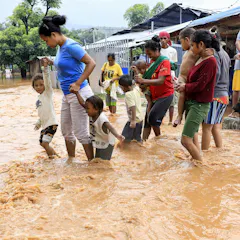
In flood-ravaged Dili, COVID-19 restrictions were abandoned as the disaster unfolded. But it means an already escalating pandemic situation may spiral out of control.
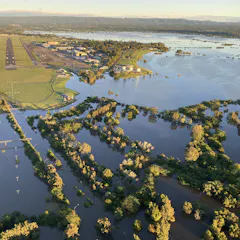
Floodplains are among the most productive ecosystems on the planet – they are biodiversity hotspots. That’s in large part due to periodic flooding between different parts of a river-floodplain system.
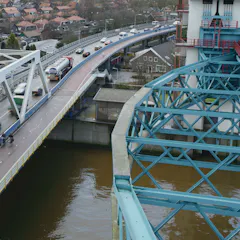
With adaptive design, infrastructure is ready to be expanded in the future. It’s working for the Dutch.
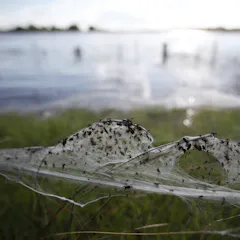
If you find your house overrun by bugs after the floods, go easy on them. Here’s what you can do instead of using pesticides.
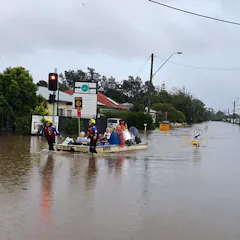
Today’s risks will be tomorrow’s normal. That means tough decisions have to be made about human settlements having to retreat from areas most at risk, whether from floods or bushfires.
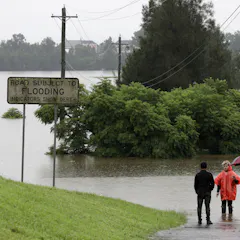
In any given year, there’s a 1% chance of a ‘once in a century’ flood. But that doesn’t mean they can’t happen more than once in quick succession.
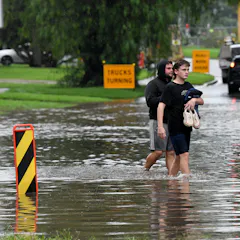
It’s not enough to continue to build cities and towns based on business-as-usual planning principles. We need to plan and design our urban spaces around the idea that flooding is inevitable.
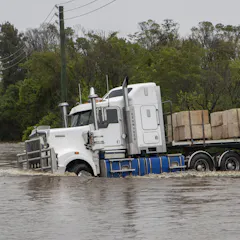
The expert advice is to never drive, walk, or ride through flood waters. Unfortunately, however, this is advice often not heeded. Research on psychology and floods reveals clues as to why.
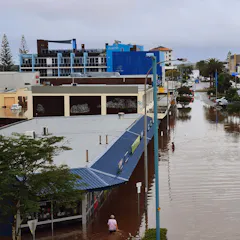
Unless you’ve lived through it, it’s hard to understand how stressful a catastrophic flood can be - both in the moment and long after the event. That’s especially true for vulnerable populations.
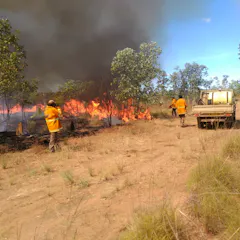
By collaborating with Indigenous ranger groups, we can make strategic fire and land management practices economically sustainable for traditional landowners.

In Australia and around the world, failures in flood warnings can have devastating effects. But ‘humanitarian engineering’ may have the answer.
Top contributors
-

ARC Future Fellow and Associate Professor in Climate Science, ARC Centre of Excellence for 21st Century Weather, The University of Melbourne
-
Adjunct Professor of Environmental Geography, CQUniversity Australia
-
Professor of Geology and Environmental Geosciences, University of Dayton
-
Professor of Sociology, Rice University
-
Regius Professor of Meteorology and Climate Science, University of Reading
-
Professor and Director of the Institute for Water Research, Rhodes University
-
Associate Academic Officer – Risk and Recovery Governance, United Nations University
-
Professor Emeritus of Climate and Space Sciences and Engineering, University of Michigan
-
Professor of Physical Geography, University of the Witwatersrand
-
Professor, Department of Forest Resources Management, University of British Columbia
-
Distinguished Scholar, National Center for Atmospheric Research; Affiliate Faculty, University of Auckland, Waipapa Taumata Rau
-
Research Fellow, Australian Rivers Institute, Griffith University
-
Professor of Landscape Architecture and Urban Planning, Texas A&M University
-
Professor Emeritus of Risk Management and Insurance, Georgia State University
-
Senior Research Fellow, The University Centre for Rural Health, University of Sydney