
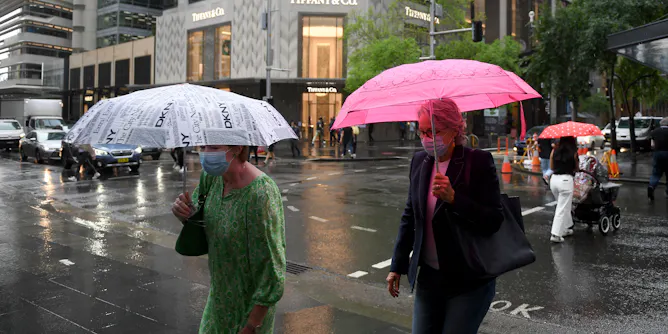
After one La Niña, the Pacific sometimes retains cool water which enables a second La Niña to form.
Articles on Flooding
Displaying 321 - 340 of 571 articles

Global floods in 2021 showed the danger of poor emergency preparedness - and the importance of planning ahead.
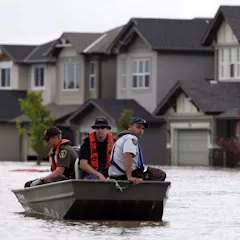
Many cities continue to allow developers to build homes in areas that have a high risk of flooding.
Private companies rate all kinds of investments, from stocks to used cars. Now, they’re starting to analyze climate risks to local real estate – but how reliable are their findings?
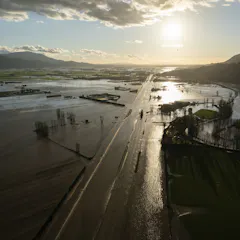
An atmospheric river is a band of warm, moisture-laden air many hundreds of kilometres long and hundreds of kilometres wide. It can dump prodigious amounts of rain over a large area.

Central banks have a responsibility in addressing the challenge of climate change. But how? Experts explore some ideas.

Pollution from more frequent floods and wildfires – exacerbated by the warming climate – is threatening human health and poses particular risks to the brain.

Nature-based solutions can help us sustainably tackle climate disasters - but to do that, they urgently need policy support.

Failures to respond adequately to the floods that hit Germany and Luxembourg in July 2021 must teach us how to prepare for future climate disasters.

Shoreline communities are already faltering under the weight of billions of dollars in damages — and worrying that climate change will continue to make things even worse.
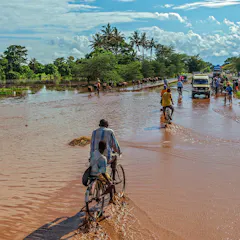
New technologies can help reduce the cost of producing maps that warn where floods might happen.
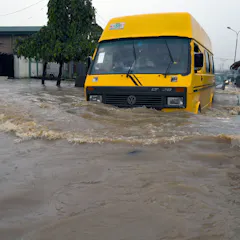
Flooding constitutes a threat to Nigeria achieving the global sustainable development goals.
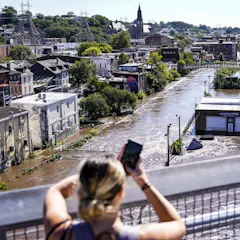
More than half of the world’s population lives in cities, and that share is growing. Rapid climate change could make many cities unlivable in the coming decades without major investments to adapt.
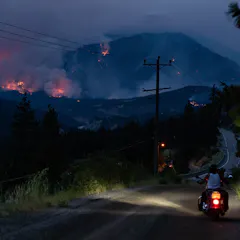
While climate migration may be on the rise in Canada, it has been disproportionately impacting Indigenous people and communities for years.
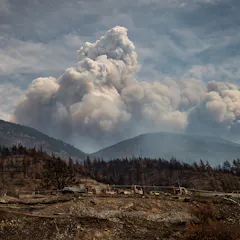
76 per cent of Canadians say environmental policy and sustainability is a priority when considering where to live.
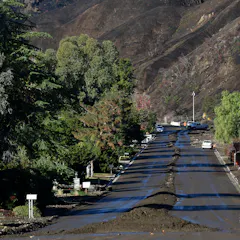
An atmospheric scientist and sailplane pilot describes why large areas of burned land can produce clouds and rainstorms.

Southern Québec is warming twice as rapidly as the rest of the world due to the progressive loss of snow cover. An average annual warming of 3 C to 6 C is expected by the end of the century.

Images of water gushing into subway stations filled social media following heavy rain in New York City. Solutions are at hand – but it takes money and political will, an expert explains.
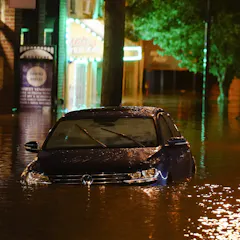
Evidence is mounting that, as the climate warms, the amount of rain falling in heavy storms is increasing, especially in the central and eastern US.
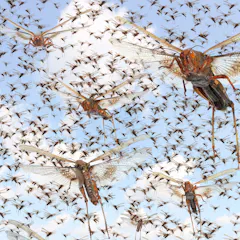
Every increase in one degree of global warming will increase losses of crops to insects from 10% to 25%.
Top contributors
-

ARC Future Fellow and Associate Professor in Climate Science, ARC Centre of Excellence for 21st Century Weather, The University of Melbourne
-
Adjunct Professor of Environmental Geography, CQUniversity Australia
-
Professor of Geology and Environmental Geosciences, University of Dayton
-
Professor of Sociology, Rice University
-
Regius Professor of Meteorology and Climate Science, University of Reading
-
Professor and Director of the Institute for Water Research, Rhodes University
-
Associate Academic Officer – Risk and Recovery Governance, United Nations University
-
Professor Emeritus of Climate and Space Sciences and Engineering, University of Michigan
-
Professor of Physical Geography, University of the Witwatersrand
-
Professor, Department of Forest Resources Management, University of British Columbia
-
Distinguished Scholar, National Center for Atmospheric Research; Affiliate Faculty, University of Auckland, Waipapa Taumata Rau
-
Research Fellow, Australian Rivers Institute, Griffith University
-
Professor of Landscape Architecture and Urban Planning, Texas A&M University
-
Professor Emeritus of Risk Management and Insurance, Georgia State University
-
Senior Research Fellow, The University Centre for Rural Health, University of Sydney