
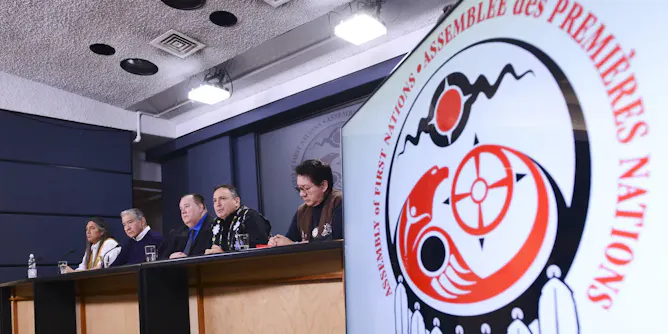
Measures to control the spread of COVID-19 within Indigenous communities represent less than one per cent of Canada’s funding to limit the impacts of the virus.
Articles on First Nations
Displaying 381 - 400 of 443 articles

NFL teams like the Washington Redskins changing names that demean First Nations and Native Americans is a long overdue step in the right direction.
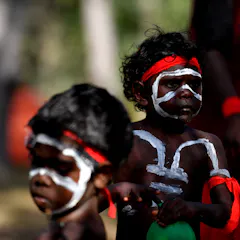
Rather than continually focusing on the “gap” between Indigenous and non-Indigenous Australians, we should look at pathways to success within First Nations communities.
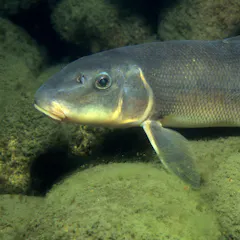
Children in an Oji-Cree northern First Nation are learning traditional teachings about ‘Namebin’ (suckers) and working on literacy skills at the same time through a community literacy project.

Indigenous communities are connecting over digital communities to survive and resist.
As we emerge from the pandemic, we need to rebuild our justice system to invest more in First Nations communities, not prisons. It is vital we not return to the status quo.
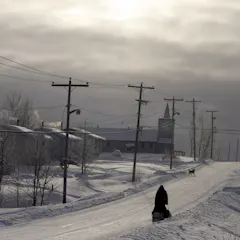
Canada’s public health-care system is one of the most well-developed in the world. And yet, many remote Indigenous communities are still not getting what they need.

Many remote Indigenous communities in British Columbia rely on expensive generators that run on diesel despite having the potential to tap into renewable energy.
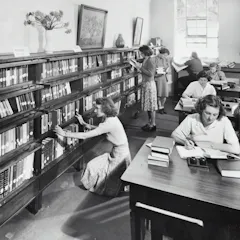
The books chosen as finalists in this year’s Stella Prizes can help us draw on our innate resources. We can seek inner truths and explore ways to support each other thanks to these gifted writers.
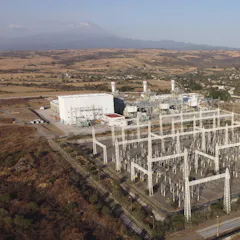
The behaviour of TC Energy, the company formerly known as TransCanada, in Wet'suwet'en resulted in a nationwide crisis in Canada. It should not be repeated in Mexico.
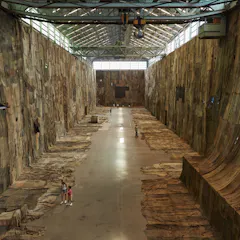
The 22nd Biennale of Sydney is testament to the capacity of art and exhibitions to move beyond reflection to lead dialogue, especially at times of crisis and cancellations.
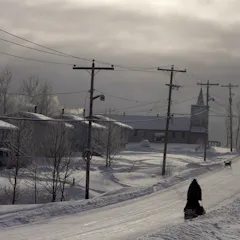
Ontario’s approach to assessing the environmental impacts of mining in the Ring of Fire region couldn’t address concerns about the cumulative consequences of development.
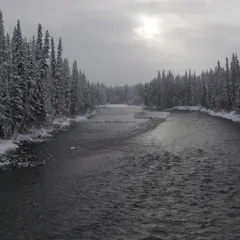
Impact benefit agreements between energy companies and First Nations are typically confidential. But documents suggest First Nations may be trading away their Aboriginal rights.
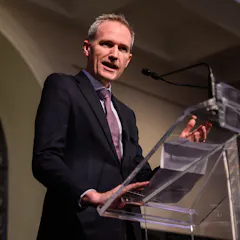
The ability to remove an Indigenous person from their traditional country shows how Australia is still asserting colonial power over the identity of its First Peoples.

Bringing together innovative and traditional works, the Linear exhibition gives us a new map for sharing land and knowledge.
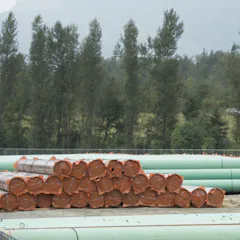
Project Reconciliation is a direct response to one of the Truth and Reconciliation Commission’s calls that Indigenous communities ‘gain long-term sustainable benefits from economic development projects.’
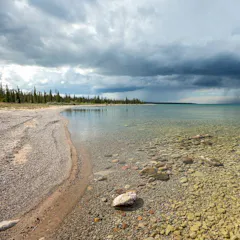
A holistic approach to conservation finds people have a place in the natural world and a responsibility to maintain it.
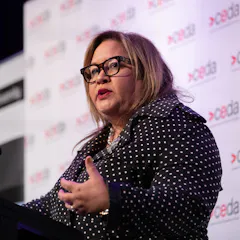
Megan Davis on a First Nations Voice in the Constitution
The Conversation, CC BY31.4 MB (download)
Megan Davis says the idea of including an Indigenous Voice in the Constitution is being rejected on an understanding that "simply isn't true" but believes Australia has the "capacity to correct this".
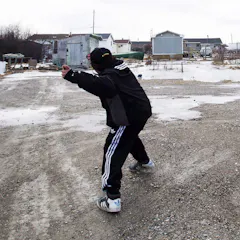
The MMIWG report didn’t address the poverty that has had such a devastating effect on First Nations. Encouraging active participation by the Indigenous in the Canadian economy is a win-win for everyone.
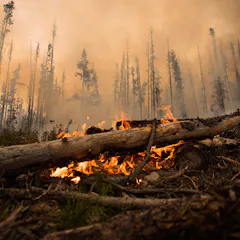
Laws and policies that marginalize Indigenous people and communities make these same people vulnerable to disaster.
Top contributors
-

Professorial Fellow, University of Canberra
-
Professor, Australian and Aboriginal History, Faculty of Arts, Design and Architecture, Convenor: Indigenous Land & Justice Research Group, UNSW
-
Professor of Law, University of Technology Sydney
-
Chief Investigator for the Australian Research Council Centre of Excellence for the Elimination of Violence against Women (CEVAW), School of Philosophical, Historical & International Studies, School of Social Sciences (SOSS), Monash University
-
Adjunct Professor, Stout Research Centre, Victoria University of Wellington and Auckland University of Technology, Professor of Political Science, Charles Sturt University
-
Associate professor, Faculty of Law, L’Université d’Ottawa/University of Ottawa
-
Executive Co-Director, UNU Hub on Empowering Communities to Adapt to Environmental Change, Institute for Water, Environment and Health, United Nations University; University of Calgary
-
Professor, Faculty of Education, University of Manitoba
-
Associate Dean of Business (Indigenous Leadership & Engagement); Director, UTS Centre for Indigenous People and Work, University of Technology Sydney
-
Senior Lecturer, School of Geography, Earth and Atmospheric Sciences, The University of Melbourne
-
York Research Chair in Environmental Law & Justice in the Green Economy, York University, Canada
-
Research Fellow in Disaster Resilience, Monash University
-
Adjunct Senior Research Fellow, Department of Archaeology and History, La Trobe University
-
Associate Professor of Public Policy, Crawford School of Public Policy, Australian National University
-
Canada Research Chair in Urban Planning for Climate Change, Associate Professor of Geography and Civil Engineering, University of Victoria