
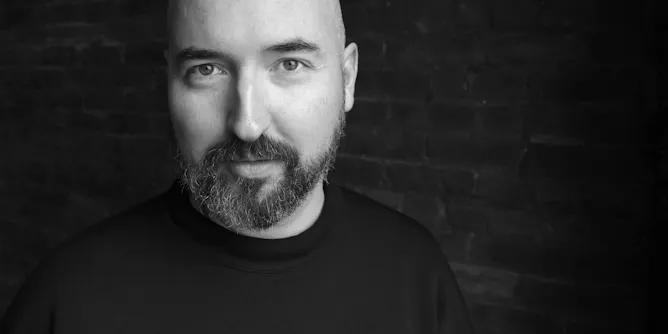
Douglas Stuart won the Booker Prize for Shuggie Bain. His third novel, John of John, continues his exploration of masculinity and sexuality in repressed families.
Articles on Fiction
Displaying 21 - 40 of 387 articles
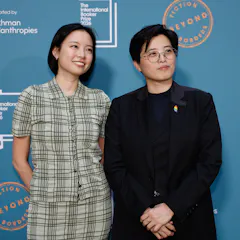
Taiwan is usually discussed in Australia through geopolitics, but Taiwan Travelogue makes it visible as a lived society.
Conversations about death emphasise choice, control or dignity. Circle of Wonders offers a quiet corrective, insisting that dying is relational.

In Yñiga, Glenn Diaz gives readers a glimpse into his country’s history in the only way that would do it justice.

Fiona Wright’s genre-defying social satire will ring bells for people who are locked out of the housing market, and those who care about inequality.
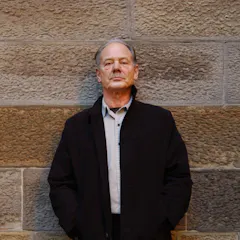
Journey to the End of Time is a celebration of all forms of love – romantic love, friendship, parental and filial attachment, compassion for others.

Like Jorge Luis Borges before her, Solvej Balle employs fantasy to philosophise on the nature of reality.
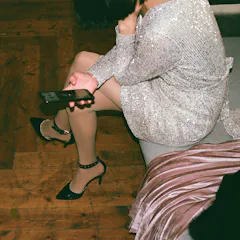
29-year-old Madeline Cash’s debut, Lost Lambs, was lauded by Lena Dunham – and it’s inspired by The Corrections and hard-boiled detective fiction.

Former child star Jennette McCurdy’s gross, gripping debut novel shows there is no single, correct way to engage with stories about female desire and power.
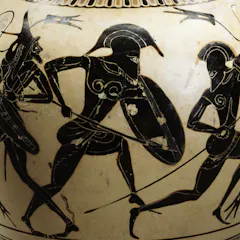
You could say it’s just a novel, so the implausibilities don’t matter, but the story is self-involved and contrived.

The flaw of child heroes is their vulnerability, their trust in the adults in their lives, their tendency to look to them for guidance.

Silence would mean accepting and surrendering to the Taliban’s power, writes one of these authors. Theirs are the voices of resistance.

For World Book Day, we asked ten academic experts to share a work of fiction that has challenged their assumptions and changed their thinking in a lasting way.

In her latest novel, Claire Thomas spotlights the significance of the Swiss Alps to a wide range of authors, scientists, historians and artists.

Big Kiss, Bye-Bye explores the psychological fallout from a broken relationship and the human tendency to seek shelter in illusions.
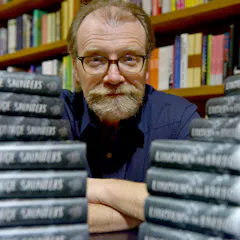
Vigil shies away from elaborating on the perils of its subjects: late capitalism and the climate apocalypse.
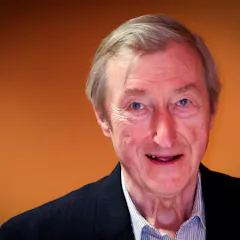
Departure(s) sketches out the limits of Julian Barnes’ aspirations for his art.

Infinite Jest is a kind of geological cross-section of a writer and a literary culture at a moment of major upheaval.
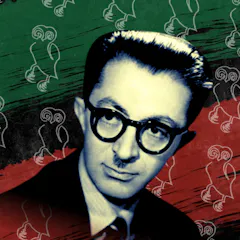
The dire social and political landscape of Sadeq Hedayat’s time contributed to the existential despair and pessimism of his writing.
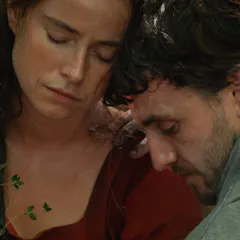
Was the premature death of Shakespeare’s only son really the inspiration for Hamlet?
Top contributors
-

Distinguished Professor Emerita of Creative Practice, Faculty of Arts and Design, University of Canberra
-
Professor of English Literature, University of Southern Queensland
-
Professor, Chair of Australian Literature, The University of Western Australia
-
Associate Professor in Literary Studies, RMIT University
-
Senior Lecturer in English Literature, Adelaide University
-
Lecturer, Creative Writing, Adelaide University
-
Professor of English, Institute for Humanities and Social Sciences, Australian Catholic University
-
Senior Lecturer, Writing, Department of Media and Communication, Swinburne University of Technology
-
Adjunct Lecturer, English and Creative Writing, UNSW Canberra, UNSW
-
Senior Lecturer in Humanities, University of Southern Queensland
-
Dean of Research (Creative), Adelaide University
-
Director of Creative Writing, Macquarie University
-
Senior Lecturer in Writing, Literature and Culture, Deakin University
-
Professor, English and Creative Writing, Adelaide University
-
Professor of Creative Writing, University of Technology Sydney