
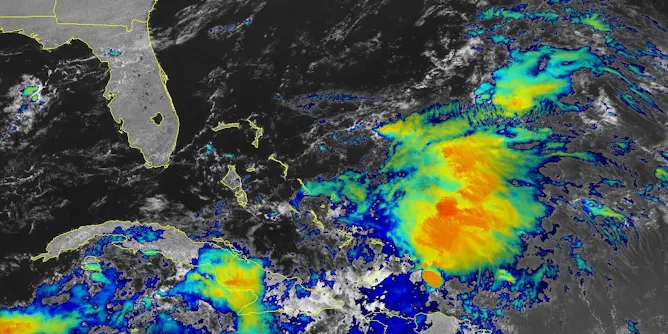
New techniques are helping forecasters spot potentially dangerous storms earlier than ever.
Articles on Extreme weather
Displaying 341 - 360 of 716 articles
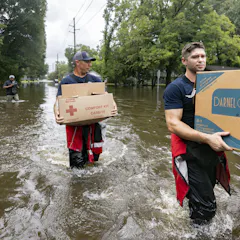
With Debby’s storm track, much of the East Coast is forecast to get soaked. Climate change also plays a role in the downpours.
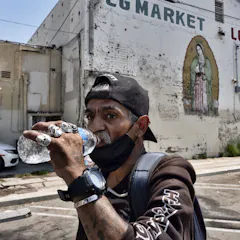
Mapping daily temperature variations across the US revealed stark differences between wealthy and poor neighborhoods, and large differences by race.
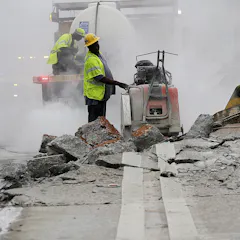
A civil engineer explains why roadways and rails warp and crack in the heat − and points to some innovative ways to keep the US transportation system healthy as long as possible.
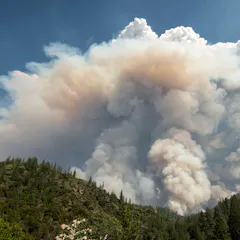
Fire-produced thunderstorms and tornado-like fire whirls are more common than anyone realized, as high-resolution satellite images and data now show.
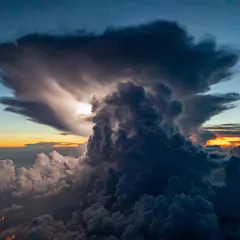
Record heat, storms and floods reveal new extremes made possible by climate change.
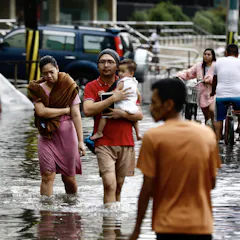
Disasters are never entirely natural. They can be far worse if they hit unprepared cities, as Manila has just found out.
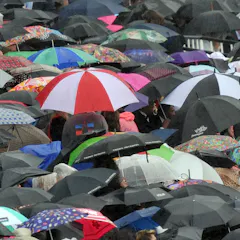
Mounting evidence shows rainfall is becoming increasingly variable, making the dry times drier and the wet much wetter. New findings confirm research into rainfall variability in Australia.

The 2024 Summer Games are going all in on renewable energy, recycled materials and more to shrink their carbon footprint. They’re a test bed for how big events can do better for the environment.
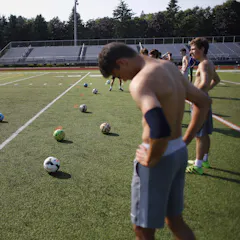
An athletic trainer explains why bodies need time time to acclimatize, and the risks to watch out for.
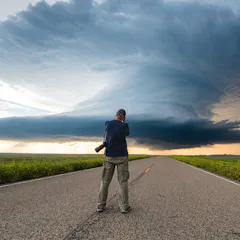
Hurricanes, heatwaves and floods can be good moments to begin tough conversations about climate change.
One in 4 American households is at risk of losing power because of the high cost of energy. Over 30% of those disconnections are in summer, when heat gets dangerous.

A landmark report has clearly attributed the June heat wave in Canada to climate change. The lessons from this report can help inform climate policy in a changing Canada.
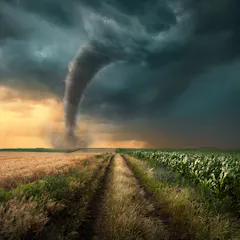
The film reflects the public’s fascination with watching extreme weather. New research is beginning to show what draws us to it.
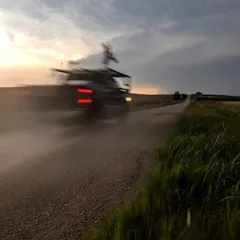
To understand how tornadoes behave, scientists need to be near the storm. The movies get some of it right.
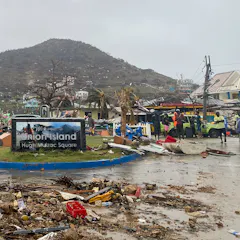
The countries most responsible for climate-driven extreme weather must do more to help.
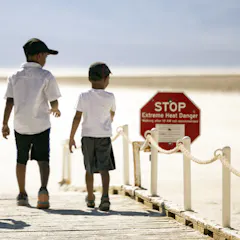
Global temperatures have averaged at least 1.5 degrees Celsius warmer than preindustrial times for over a year. Two scientists explain what that means and what humanity can do.

Contrary to popular belief, new research shows the abrupt, often gale force wind changes known as “southerly busters” are becoming more frequent, but less severe, as the climate changes.
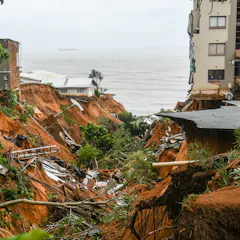
South Africa’s game reserves, tourist parks, chalets and ocean activities are being disrupted by extreme weather. To protect livelihoods, urban planning needs to adapt to climate change fast.
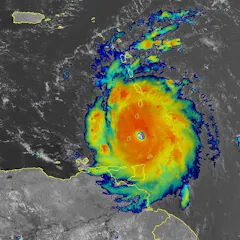
Beryl’s strength and rapid intensification set records, raising alarms about what’s already expected to be a very active Atlantic hurricane season, as a meteorologist explains.
Top contributors
-

ARC Future Fellow and Associate Professor in Climate Science, ARC Centre of Excellence for 21st Century Weather, The University of Melbourne
-
Adjunct Professor of Environmental Geography, CQUniversity Australia
-
Professor of Climate Science, UMass Lowell
-
Principal Research Scientist in Extreme Weather, The University of Melbourne
-
Regius Professor of Meteorology and Climate Science, University of Reading
-
Professor of Economics and Environmental Studies, Wesleyan University
-
Associate Professor of Landscape Architecture and Urban Planning, Texas A&M University
-
Professor of Geology and Environmental Geosciences, University of Dayton
-
Professor emeritus, The University of Melbourne
-
Atmospheric Science Educator, Georgia Institute of Technology
-
Honorary Associate Professor of Climate Science, The University of Melbourne
-
Director, ANU Institute for Climate, Energy & Disaster Solutions, Australian National University
-
Meteorologist and Research Program Manager, University of Wisconsin-Madison
-
Senior Lecturer in Climate Science, Imperial College London
-
Professor of Natural Resources and Environmental Science, University of Vermont