
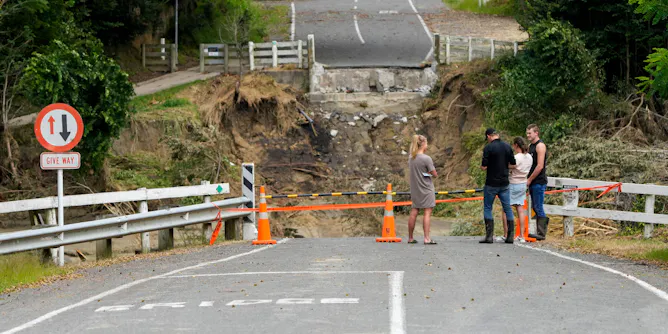
Health and wellbeing are greatly affected by extreme weather events. New research into how people and systems responded after Cyclone Gabrielle shows how we can react better to future emergencies.
Articles on Extreme weather
Displaying 321 - 340 of 716 articles
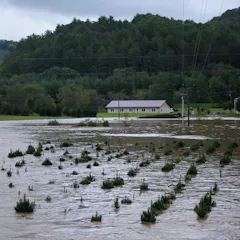
If your area experiences a 1,000-year rainfall event, don’t assume that you’re off the hook for the next 999 years.
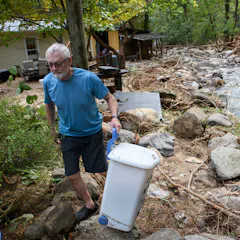
Weather disasters, particularly floods, can create health threats that linger for months, from infected cuts to mold growth to mental stress.
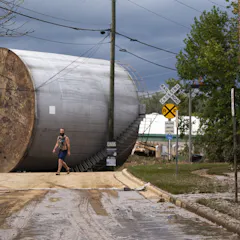
People living near these industries, as well as emergency responders, often have few details about the chemicals inside. New interactive maps pinpoint the risks.
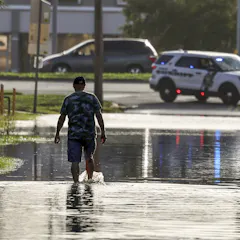
Researchers tracked power outages after 8 major storms to see how wealth corresponded to recovery time.
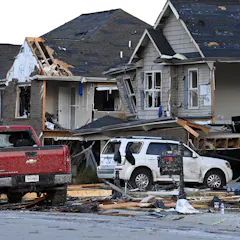
Insurers are raising rates quickly, and it’s not just in California and Florida. They’re often shrinking coverage at the same time.
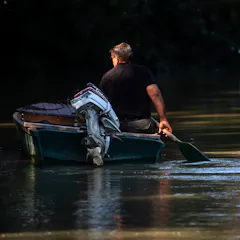
The UK is deciding who has ultimate responsibility for infrastructure weathering a harsher climate.
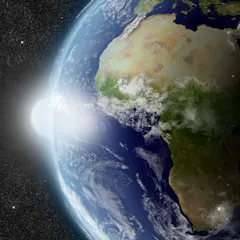
The answer is found on the other side of the Atlantic, where the Sahara Desert just had weeks of unprecedented rainfall.

A report on the future impact of climate change has found more than 150 Australian tourism sites are at risk, but it probably underestimates the potential damage.
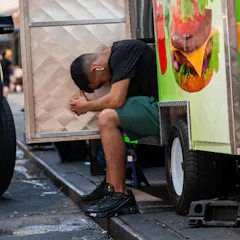
As a record-hot summer comes to a close, an atmospheric scientist explains how global warming drove long periods of extreme heat.
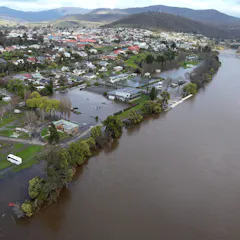
Australia is facing climate hazards on all fronts this spring and summer. Climate scientist Andrew King walks us through the Bureau of Meteorology’s new national outlook.
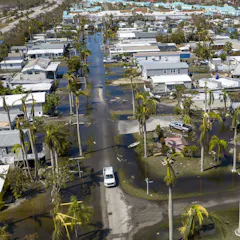
Fast population growth has left more people in flood-prone areas of Gulf Coast communities, including Houston and New Orleans. Often, those residents at most risk are the most socially vulnerable.
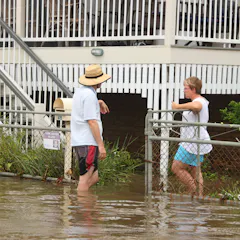
Australian properties are becoming uninsurable as unseasonal extreme weather inflicts major damage to housing, business and infrastructure.
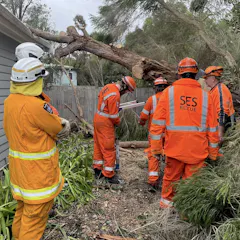
As Australia’s south-east states reel from intense winds, many of us wonder if the trees near us are safe.

Builders knew how to keep people cool in hot, dry climates thousands of years ago. It’s time to get that knowledge back.
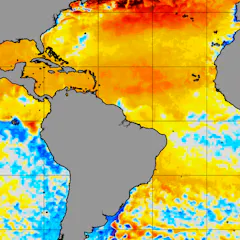
It’s rare to see both Nina’s at the same time, but both appeared to be developing in 2024. That could help soften hurricane season, but don’t bet on it.
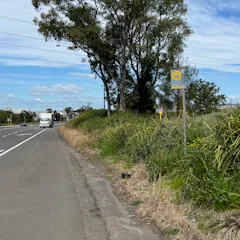
Upgrading Sydney’s bus stops would greatly improve access, equity, comfort and dignity for public transport users – at much less cost than the new rail project.
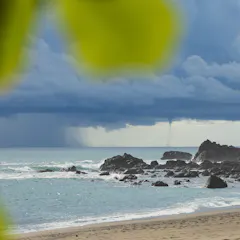
The ocean is warming, providing ample fuel for destructive tornadic waterspouts.

As summer temperatures rise, finding ways to build cities that don’t hold in the heat and can provide some cooling is increasingly important.

A town hit hard by two hurricanes, downpours and a deep freeze, all in the midst of a pandemic, offers crucial lessons for everyone’s disaster planning and recovery.
Top contributors
-

ARC Future Fellow and Associate Professor in Climate Science, ARC Centre of Excellence for 21st Century Weather, The University of Melbourne
-
Adjunct Professor of Environmental Geography, CQUniversity Australia
-
Professor of Climate Science, UMass Lowell
-
Principal Research Scientist in Extreme Weather, The University of Melbourne
-
Regius Professor of Meteorology and Climate Science, University of Reading
-
Professor of Economics and Environmental Studies, Wesleyan University
-
Associate Professor of Landscape Architecture and Urban Planning, Texas A&M University
-
Professor of Geology and Environmental Geosciences, University of Dayton
-
Professor emeritus, The University of Melbourne
-
Atmospheric Science Educator, Georgia Institute of Technology
-
Honorary Associate Professor of Climate Science, The University of Melbourne
-
Director, ANU Institute for Climate, Energy & Disaster Solutions, Australian National University
-
Meteorologist and Research Program Manager, University of Wisconsin-Madison
-
Senior Lecturer in Climate Science, Imperial College London
-
Professor of Natural Resources and Environmental Science, University of Vermont