
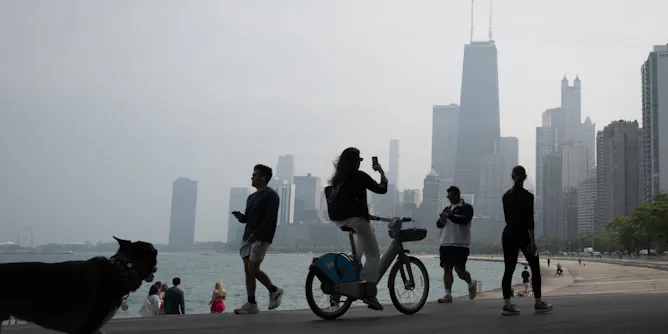
As wildfire smoke becomes a frequent summer hazard across large parts of the US, knowing the risk at the neighborhood scale matters for human health.
Articles on Extreme weather
Displaying 201 - 220 of 716 articles
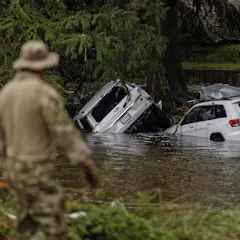
Large parts of the central and eastern U.S. have seen at least 50% more precipitation than normal. An atmospheric scientist explains why and what creates flash flood weather.

Seasons are more than just divisions of time – they are our connection with nature.
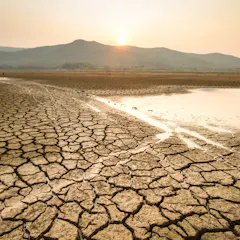
Planet Earth is living on borrowed time, a new global report reveals. The world must stop burning fossil fuels now and take urgent steps to reduce global warming.
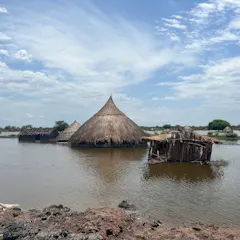
New study finds that people in 12 African countries don’t fully accept that extreme weather disasters are caused by climate change. More public awareness is needed.
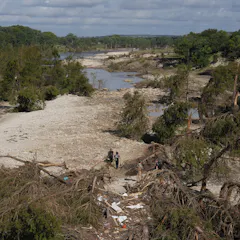
Flash floods are increasing in frequency, severity and impact. The Canadian government needs to learn from the Texas tragedy and co-ordinate weather information and warning systems.
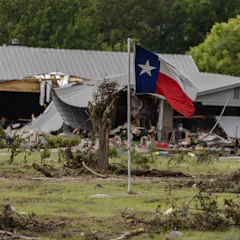
There are ways the state could help these communities, as a team of disaster planning specialists explains.
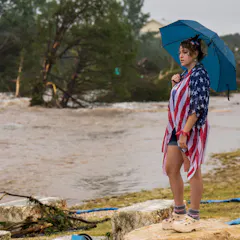
After a natural disaster, survivors often suffer from prolonged trauma for years to come, particularly in places where mental health services are few and far between.
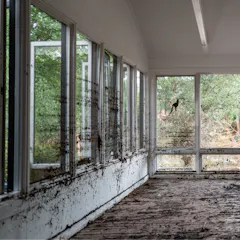
FEMA flood maps are essential tools for identifying flood risks, but they have significant coverage gaps, and politics can get in the way.
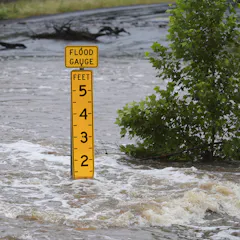
As flash floods ravage areas like the Texas Hill Country, research shows that technology alone cannot save lives during flooding emergencies.

Storm systems, heat waves, bright sunlight, even lightning – for millions of people, weather changes can bring on painful headaches.

Italy unofficially names heatwaves, but ‘Lucifer’ was only slightly more effective than ‘Arnold’.
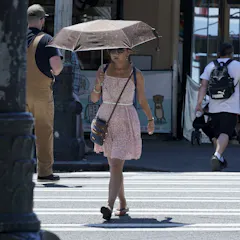
The administration said the grants were ‘no longer consistent with EPA funding priorities.’ Spokane, which has faced deadly heat waves in eastern Washington, shows who is at risk.
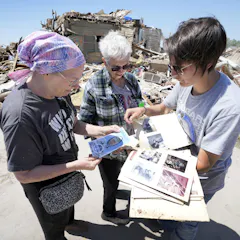
Rural hospitals have been closing, putting emergency care further out of reach, but that’s only one of the heightened challenges aging rural communities face after a disaster.
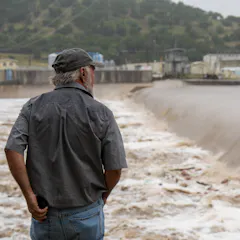
A hydrologist explains why the region is known as Flash Flood Alley and how its geography and geology can lead to heavy downpours and sudden, destructive floods.
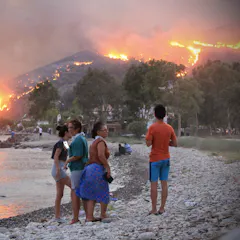
A 70,000-person global study found understanding how events such as fires and floods are linked to climate change may be a key driver of support for climate action.
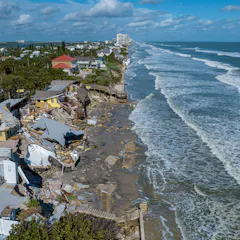
The Defense Meteorological Satellite Program has been particularly important for understanding when a hurricane is about to rapidly intensify, a dangerous situation for coastal communities.

African countries had 14 of the world’s 67 heat extreme events last year, and several had at least three months of hotter temperatures than the preceding 30 years.
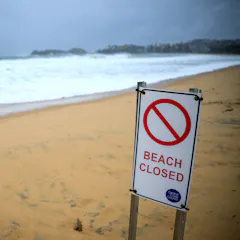
A second low forming off the NSW coast may have given anxious residents a reprieve by pulling energy away from the huge storm lashing the coast.
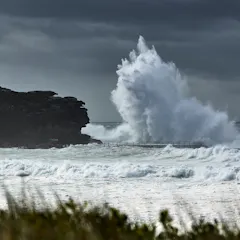
New South Wales residents face a rapidly intensifying major storm expected to bring intense winds, rains and high seas.
Top contributors
-

ARC Future Fellow and Associate Professor in Climate Science, ARC Centre of Excellence for 21st Century Weather, The University of Melbourne
-
Adjunct Professor of Environmental Geography, CQUniversity Australia
-
Professor of Climate Science, UMass Lowell
-
Principal Research Scientist in Extreme Weather, The University of Melbourne
-
Regius Professor of Meteorology and Climate Science, University of Reading
-
Professor of Economics and Environmental Studies, Wesleyan University
-
Associate Professor of Landscape Architecture and Urban Planning, Texas A&M University
-
Professor of Geology and Environmental Geosciences, University of Dayton
-
Professor emeritus, The University of Melbourne
-
Atmospheric Science Educator, Georgia Institute of Technology
-
Honorary Associate Professor of Climate Science, The University of Melbourne
-
Director, ANU Institute for Climate, Energy & Disaster Solutions, Australian National University
-
Meteorologist and Research Program Manager, University of Wisconsin-Madison
-
Senior Lecturer in Climate Science, Imperial College London
-
Professor of Natural Resources and Environmental Science, University of Vermont