
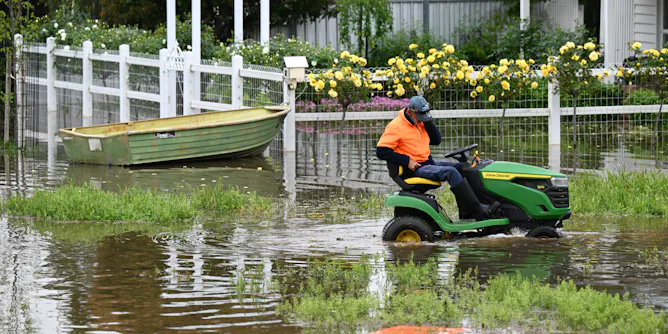
Fluctuations in the path of storms over the Australian continent can influence the conditions delivered by an El Niño or La Niña.
Articles on El Nino
Displaying 81 - 100 of 281 articles
Contrary to popular belief, new research shows the abrupt, often gale force wind changes known as “southerly busters” are becoming more frequent, but less severe, as the climate changes.
Spring 2024 was menacing for large parts of the US, with a tornado nearly every day in May. Tornado outbreaks tore up communities across multiple states.

The El Niño drought in Malawi decimated the maize harvest this year. It has left the country with few options other than importing food.
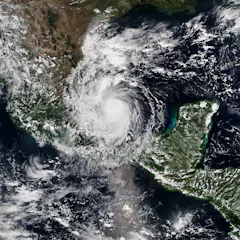
NOAA issued its busiest preseason hurricane forecast yet, with the second highest accumulated cyclone energy. An atmospheric scientist explains what’s behind the numbers.

Sweet sorghum has multipurpose post-harvest uses. It can produce grains, animal feed and sugary juice, making it unique among crops.
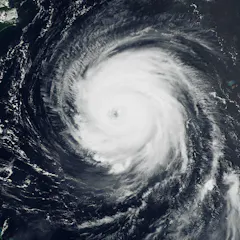
Vertical wind shear can keep tropical storms in check, particularly during El Niño years. When El Niño is gone, it’s a different story.
Option price swings show how much traders believe seasonal climate and weather matters for all sorts of industries, not just the ones you might expect.
After a year of record-breaking global heat with El Niño, will La Niña bring a reprieve? That depends on where you live and how you feel about hurricanes.
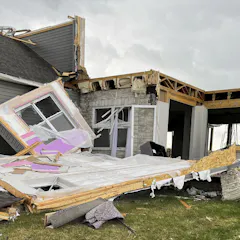
A powerful storm system produced dozens of destructive tornadoes over three days that tore apart homes in Oklahoma, Nebraska and Iowa. A meteorologist explains the conditions that fueled them.

Lake Kariba stretches between Zimbabwe and Zambia. Its residents are bearing the brunt of a climate change-induced drought, with fish supplies dwindling and human-wildlife conflict occurring.

Weather forecasting is improving at a great rate, even though climate change could be making it tougher.
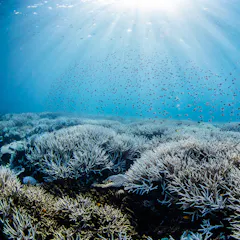
Heat is surging in the world’s oceans. Climate change and El Niño explain part of it – but not all.
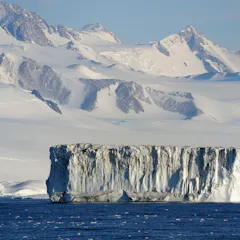
El Niño can direct more warm water to the base of West Antarctic ice shelves, accelerating melting and increasing global sea level.
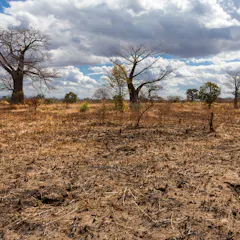
Governments in southern Africa don’t invest enough in weather forecasting and fail to work together to prepare for natural disasters, leaving the most vulnerable exposed to successive droughts.
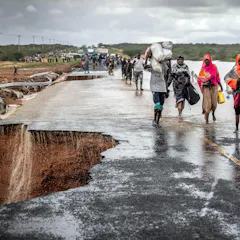
Projections show that there’ll be Indian Ocean dipoles in the future – and that means more rainy days, and more extreme rainfall.
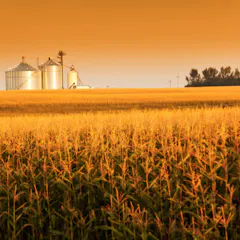
The whole southern Africa region has taken strain and will see a significant reduction in the volume of the crop produced.
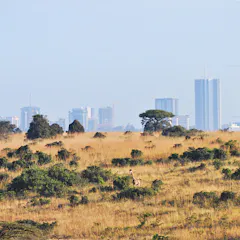
The winds passing over Kenya flow in waves and periodically bring hot weather, the kind that has prevailed recently across east Africa.
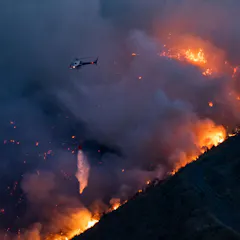
The recent Port Hills fires highlight the increasing wildfire risks caused by climate change. Reducing the threat is going to take a shift in strategy, investment and community engagement.
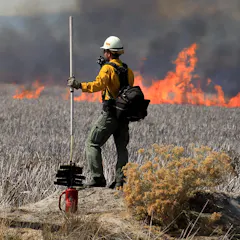
A hot, dry summer on the heels of a wet winter raises the risk of wildfires.
Top contributors
-

ARC Future Fellow and Associate Professor in Climate Science, ARC Centre of Excellence for 21st Century Weather, The University of Melbourne
-
Adjunct Professor (Practice) in Climate Science, School of Earth, Atmosphere and Environment, Monash University
-
Senior Climatologist, Australian Bureau of Meteorology
-
Senior Research Associate, UNSW
-
Chief Research Scientist, Oceans and Atmosphere, CSIRO, CSIRO
-
Postdoctoral Research Fellow in Atmospheric Sciences, The University of Melbourne
-
Distinguished Scholar, National Center for Atmospheric Research; Affiliate Faculty, University of Auckland, Waipapa Taumata Rau
-
Lecturer, Climate Science Geography, The University of Melbourne
-
Principal Research Scientist, CSIRO
-
Climate Scientist, Australian Bureau of Meteorology
-
Climate scientist, Australian Bureau of Meteorology
-
Director of the ARC Centre of Excellence for Our Future Oceans and Scientia Professor in Oceanography, UNSW
-
Lecturer, School of Agriculture, Food and Ecosystem Sciences, The University of Melbourne
-
Assistant Professor of Environmental Studies, University of Tampa
-
Director of the Climate Hazards Center, University of California, Santa Barbara