
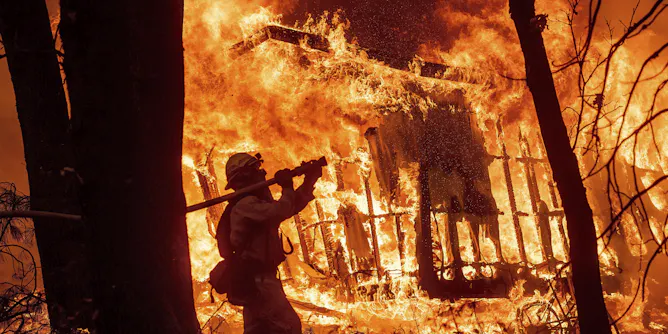
With the dire consequences of climate change looming, archaeologists recognize the importance of communicating their findings on ancient landscapes and the threats that face vulnerable populations.
Articles on El Nino
Displaying 161 - 180 of 262 articles
Water and power cuts prompted by reduced rainfall and drought in Southern Africa have caused major problems for business.
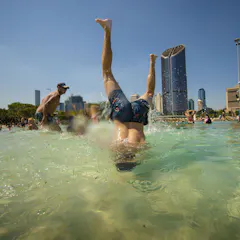
The summer forecast from the Bureau of Meteorology predicts a hot, dry summer.

The forecast arrival of El Niño may mean the east coast of Australia will experience an exceptionally hot and dry summer, but does this mean there will be fewer mosquitoes buzzing about?
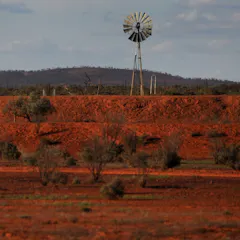
After the warmest month on record, it looks like Australia will have an El Niño event – which means the drought is likely to continue.
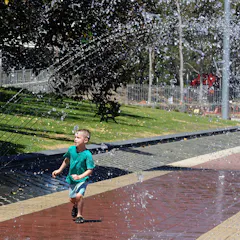
Record-breaking April heat is likely to continue for at least another month.
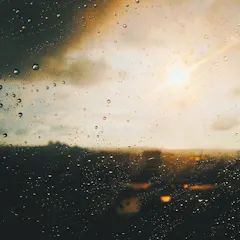
The Bureau of Meteorology’s climate outlook for April to June is ‘neutral’, but that doesn’t mean we’re flying blind, weather-wise.
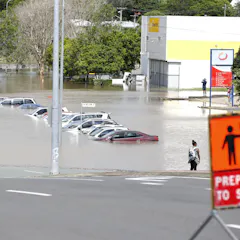
Engineering practice assumes that floods are randomly distributed but science suggests they are not. This raises questions about the reliability of flood infrastructure and management strategies.
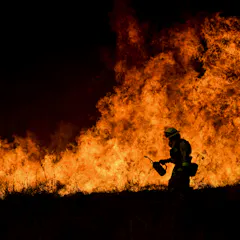
A survey of recent global trends in temperature and rainfall – and a lesson for Mr Trump on the difference between weather and climate.

Climate change is raising global sea levels. Now research shows that ‘hot spots’ where seas rise another 4 to 5 inches in five years can occur along the Atlantic and Gulf coasts, further magnifying floods.
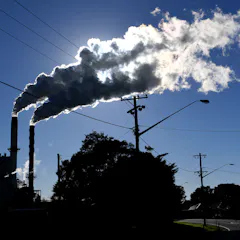
After three years in which global carbon emissions scarcely rose, 2017 has seen them climb by 2%, as the long-anticipated peak in global emissions remains elusive.
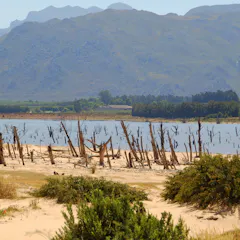
Cape Town promised alternative water sources with the ongoing drought being declared a disaster. Its main strategy is water rationing but climate models are also being used.
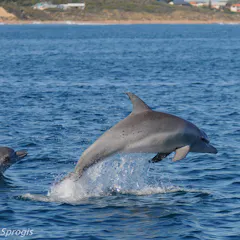
The dolphin population in parts of Western Australia more than halved one year, just as an El Niño event hit over in the Pacific. So what’s the connection?
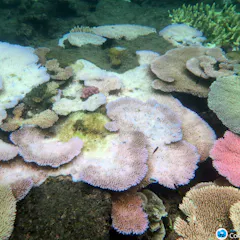
Regional variations in sea temperature can make all the difference between a coral reef suffering major bleaching or surviving as a refuge for corals, new research shows.
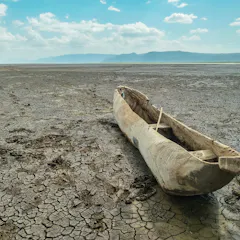
It’s very easy to assume climate change causes droughts, but they are complex extreme events that result from a combination of drivers.
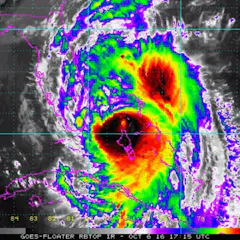
Two atmospheric scientists explain how they weigh evidence such as ocean temperatures, wind speeds and other climate patterns to predict how many Atlantic hurricanes are likely to form this year.
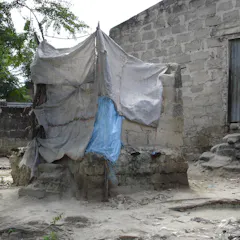
Cholera kills thousands every year but is treatable if it is caught early. Understanding how El Niño shifts cholera risks in Africa can help countries prepare for outbreaks and save lives.
If the Pacific Ocean enters an ‘El Tio’ phase, it could speed the world towards 1.5 degrees of global warming, one of the crucial benchmarks of the Paris Climate Agreement.
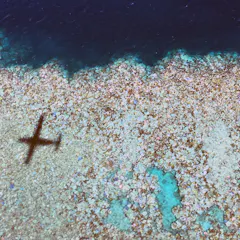
For the first time the Great Barrier Reef has been hit by mass bleaching in consecutive years, with only the reef’s southernmost stretches having escaped both events unscathed.
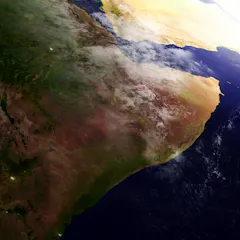
Everything you need to know about the ‘Indian Ocean Dipole’ climate phenomenon.
Top contributors
-

ARC Future Fellow and Associate Professor in Climate Science, ARC Centre of Excellence for 21st Century Weather, The University of Melbourne
-
Adjunct Professor (Practice) in the School of Earth, Atmosphere and Environment, Monash University
-
Senior Research Associate, UNSW
-
Senior Climatologist, Australian Bureau of Meteorology
-
Postdoctoral Research Fellow in Atmospheric Sciences, The University of Melbourne
-
Distinguished Scholar, National Center for Atmospheric Research; Affiliate Faculty, University of Auckland, Waipapa Taumata Rau
-
Chief Research Scientist, Oceans and Atmosphere, CSIRO, CSIRO
-
Principal Research Scientist, CSIRO
-
Climate Scientist, Australian Bureau of Meteorology
-
Climate scientist, Australian Bureau of Meteorology
-
Lecturer, School of Agriculture, Food and Ecosystem Sciences, The University of Melbourne
-
Director of the ARC Centre of Excellence for Our Future Oceans and Scientia Professor in Oceanography, UNSW
-
Lecturer, Climate Science Geography, The University of Melbourne
-
Director of the Climate Hazards Center, University of California, Santa Barbara
-
Senior Research Scientist, CSIRO