
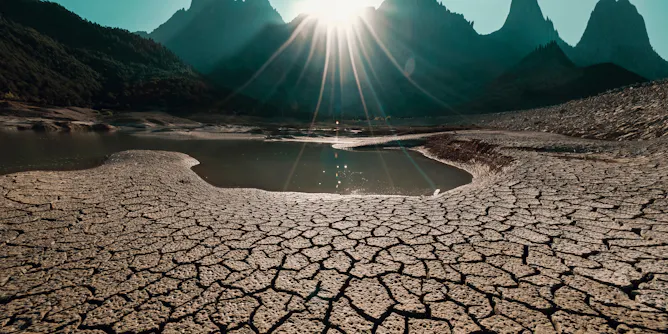
Climate and geopolitical shocks – from El Niño, global heating or wars – hit a food system which already magnifies environmental and social vulnerabilities.
Articles on El Nino
Displaying 61 - 80 of 281 articles
Twin cyclones helped trigger massive ocean warming in the Pacific. But whether that leads to a strong El Niño is still uncertain. Here’s what you need to know.
It’s been a very warm and dry autumn for much of southern Australia – and winter looks set to be similar.
Media reports have suggested a “super” El Niño is looming. The problem is, these autumn forecasts are notoriously unreliable.
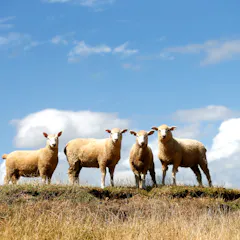
Past El Niño events have brought drought and disruption to New Zealand. What might the coming one spell?

Solar cycles, sea ice and rising electricity use all play a role. So does an unhealthy surprise that has been quietly hiding a large amount of global warming – until now.
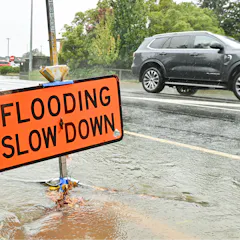
Understanding what is happening deep beneath the ocean surface is key to understanding the weather patterns we are experiencing on land.
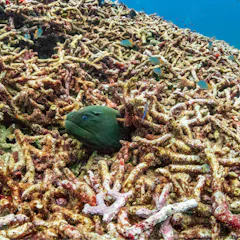
Many coral reefs are already very vulnerable, and another El Niño is forecast.

What do the next few months hold, weather-wise? For clues, we can look to the oceans around Australia.
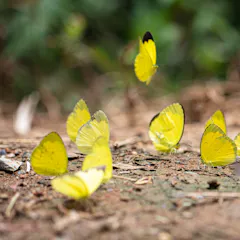
The research suggests the life-support system underpinning the tropics is at serious risk in a warmer world.
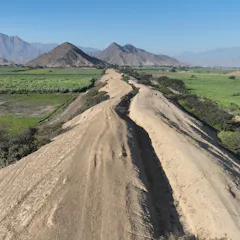
Ancient practices hold important lessons for farmers facing drying lands, but they were often more complex than modern societies realize. Glacier loss adds to the challenge today.
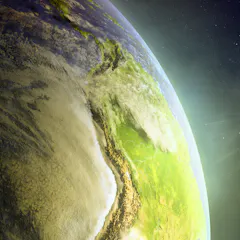
Human-driven ocean warming is increasingly overwhelming El Niño, La Niña, and other natural climate patterns.
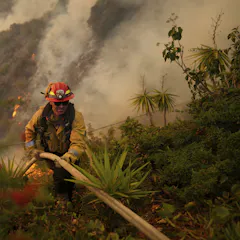
It’s vital to understand how climate drivers played out before and during the LA wildfire emergency – because many Australian cities face the same climate risks.
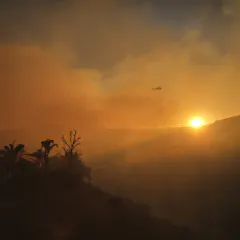
This record-breaking heat is primarily driven by humanity’s burning of fossil fuels. The warming won’t stop until we reach net-zero emissions.

The oceans have been much warmer than average for the past two years, and the planet just set another global heat record. What’s going on?

Reports of a rare summer La Niña are premature. It is also foolish to look at such climate drivers in isolation. But seasonal forecasting is becoming more complicated as the planet warms.

With Hurricanes Helene and Milton reminding us of the destructive force of such storms, the tropical cyclone forecast for Australia is for an average number but with a higher risk of severe cyclones.
Signs of this potential La Niña are emerging fairly late. But new research may help make predictions earlier.
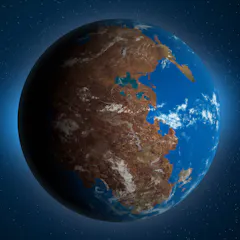
We modelled the climate during this period and discovered episodes of intense ocean heating.
The global average temperature could continue to hover around 1.5°C for several years.
Top contributors
-

ARC Future Fellow and Associate Professor in Climate Science, ARC Centre of Excellence for 21st Century Weather, The University of Melbourne
-
Adjunct Professor (Practice) in Climate Science, School of Earth, Atmosphere and Environment, Monash University
-
Senior Climatologist, Australian Bureau of Meteorology
-
Senior Research Associate, UNSW
-
Chief Research Scientist, Oceans and Atmosphere, CSIRO, CSIRO
-
Postdoctoral Research Fellow in Atmospheric Sciences, The University of Melbourne
-
Distinguished Scholar, National Center for Atmospheric Research; Affiliate Faculty, University of Auckland, Waipapa Taumata Rau
-
Lecturer, Climate Science Geography, The University of Melbourne
-
Principal Research Scientist, CSIRO
-
Climate Scientist, Australian Bureau of Meteorology
-
Climate scientist, Australian Bureau of Meteorology
-
Director of the ARC Centre of Excellence for Our Future Oceans and Scientia Professor in Oceanography, UNSW
-
Lecturer, School of Agriculture, Food and Ecosystem Sciences, The University of Melbourne
-
Assistant Professor of Environmental Studies, University of Tampa
-
Director of the Climate Hazards Center, University of California, Santa Barbara