
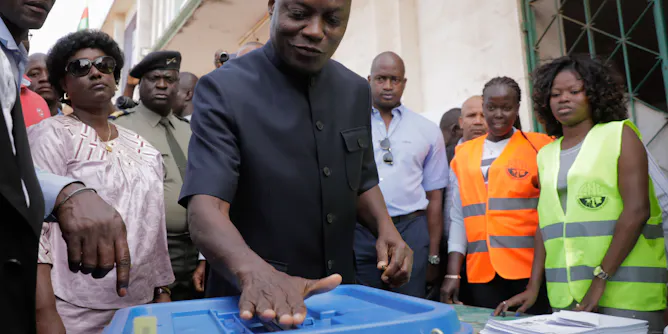
There are reasons to be cautiously optimistic about Bissau-Guinean politics going forward.
Articles on Democracy in Africa
Displaying 121 - 140 of 258 articles
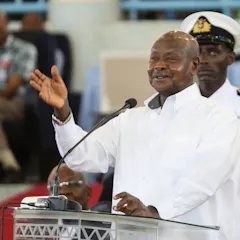
The ruling National Resistance Movement has undermined Uganda’s democracy
After recent elections, South Africa are grappling with what the reasons are for the declining trend in youth participation in the 2019 elections.
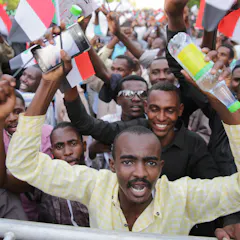
The killing of protesters by the Sudanese military signifies its reluctance to hand over power, as demanded by the African Union.
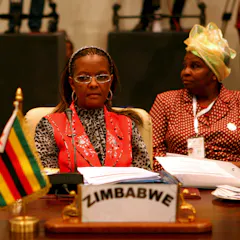
The presidents’ wives hold a lot of sway within the political power structure.
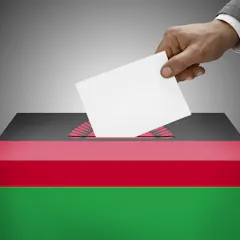
It’s an achievement in itself that Malawi is holding its sixth multi-party national elections since its transition from dictatorship under former President Kamuzu Banda.
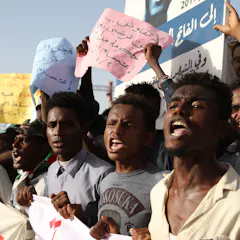
The African Union’s policy offers no wriggle room for a discretionary response to coups, a scourge that imperils the consolidation of democracy.
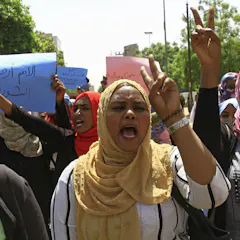
There are challenges that Sudan must overcome before power is transferred to its people.
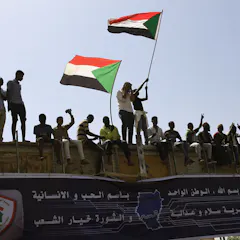
The role of the military in toppling authoritarian rulers, after intensive popular protests, raises questions about how the AU’s policy against coups should be applied.
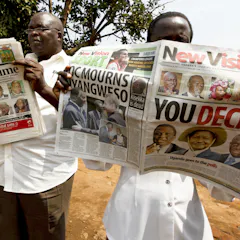
The biggest threats are the concentration of media ownership and attempts to legislate the online media environment.
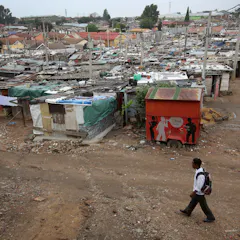
As South Africa marks 25 years of freedom, many citizens have to contend with the harsh reality that they can’t eat democracy.
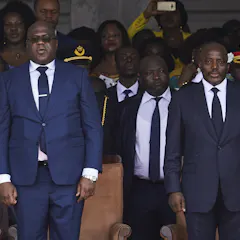
The Democratic Republic of Congo has implemented power-sharing agreements before but none of them have worked.
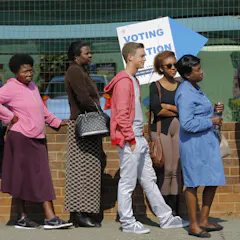
South Africa’s polls have been praised for adhering to international election best practice. But, they are not without problems.
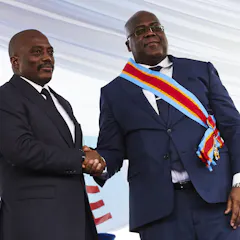
The Democratic Republic of Congo’s new leader Felix Tshisekedi is being undermined by the outgoing regime of Joseph Kabila.
A dictionary of African politics reveals the witty and insightful political terminology that people in different African countries use.
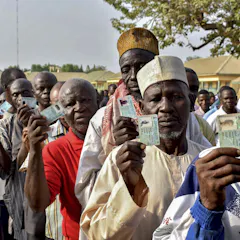
After a long history of botched elections, Nigerians are hopeful that the 2019 poll results will be more credible.
Shutting down or controlling access to the internet has become a go-to strategy among some African states who want to control the political narrative.
Democratic and authoritarian countries are moving further away from each other.
Opening up positions of political power to women will lead to effective and better implemented development policies.
There are question marks over whether Nigeria’s upcoming elections will be credible.
Top contributors
-

Professor of Democracy, University of Birmingham
-
Extraordinary Professor, Department of Political Sciences, University of Pretoria
-
Professor of Sociology, University of the Witwatersrand
-
Associate Professor of International Studies, University of Nottingham
-
Lecturer in African History, Queen Mary University of London
-
Professor of Political Studies, University of Johannesburg
-
Extraordinary Lecturer, University of Pretoria
-
Research Associate, Dept of Anthropology & Development Studies and Fellow, Clare Hall, University of Cambridge, University of Johannesburg
-
Professor in Political Science, University of South Africa
-
Professor, Department of Political Sciences, University of South Africa
-
Head of Department, Public and Environmental Law Department, University of Limpopo
-
Senior Lecturer of Political Science, Georgia Gwinnett College
-
Emeritus Professor, University of Cape Town
-
Director of the Leaders of Africa Institute and Research Affiliate with Davidson College, Davidson College
-
Honorary Professor of International Relations, University of the Witwatersrand