
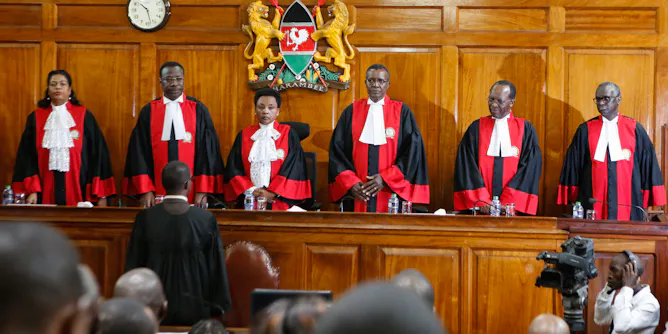
By pushing their usually valid complaints onto the streets and the courts, opposition leaders deny governments the popular goodwill and international credibility they need to govern effectively.
Articles on Democracy in Africa
Displaying 101 - 120 of 258 articles
Will the same electoral commission, so heavily criticised in the court’s ruling, improve its capacity and arrange more credible elections?
Many believe that it is only a return to the country’s two-state federation that will end the conflict and break the impasse.
Despite the dismantling of Sudan’s ruling party, the country’s autocratic leanings still pose a threat to democracy.
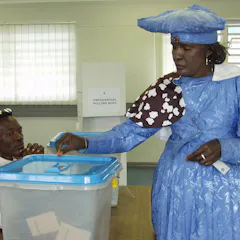
For the first time since independence, Namibia’s ruling party has suffered electoral setbacks in the midst of economic and political crisis.
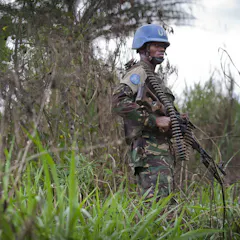
The independent strategic review, now before the Security Council, recognises many of the challenges ahead. But it appears overly sanguine about what can be achieved within a three-year period.
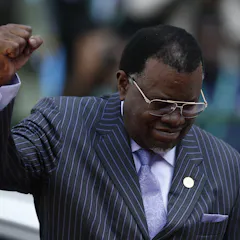
Namibia’s political stability so far has been vested in the dominance of Swapo. Those opposing its control face an uphill battle.

The Khamas have dominated Botswana’s politics since the 1870s, but they are now a discredited, spent force.
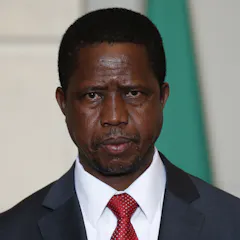
The unstable authoritarian pathway that many post-colonial African states followed was facilitated by the way in which European empires undermined democratic elements within African societies.
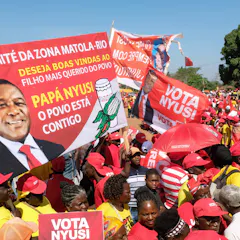
During the campaign, partisans of all political stripes were responsible for the violence. But Frelimo supporters were far more aggressive and violent.
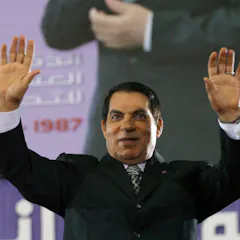
Crony capitalism became firmly embedded under Ben Ali, benefiting his family and close friends.
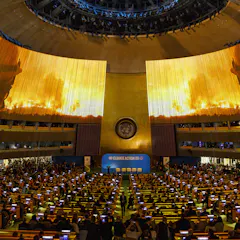
Africa has already felt the effects of Donald Trump’s climate change denialism. Recent events are also raising political issues of keen interest among the continent’s democrats.
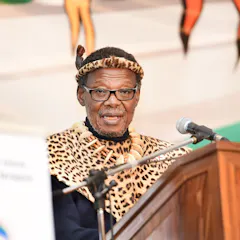
The IFP’s constitution provides that the nomination of national office bearers be approved by the branches. But this was not done in the nomination of its new president.
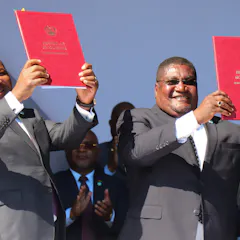
The splintering in Renamo has its origins in the unexpected death last May of Afonso Dhlakama, its leader of 39 years.

Where should we place Mugabe among the pantheon of African nationalists who led their countries to independence?
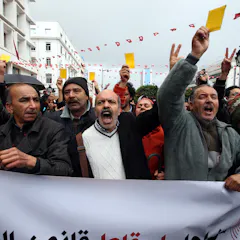
Western perceptions of what’s happening in Tunisia differ sharply with Tunisia’s daily reality: the truth is that its political transformation is in trouble.
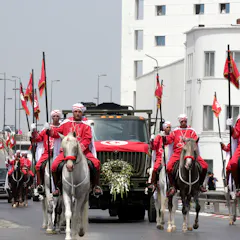
In death, President Mohamed Beji Caid Essebsi has left behind an unfinished revolution which now needs a new leader.
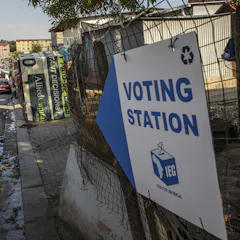
The election’s result endorses other evidence that trust in South Africa’s constitutional settlement and its political institutions is steadily declining.
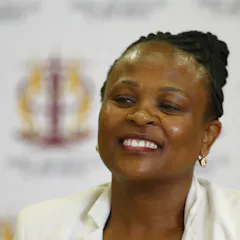
In this case, the appropriate conclusion about the Constitutional Court’s finding against the Public Protector is that there’s much to be comforted by.
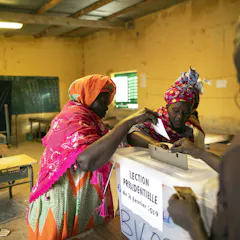
Africa’s democracies have grown stronger during a period in which the world is backsliding on democracy.
Top contributors
-

Professor of Democracy, University of Birmingham
-
Extraordinary Professor, Department of Political Sciences, University of Pretoria
-
Professor of Sociology, University of the Witwatersrand
-
Associate Professor of International Studies, University of Nottingham
-
Lecturer in African History, Queen Mary University of London
-
Professor of Political Studies, University of Johannesburg
-
Extraordinary Lecturer, University of Pretoria
-
Research Associate, Dept of Anthropology & Development Studies and Fellow, Clare Hall, University of Cambridge, University of Johannesburg
-
Professor in Political Science, University of South Africa
-
Professor, Department of Political Sciences, University of South Africa
-
Head of Department, Public and Environmental Law Department, University of Limpopo
-
Senior Lecturer of Political Science, Georgia Gwinnett College
-
Emeritus Professor, University of Cape Town
-
Director of the Leaders of Africa Institute and Research Affiliate with Davidson College, Davidson College
-
Honorary Professor of International Relations, University of the Witwatersrand