
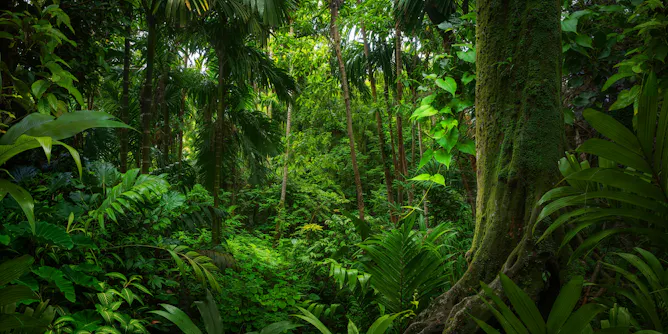
Some of South America’s tropical forests effectively stopped absorbing carbon during the 2015-2016 El Niño.
Articles on Climate change
Displaying 301 - 320 of 8779 articles

Bumblebees are being affected by heat and other factors this summer.

Three climate-related factors have loaded the dice for a drier and warmer winter this year.

Too often, Australian authorities have relied on ad hoc preparations for the droughts and bushfires made more likely by El Niño.
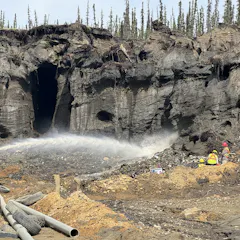
Permafrost holds an extraordinary molecular record of ancient life — and we are only now learning to read it, just as warming begins to erase it.

New evidence suggests a massive centuries-long drought may be part of the answer.
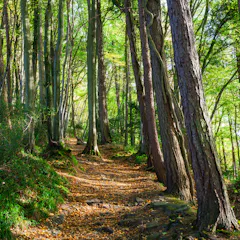
British trees struggle to survive as temperatures get higher, and many die.

The challenge is not a lack of evidence. It is a lack of urgency.
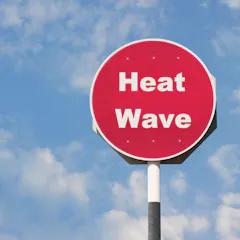
The hottest days show how poorly prepared our homes and energy systems are for the current climate – and the climate to come.
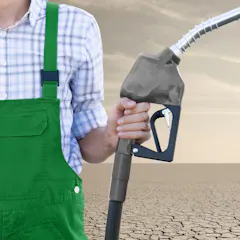
If many countries take the stance that ‘we’re only contributing 1% of global emissions’, responsibility dwindles and action stalls.

Birds that migrate longer distances are the ones having the most trouble keeping up with climate change.

Academics have been testing out how best to deal with heatwaves in two neighbouring homes to see what works.

A new study unpacks how Victoria’s eucalypt forests have coped with past bushfires – with lessons for the future.

Rolling out a new program to encourage electric hot water could slash household costs and cut emissions.
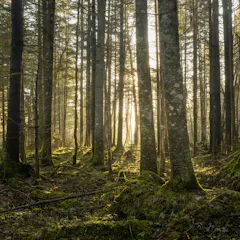
Relocating trees to protect forests struggling with climate change seems promising, but the extreme complexity of ecosystems poses challenges.
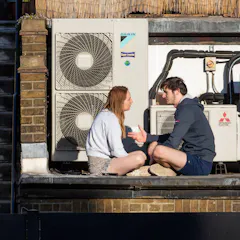
About 4% of UK homes have air conditioning, concentrated in wealthier households.

New modelling suggests hotter summers could place new demands on NZ’s electricity system, increase heat-related deaths and hit vulnerable people hardest.

A proposed law change would end an activist’s landmark climate case. It also raises questions about whether NZ’s domestic laws match its global commitments.

More than 90% of the heat trapped by greenhouses goes into the ocean. But what happens in the oceans doesn’t stay there.

A public health researcher explains the signs to watch for that someone is developing heat exhaustion or heat stroke, and what to do.
Top contributors
-

Professorial Fellow, University of Canberra
-
ARC Future Fellow and Associate Professor in Climate Science, ARC Centre of Excellence for 21st Century Weather, The University of Melbourne
-
Chief Research Scientist, CSIRO Environment; Executive Director, Global Carbon Project, CSIRO
-
Research Associate, Institute for Climate Risk and Response, UNSW
-
Professor of Earth System Science, UCL
-
Professor, School of Economics, The University of Queensland
-
Professor, Crawford School of Public Policy and Director, Centre for Climate and Energy Policy, Australian National University
-
Adjunct professor, UNSW
-
Former Visiting Fellow, SPRU, University of Sussex Business School, University of Sussex, University of Staffordshire
-
Professor Emeritus in Climate Science, The University of Melbourne
-
Assistant Director of the Global Systems Institute, University of Exeter
-
Professor of International Relations, The University of Queensland
-
Deputy Director, Engagement and Impact, The ARC Centre of Excellence for the Weather of the 21st Century, Australian National University
-
Chair of Cognitive Psychology, University of Bristol
-
Senior Research Fellow, Melbourne School of Psychological Sciences, The University of Melbourne