
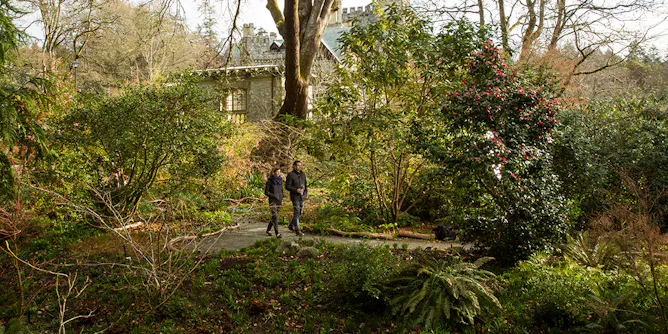
Universities must develop an intentional, place-based approach to research and teaching that’s organized around a region’s unique and specific problems.
Articles on Climate change
Displaying 221 - 240 of 8668 articles

A 35°C heatwave really does “feel worse” in the UK than in many other countries.

Tourist destinations can do more to encourage travellers to use public transport.

Most states know that without widely understood and accepted international laws and principles it would be harder to resolve their disagreements peacefully.
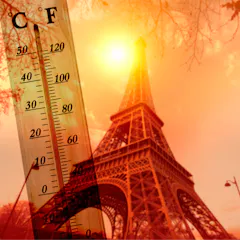
As people across Europe are having to acclimatise to an unprecedented heatwave, coordinated responses for tackling extreme heat need to come from the top, and there’s no time to lose.
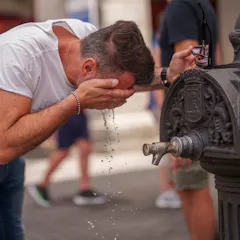
A climate expert unpacks the potential causes and risks of extreme heat.
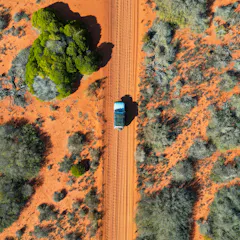
Climate change is disproportionately affecting remote First Nations communities – as three experts explain.
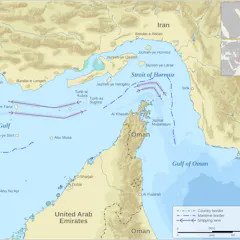
As the Strait of Hormuz reopens, a new study reveals what the agri-food industry’s priorities should be to overcome such an unprecedented logistical challenge.
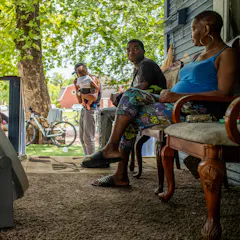
Heat waves can be dangerous, and the conditions indoors can be worse than outdoors. A study of all the single-family homes in Austin, Texas, shows why.
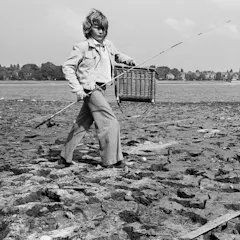
For 15 consecutive days, temperatures were over 32°C. Today, heatwaves are 3°C or 4°C hotter.

This historic case could establish a legal link between human rights and fossil fuel exports.
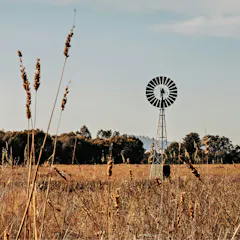
Australia isn’t likely to face food shortages anytime soon. But hotter, drier weather could still take a toll on many local economies and communities.
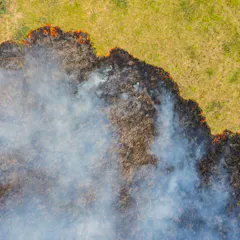
Studying the scale and intensity of previous fires can help us to detect thermal hotspots earlier and support faster, smarter crisis response and post-fire restoration.

At the heart of combating misinformation is critical thinking and recognizing when you’re being spun for corporate profit.
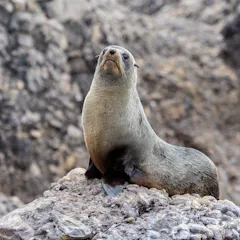
Marine species are increasingly battling intense storms and heatwaves – four experts explain why this matters.
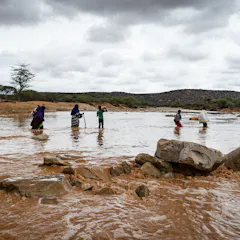
Global warming is moving faster than the policy decisions that could protect vulnerable populations.

The heatwave in May meant people started to use more water to stay cool, and on their plants.

Victorian architects knew how to design homes to stay cooler, and their techniques could be used today.
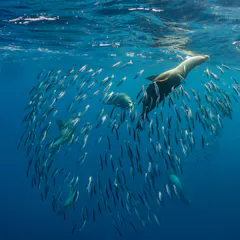
A dip in anchovy stocks is not only vital for Peru’s economy, but also essential for supporting fish farming and food production worldwide.
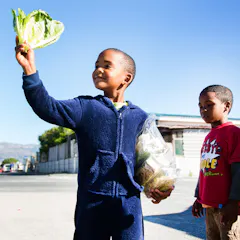
As food and living costs rise, rooftop solar and rainwater harvesting could help low income South African households save money and buy more food.
Top contributors
-

Professorial Fellow, University of Canberra
-
ARC Future Fellow and Associate Professor in Climate Science, ARC Centre of Excellence for 21st Century Weather, The University of Melbourne
-
Chief Research Scientist, CSIRO Environment; Executive Director, Global Carbon Project, CSIRO
-
Professor of Earth System Science, UCL
-
Research Associate, Institute for Climate Risk and Response, UNSW
-
Professor, School of Economics, The University of Queensland
-
Adjunct professor, UNSW
-
Professor, Crawford School of Public Policy and Director, Centre for Climate and Energy Policy, Australian National University
-
Former Visiting Fellow, SPRU, University of Sussex Business School, University of Sussex, University of Staffordshire
-
Professor emeritus, The University of Melbourne
-
Assistant Director of the Global Systems Institute, University of Exeter
-
Professor of International Relations, The University of Queensland
-
Deputy Director, Engagement and Impact, The ARC Centre of Excellence for the Weather of the 21st Century, Australian National University
-
Chair of Cognitive Psychology, University of Bristol
-
Senior Research Fellow, Melbourne School of Psychological Sciences, The University of Melbourne