
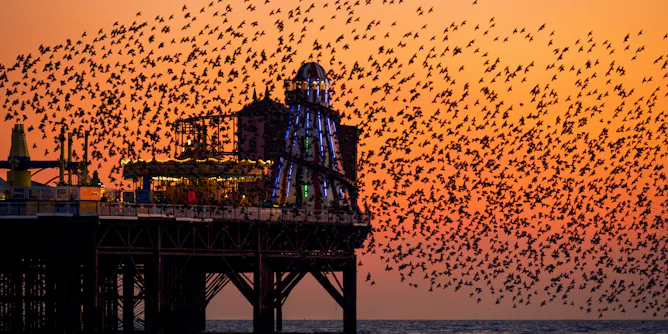
Twelve years after a study into why starlings murmurate, researchers are asking the public to help discover whether these spectacular displays are changing.
Articles on Citizen science
Displaying 1 - 20 of 217 articles

We may know accent bias, but how should we respond to it?
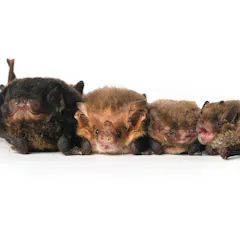
A new study into microbats used so-called bat detectors to help track them down.
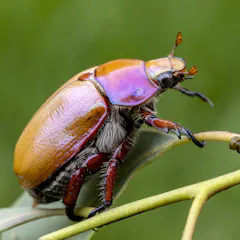
Spring is the perfect time to get outside and appreciate our tiniest critters.

Ordered kingfish sashimi recently? A parasite can infect some fish, yet they still look and taste the same when raw.
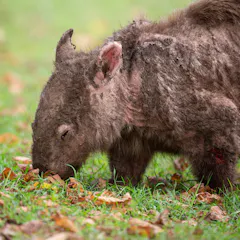
The tiny scabies mite burrows beneath the skin of many animals, including Australia’s bare-nosed wombat.
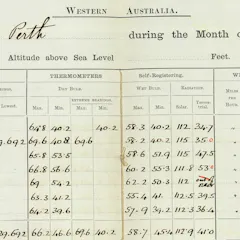
How did Australia’s climate fluctuate before the large-scale burning of fossil fuels? Old records can help us find out.
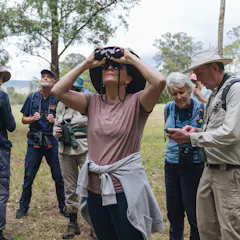
Scientists and authorities are increasingly calling for help from citizen scientists to track species and changes.

Publishing and having access to scientific articles is an expensive business for research institutions. Fortunately, there are content providers out there who deliver rigorous material that’s free of charge.

A group of researchers examine the communication barriers impacting social science professionals’ credibility and how people make sense of their expertise.

Citizens are taking water testing into their own hands as sewage spills in rivers and on beaches increasingly get reported.
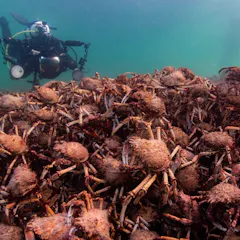
Citizen science relies on people like you. Here are five projects where science lives beyond the lab.
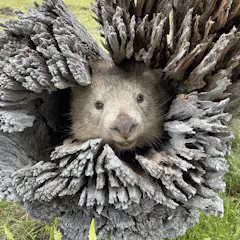
From wombat and mozzie surveillance to deciphering climate history and spotting star explosions, citizen scientists are instrumental in contributing knowledge.
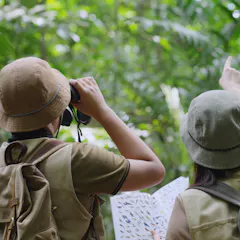
Citizen science offers people something simple but powerful: a reason to step outside, pay attention, and reconnect with the living world around them.
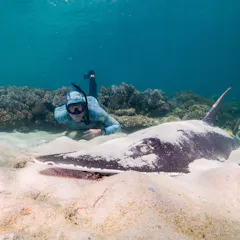
Citizens have contributed to science in Australia for many decades – and the field is now undergoing rapid growth

Threatened frogs aren’t just found in national parks – citizen scientists are finding them throughout private land too.
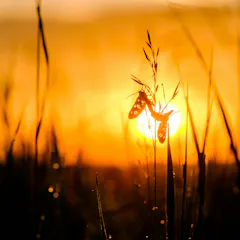
Insects have a range of fascinating ways to keep cool. We can help them too.

In Borneo’s remote villages, locals earn money by recording wildlife — reshaping conservation and redefining how communities value their forests.
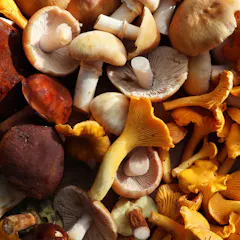
Two ethnobiologists at Penn State surveyed over 800 mushroom harvesters in the mid-Atlantic region to understand what they’re hunting and why.
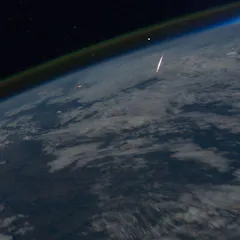
Hundreds of meteorites fall to Earth each year. If you’re lucky enough to find one, here’s what to do.
Top contributors
-

Curator, Amphibian & Reptile Conservation Biology, Australian Museum, UNSW
-
Professor of Science Communication and Chemistry, University of Hull
-
Lecturer, School of Life and Environmental Sciences, University of Sydney
-
Sector Lead, Atlas of Living Australia, CSIRO
-
Dean Students, College of Health, Adelaide University
-
Associate Professor in Ecology and Evolution, UNSW
-
Associate Professor, Animal Anatomy and Physiology, Charles Sturt University
-
Adjunct Fellow, Institute for Sustainable Futures, University of Technology Sydney
-
Research Fellow at the University of Sydney, University of Sydney
-
Clinical Associate Professor, School of Medical Science & Sydney Infectious Diseases Institute; Principal Hospital Scientist, University of Sydney
-
Postdoctoral Fellow, Evolution & Ecology Research Centre, UNSW Sydney, UNSW
-
Associate Professor in Biology, Zoology and Animal Science, Western Sydney University
-
Associate Teaching Professor of Meteorology and Atmospheric Science and Manager of the Joel N. Myers Weather Center, Penn State
-
Honorary Fellow, Space and Astronomy, CSIRO; Western Sydney University
-
Chair of ARC Centre of Excellence for Quantum Biotechnology, The University of Queensland