
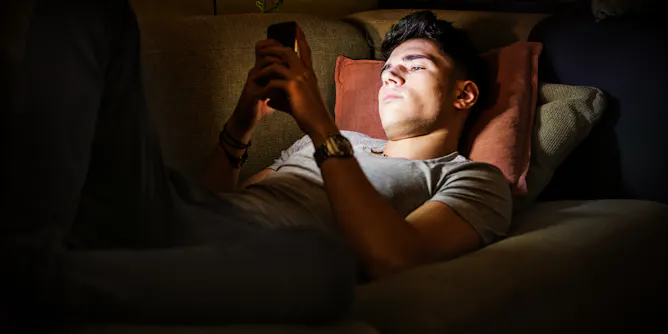
Largest study to date finds link between disturbed circadian rhythm and mood disorders.
Articles on Circadian rhythms
Displaying 101 - 120 of 161 articles
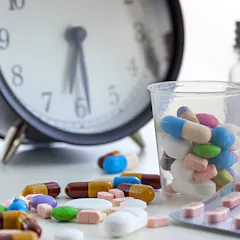
Circadian clocks regulate the timing of hundreds of processes in the cell, suggesting that matching medications with your biological clock could improve the outcome

A recent study suggested that a chemical responsible for getting the body ready for sleep was suppressed in children by too much evening light. A circadian rhythm expert explains the dangers.

Pity the poor night owls of the world, who already must adjust to a life that doesn’t align with their natural sleep patterns. Now it appears that being a night owl even raises the risk of death.
The shift from daylight saving time will leave kids’ body clocks an hour “out of sync”, in a similar way to jet lag. Here are some evidence-based strategies to deal with this.

Most Americans dread the time switch to daylight saving time, which results in a loss of an hour’s sleep. The downside is more serious than that – it can lead to workplace injuries and traffic fatalities.
Science shows that early starts can be bad for teenagers’ health. Schools and universities would be better off starting at 10am.

A recent study shows plankton that have adapted to road salt have disrupted circadian rhythms. This finding suggests that environmental pollutants could also affect human circadian clocks.
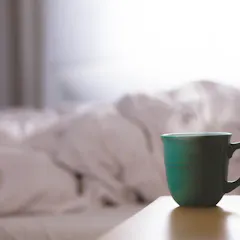
If you need an alarm to get up in the morning, you’re probably not getting enough sleep.
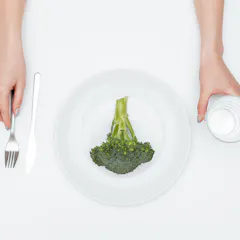
It comes down to what and how much you eat over the day, rather than when you eat most of your food.
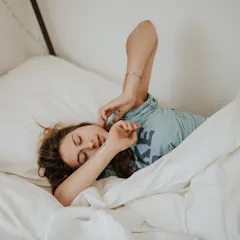
It’s normal to feel a bit groggy when you wake up – parts of your brain are still asleep.

Step-by-step travel tips - including how to use those fancy blue light goggles - if you’re travelling East to West, or West to East these holidays.
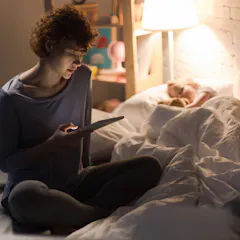
Children with an irregular bedtime performed worse on cognitive tests, had worse behaviour and were more likely to be obese than others.
Precisely calibrated timekeepers are found in organisms from all domains of life. Biologists are studying how they influence plant/pathogen interactions – what they learn could lead to human medicines.
Evidence for a link between breast cancer and artificial light appears to be growing. Do studies showing higher risk of breast cancer the farther west a woman lives in a time zone add to the science?
Biological clocks set the pace for nearly all living things, and Jeffrey Hall, Michael Rosbash and Michael Young – awarded the Nobel Prize in Physiology or Medicine – helped us understand how.
Americans Jeffrey Hall, Michael Rosbash and Michael Young share the 2017 Nobel Prize in Physiology or Medicine for work that explained how our cells keep track of time.
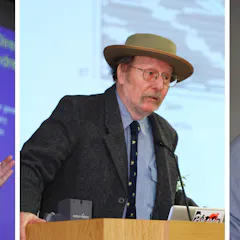
The winners of the Nobel Prize in Physiology or Medicine discovered how our internal body clock works.

Whether you’re a night owl or a morning lark, circadian rhythms control just about every aspect of your health.
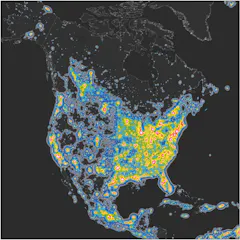
Study uses satellite data to add to growing evidence that nighttime light exposure raises risk of breast cancer, with the strongest link among young women.
Top contributors
-

Emeritus Professor of Psychology, Adelaide Institute for Sleep Health, Flinders University
-
Professor, School of Medicine, University of Connecticut
-
Professor of Neurology and Pediatrics, Vanderbilt University
-
Director, Appleton Institute, CQUniversity Australia
-
Associate Professor, Physiology of Circadian Rhythms, Institute for Molecular Bioscience, The University of Queensland
-
Lecturer, University of Cambridge; Anglia Ruskin University
-
Research fellow, The University of Queensland
-
Associate Professor of Neurology, University of Pittsburgh
-
Conjoint Senior Lecturer, School of Medicine and Public Health, University of Newcastle
-
Professor of Chronobiology and Integrative Physiology, University of Surrey
-
Personal Chair in Nutrition, The Rowett Institute, University of Aberdeen
-
Professor (Assoc), School of Pharmacy and Biomolecular Sciences (PBS), RCSI University of Medicine and Health Sciences
-
Associate Professor, Cognitive and Affective Neuroscience, University of Southampton
-
Associate Professor of Physical & Biological Sciences, University of California, Santa Cruz
-
Professor of Endocrinology, University of Oxford