
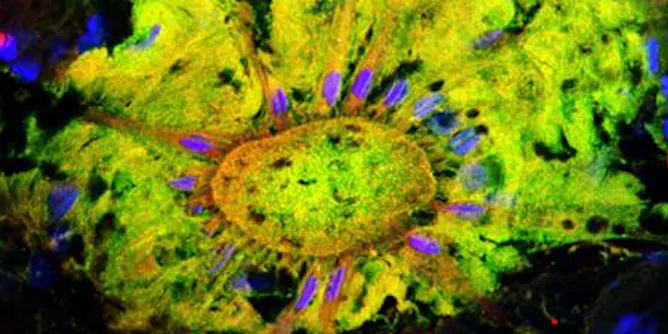
We’re used to thinking of our eyes detecting light as the foundation of our visual system. But what’s going on in other cells throughout the body that can detect light, too?
Articles on Circadian rhythms
Displaying 121 - 140 of 161 articles

How to eat yourself brighter.
Children with ADHD are much more likely than other kids to struggle getting to sleep, and staying asleep. Up to 73% of Australian parents report their child with ADHD has problems sleeping.
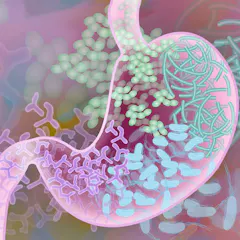
New research suggests our gut microbes have their own circadian rhythms that in turn influence our organ functions. Is this an explanation for how disrupting our daily patterns can cause health problems?
Gaining a better sense of what genes are involved in regulating circadian clocks could put us on a path to find better treatments and therapies to help people adjust to time shifts.

The wrong kind of light can seriously impact your well-being.
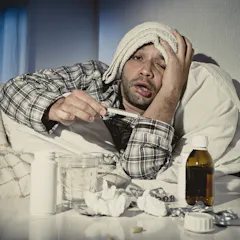
Stay away from viruses in the early morning – and in winter.

Eighty percent of North Americans can no longer see the Milky Way at night. But the problem with light pollution isn’t just about stargazing.
Saturated fats are linked to metabolic disorders and heart disease. That may be because thes fats make some cells lose track of time, causing inflammation.
CC BY-ND31.9 MB (download)
A podcast on time: telling it, perceiving it, doing it and travelling through it.

New research suggests disrupted sleep patterns could have more impact on some measures of women’s performance than men’s.
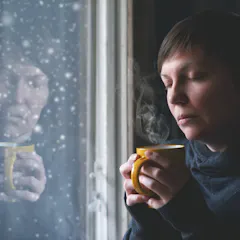
It might be that teaching people to reframe their thoughts about winter can help them overcome seasonal affective disorder year after year.
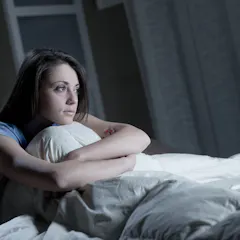
What your sleep patterns may say about your risk of developing mental illness.
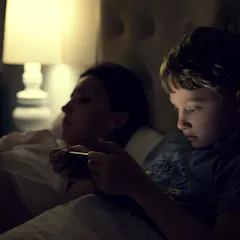
Is electricity making us sleep less? A new study on sleep in preindustrial societies suggests the answer is no. But it misses a big point: people in preindustrial societies spend more time in darkness than we do.
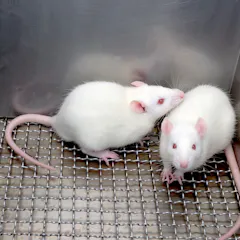
How does one prove that shift work causes breast cancer, as the authors of the new study claim? A cancer epidemiologist explains how scientists weigh evidence to figure out what causes cancer.
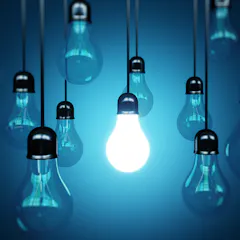
Today, most of us get too little light during the day and too much at night for our circadian rhythm to function at its best.
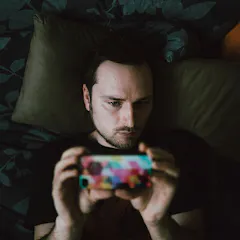
While many of these devices, especially e-readers, seem harmless enough, the light they emit may affect our sleep patterns and leave us feeling tired the next day.
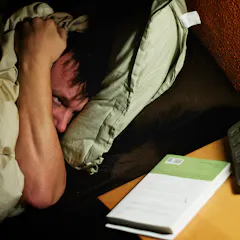
We all have a poor night’s sleep from time to time: those nights when you lie awake for hours trying desperately to go to sleep but can’t stop worrying about tomorrow. Or when you repeatedly wake up throughout…
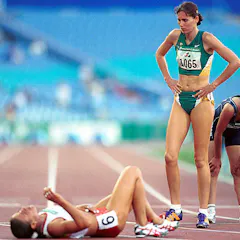
Athletic performance can vary over the course of the day by up to 26%, depending on the athlete’s circadian rhythm, according to research published in the journal Current Biology. The study illustrates…
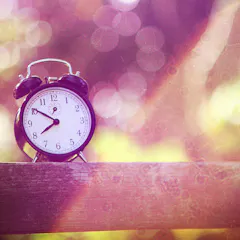
It’s 6.30am and after a long holiday break, your alarm clock is insistently telling you it’s time to get out of bed. For many people – me included – the automatic reaction is to hit the snooze…
Top contributors
-

Emeritus Professor of Psychology, Adelaide Institute for Sleep Health, Flinders University
-
Professor, School of Medicine, University of Connecticut
-
Professor of Neurology and Pediatrics, Vanderbilt University
-
Director, Appleton Institute, CQUniversity Australia
-
Associate Professor, Physiology of Circadian Rhythms, Institute for Molecular Bioscience, The University of Queensland
-
Lecturer, University of Cambridge; Anglia Ruskin University
-
Research fellow, The University of Queensland
-
Associate Professor of Neurology, University of Pittsburgh
-
Conjoint Senior Lecturer, School of Medicine and Public Health, University of Newcastle
-
Professor of Chronobiology and Integrative Physiology, University of Surrey
-
Personal Chair in Nutrition, The Rowett Institute, University of Aberdeen
-
Professor (Assoc), School of Pharmacy and Biomolecular Sciences (PBS), RCSI University of Medicine and Health Sciences
-
Associate Professor, Cognitive and Affective Neuroscience, University of Southampton
-
Associate Professor of Physical & Biological Sciences, University of California, Santa Cruz
-
Professor of Endocrinology, University of Oxford