
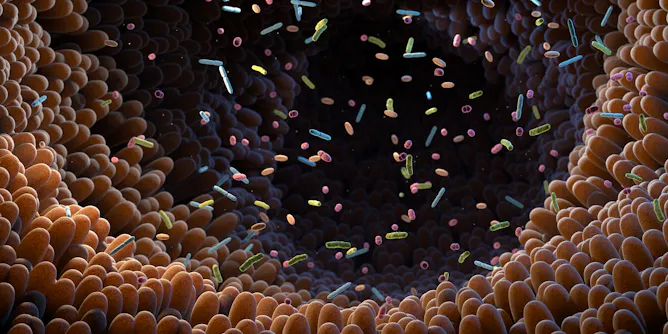
Both light and food provide signals your body listens to as it calibrates essential functions, including metabolism.
Articles on Circadian rhythms
Displaying 1 - 20 of 161 articles

Hormones and nutrients carry signals about time of day to babies before birth. New research is exploring what happens when these rhythms are disrupted.
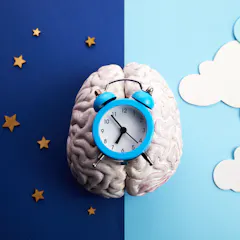
Research shows that disrupted body clocks can affect mood. A circadian rhythms researcher explains how sleep, light and meal timing influence mental health.
A new study suggests that sleep patterns may be linked to how people respond to antidepressants, raising the possibility of more personalised treatment.

As the clocks go back and daylight dwindles, our sleep, mood and appetite can change. Here’s what science reveals about the winter slump.
Changing the time on a clock does not instantly reset our body’s internal system. But these strategies can help.

What happens to astronauts’ circadian rhythms when the Sun no longer provides a reliable schedule?
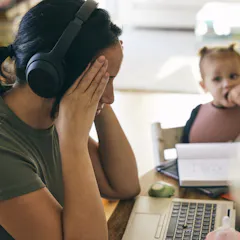
You can build resilience that will work with the changing rhythms in your life.

Eight hours isn’t necessarily the magic number for sleep. Your age, body clock and individual needs all matter.
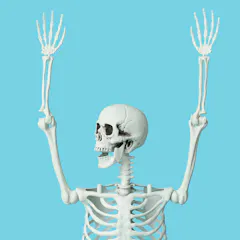
Your bones run on a 24-hour clock too and disrupting it with late nights and screens could be weakening your skeleton.
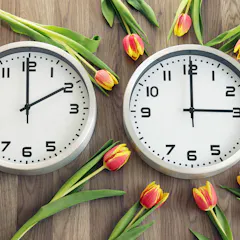
A bill now being considered in the Senate would make daylight saving time permanent, but research suggests moving to standard time would bring more benefits.

Because melatonin is sold as a dietary supplement rather than a drug in the US, there is little to no quality control over the wide array of product types.

Technology, planning and management can reduce lighting energy use by over 60%.

Aligning your workouts to your unique ‘chronotype’ may boost the benefits you see.

The adoption of permanent DST in B.C. raises significant concerns about social jetlag and long-term health impacts, especially for young people.
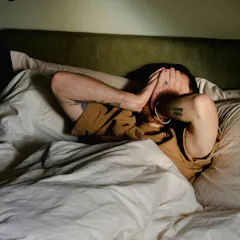
February creates a perfect storm for night owls: limited daylight and the added burden of ‘social jet lag’ layered with circadian misalignment. Here’s how to get through the dark days.
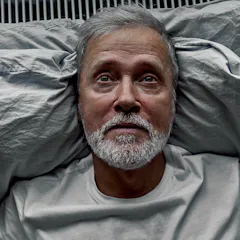
Research links disrupted biological rhythms to dementia risk, but sleep length alone may not be the key factor.

Using evidence-based strategies that focus on mindset, light exposure, activity, rest and social connection can help people beat winter-related low mood.

The ‘Scandinavian sleep method’ is having a moment on social media. But what is it? And will it stop you fighting over the doona?

Christmas disrupts sleep more than any other time of year. Here are 12 hidden culprits and how to beat them.
Top contributors
-

Emeritus Professor of Psychology, Adelaide Institute for Sleep Health, Flinders University
-
Professor, School of Medicine, University of Connecticut
-
Professor of Neurology and Pediatrics, Vanderbilt University
-
Director, Appleton Institute, CQUniversity Australia
-
Associate Professor, Physiology of Circadian Rhythms, Institute for Molecular Bioscience, The University of Queensland
-
Lecturer, University of Cambridge; Anglia Ruskin University
-
Research fellow, The University of Queensland
-
Associate Professor of Neurology, University of Pittsburgh
-
Conjoint Senior Lecturer, School of Medicine and Public Health, University of Newcastle
-
Professor of Chronobiology and Integrative Physiology, University of Surrey
-
Personal Chair in Nutrition, The Rowett Institute, University of Aberdeen
-
Professor (Assoc), School of Pharmacy and Biomolecular Sciences (PBS), RCSI University of Medicine and Health Sciences
-
Associate Professor, Cognitive and Affective Neuroscience, University of Southampton
-
Associate Professor of Physical & Biological Sciences, University of California, Santa Cruz
-
Professor of Endocrinology, University of Oxford