
Research suggests certain gut bacteria may have a role in helping us maintain cognitive function as we age. A celatus is one of these.
Articles on Brain health
Displaying 81 - 100 of 115 articles
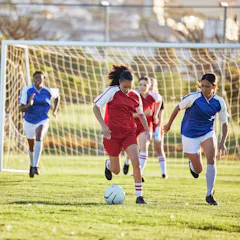
New guidelines from the Australian Institute of Sport recommend players in youth and community sport are sidelined for three weeks after a concussion. Here’s why.

Caffeine is the most consumed psychoactive substance globally.
Here’s why a healthy balance of microbes is important for astronauts when they travel to Mars and beyond.
Racial threats and slights take a toll on health, but the continual invalidation and questioning of whether those so-called microaggressions exist has an even more insidious effect, research shows.
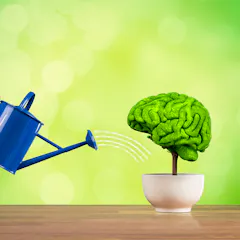
Lifestyle-related dementia risks are complex, with factors like sleep, exercise, diet and social contact interacting with things like cognitive reserve, neuroplasticity and inflammation in the body.
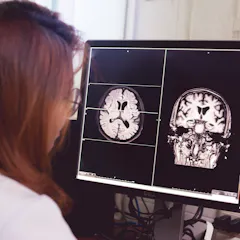
This study shows at least two different mechanisms lead to cognitive decline – both in healthy people and people with Alzheimer’s.

Concussions can teach researchers a great deal about how the brain recovers after injury and offer insights into how people can promote brain health throughout their lives.
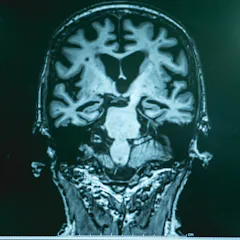
Disorders such as Alzheimer’s and epilepsy are difficult to diagnose with only occasional doctor visits. A new approach would allow fathering of extensive real-world data directly from patients.
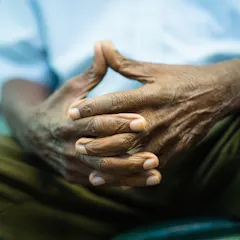
Alzheimer’s disease is the most prevalent form of dementia. This is a term used to describe a range of symptoms linked to the decline in brain function with age.

Our study revealed that people who nap frequently have larger brain volume.

We live in a world where we frequently do not get enough sleep, but we need sleep if our brains are going to stay healthy and function efficiently.

Researchers are trying to understand whether ultraprocessed foods erode brain health in the aging process.

Canadian researchers are exploring unanswered questions about concussion: How to diagnose it accurately and quickly, how to predict outcomes and promote recovery, and how to prevent it altogether.

Action is needed to hold off a wave of dementia cases in an aging population. One of the most effective tools to reduce the prevalence of dementia is to address modifiable factors.

Our new research with mice visualised how differently aged brains pump out toxic protein waste during sleep.

It’s still unclear whether HRT can protect brain function and prevent dementia.

Like a Scrabble habit, a passion for Wordle isn’t likely to make you smarter or ward off brain aging. But it may give you a daily dose of complex cognition combined with social interaction.

Without this tiny, ubiquitous shellfish, the story of human life on Earth may have played out quite differently.

Pollution from more frequent floods and wildfires – exacerbated by the warming climate – is threatening human health and poses particular risks to the brain.
Top contributors
-

Professor of Biological Psychology, Loughborough University
-
Research Fellow in Neuroimmunology, UCL
-
Professor, Adjunct Research Fellow, School of Health Science, Swinburne University of Technology
-
Research Fellow, UQ School of Human Movement and Nutrition Sciences, The University of Queensland
-
Professor of Anatomy, Lancaster University
-
PhD Candidate, Neuroscience, University of Sheffield
-
Senior Nurse Lecturer, London South Bank University
-
Affiliate Professor, Department of Family Medicine, McGill University
-
Assistant Professor, Faculty of Law, Bond University
-
Physical activity researcher, Deakin University | Lecturer in science communication, The University of Melbourne
-
Lecturer in Cognitive Neuroscience, City St George's, University of London
-
Professor and Tier 1 Canada Research Chair in Developmental Neurogenetics, University of British Columbia
-
Contract Lecturer in Digital Media, Toronto Metropolitan University
-
Professor of Behavioral Neuroscience, University of Richmond
-
Professor of Public Health; Director, Centre for Public Health Research, Te Kunenga ki Pūrehuroa – Massey University