
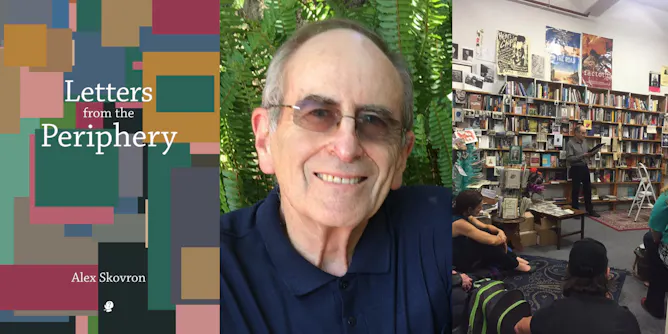
Melbourne writer Alex Skovron has been recognised with a national award at 75. Alongside his own work, Skovron’s quiet impact on poets and poetry in Melbourne has been immense.
Articles on Australian literature
Displaying 121 - 140 of 339 articles
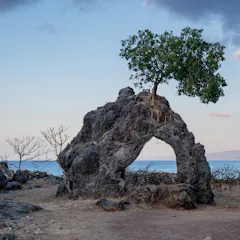
In The Idealist, the machinations of the Australian government become a sinister backdrop to what seems to be a story of liberation.
Paradise Estate is a good-humoured depiction of the travails of share-house living, with a political edge.
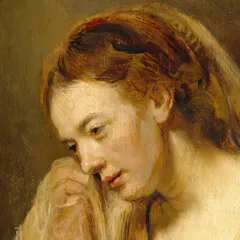
The latest books by Gretchen Shirm and Briony Doyle are preoccupied with the aftermaths of recent deaths.
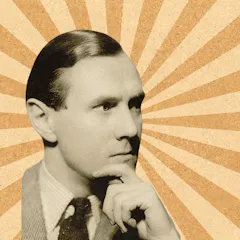
The aura of a major literary prize will inevitably fade. What we are left with is the work itself.

Verity Laughton’s stage adaptation of Pip Williams’ best-selling book is a a very clever realisation.
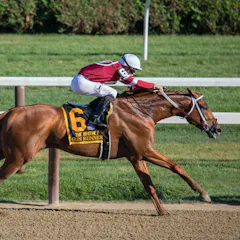
A new book designed to interest potential and beginning readers also offers plenty of new ideas to interest well-versed Murnanians.
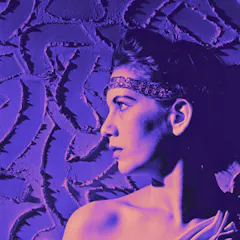
Australian writer Charmian Clift was born 100 years ago today. One rivetting photograph of Clift captures the existential yin and yang explored in her work.
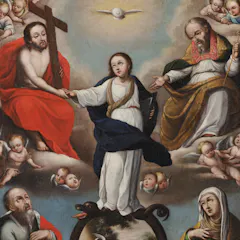
Some fairy tales tell the brutal truth, others offer the hope of a happy ending. Immaculate raises the possibility of both.
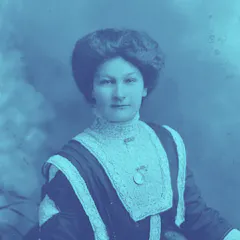
Family memoir and reimagined history dovetail beautifully in Kate Grenville’s latest novel.

Jessica Zhan Mei Yu’s witty, ‘effervescent’ debut novel follows a Sylvia-Plath-loving young Malaysian-Australian writer’s journey to ‘the heart of empire’ in the UK.
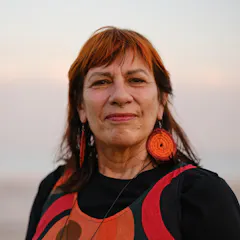
Ali Cobby Eckermann’s first book since winning the Windham Campbell Prize may well prove her most enduring.
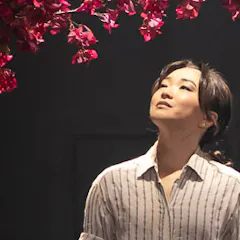
The Sydney Theatre Company’s adaptation of the book is both more poignant and more life-affirming from the dry bones of the original.

In the 1957 worldwide bestseller, Australia is – briefly – the last habitable place on earth, following a nuclear world war. One character asks, as they wait to die: ‘Why did all this happen to us?’
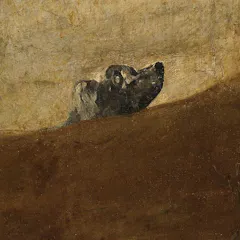
The Pole and Other Stories explores familiar Coetzeean themes of love, death, ageing, art and human-animal interaction.
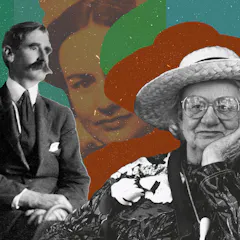
Henry Lawson said deafness was ‘in a great measure responsible for my writing’. Wright said hers was ‘part of the conditions I live under’. Their disability was inherent to their creativity.
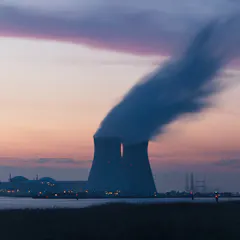
In speaking to the moment, poets are bringing the apocalypse to Australian literature.
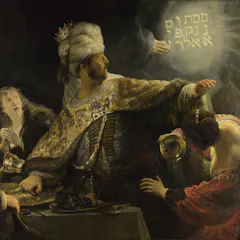
Jen Craig’s new novel Wall confirms she is an ambitious writer in the best sense: she wants to convey deeply conflicted and even contradictory states of being in the world.
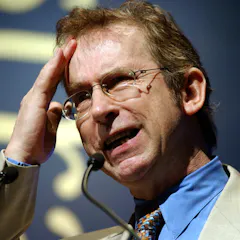
In her latest book, Sarah Krasnostein goes straight for the soul of Peter Carey’s writing.
Call Me Marlowe is a cosmopolitan novel that that challenges our commitments to national stories.
Top contributors
-

Distinguished Professor Emerita of Creative Practice, Faculty of Arts and Design, University of Canberra
-
Professor, Chair of Australian Literature, The University of Western Australia
-
Professor in Politics and Journalism, University of Notre Dame Australia
-
Dean of Research (Creative), Adelaide University
-
Associate Professor in Literary Studies, RMIT University
-
Professor of English Literature, University of Southern Queensland
-
Emeritus Professor of Creative Writing, The University of Melbourne
-
Director of AustLit, Associate Professor in Digital Cultural Heritage, The University of Queensland
-
Senior Lecturer in English Literature, Charles Sturt University
-
Associate Professor of English, Australian National University
-
Director of Creative Writing, Macquarie University
-
Associate Professor, Creative Writing and Literary Studies, Victoria University
-
Associate Professor in Literary Studies, Monash University
-
Professor of Writing and Literature, Deakin University
-
Senior Lecturer, Creative Writing and English, Edith Cowan University