
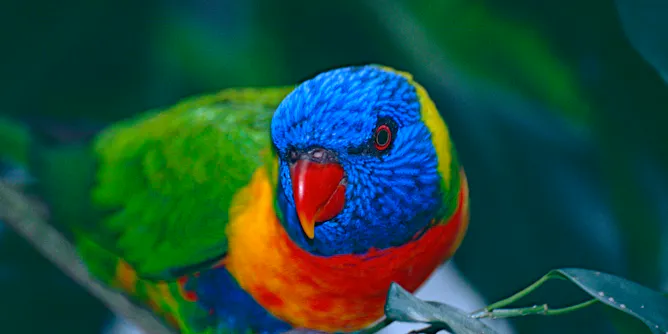
For poet Robert Adamson, the natural world offered a form of deliverance.
Articles on Australian literature
Displaying 101 - 120 of 339 articles

The End of the Morning is Charmian Clift’s most successful piece of fiction. But it is only a piece and one that leaves two matters unresolved.
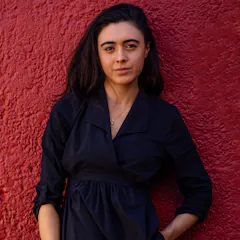
Winnie Dunn has made it her project to bring a more sensitive intercultural understanding to an unfamiliar readership
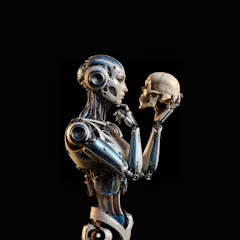
Australian literature is a rich and largely untapped source of information about how Australians think about AI.
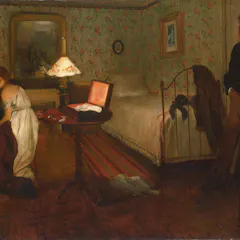
At a time when women had limited rights, writers found ways to raise the issues of coercion and control.
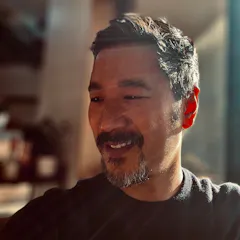
To ask whether 36 Ways to Write a Vietnamese Poem is a collection of poems or a single long poem is to step through the looking glass.
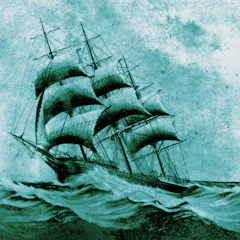
Gail Jones has written a richly evocative novel that warrants attention, both for its fascinating subject-matter and for its outstanding writerly qualities.
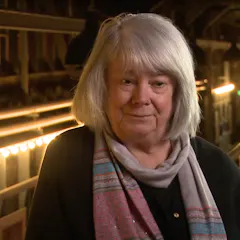
Marion Halligan wrote novels that are compulsively readable and full of ideas.
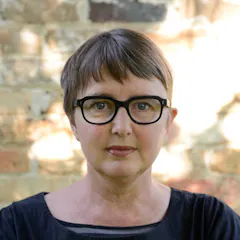
Georgia Blain’s final, posthumous collection offers clear-eyed, calm compassion – and a capacity to live with, and alongside, damage, trauma and unspeakable loss, and a way of staying human.
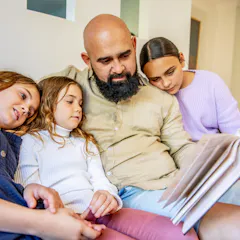
The owner of Robinsons Bookshop has listed several kinds of books ‘missing’ from its shelves, including ‘kids picture books with just white kids on the cover’.
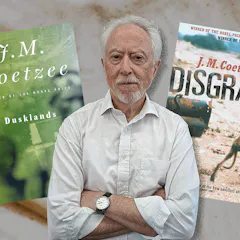
The fiction of J.M. Coetzee is always formally daring, brave in its social critique and its refusal to play by the rules.
Politica is set in an unnamed town where past is ever present, and the present is barely tolerable in the absence of a hopeful future.
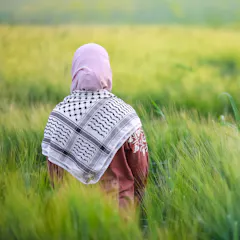
In her prose and her poetry, Sara M. Saleh renders unique the ways people resist, transcend, adapt, make the best of things, compromise, endure, and lose hope and faith.

Research suggests the act of creative writing can have therapeutic benefits.
Alex Miller is a man of humble origins, adventurous journeys, and a slow-burning but ultimately impressive literary career.
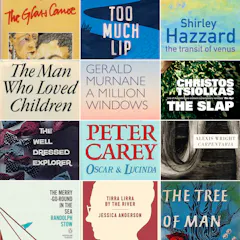
A major new history of the Australian novel is shaped by the recent renaissance in Indigenous writing, but there are some notable omissions.
Amanda Lohrey’s new novel, The Conversion, poses questions that matter to how we read, write and live now – through a couple’s renovation of a church into a home.

Pi O is known for his wit and irreverence. His anarchism, reflexive anti-Americanism and anti-capitalism are all part of the deal.
In Question 7, Richard Flanagan writes of the contingencies of history, and troubles the distinction between truth and fabrication.
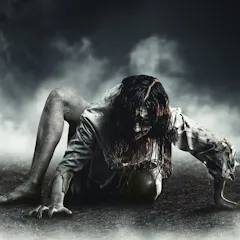
Despite its neglect, Australian horror is alive and kicking – and crawling on the floor, frightfully howling at the moon, and swimming with creepy serpents in a lake.
Top contributors
-

Distinguished Professor Emerita of Creative Practice, Faculty of Arts and Design, University of Canberra
-
Professor, Chair of Australian Literature, The University of Western Australia
-
Professor in Politics and Journalism, University of Notre Dame Australia
-
Dean of Research (Creative), Adelaide University
-
Associate Professor in Literary Studies, RMIT University
-
Professor of English Literature, University of Southern Queensland
-
Emeritus Professor of Creative Writing, The University of Melbourne
-
Director of AustLit, Associate Professor in Digital Cultural Heritage, The University of Queensland
-
Senior Lecturer in English Literature, Charles Sturt University
-
Associate Professor of English, Australian National University
-
Director of Creative Writing, Macquarie University
-
Associate Professor, Creative Writing and Literary Studies, Victoria University
-
Associate Professor in Literary Studies, Monash University
-
Professor of Writing and Literature, Deakin University
-
Senior Lecturer, Creative Writing and English, Edith Cowan University