

Two to three cups of coffee daily linked to lower dementia risk.
Articles on Alzheimer's disease
Displaying 41 - 60 of 455 articles

These tests could aid with early detection of the disease or identify at-risk people.

A new mouse study suggests some cancers release signals that help the brain clear Alzheimer’s-linked proteins, offering clues to a long-standing medical mystery.

Dementia today occupies the same stigmatized, system-neglected space that cancer did half a century ago. And history shows us that stigma, not simply the absence of cures, delays progress.

A Brazilian study investigated the effects of microdoses of cannabis extract in patients with mild Alzheimer’s disease, and found cognitive decline stalled.

Two major trials show the weight-loss drug offers no cognitive benefit to people with early Alzheimer’s, dashing hopes it might protect the brain.

These films ask: what do we do with the love we have for someone who faces this illness?
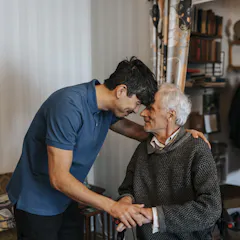
Addressing the financial and personal aspects of aging proactively helps to ensure that you will receive the care you need – and want – as you age.

A 25-year study reveals that silent heart damage in your 50s can predict dementia risk decades later.

Even modest amounts of walking – as few as 3,000 steps a day – may help protect against Alzheimer’s by reducing harmful tau proteins in the brain.

Treating people with dementia as full, thriving human beings requires awareness of stigma and simple communication strategies.
The technique represents a new way of thinking about Alzheimer’s treatment.

This sign of neurodegenerative disease often appears much earlier than other symptoms.

The drug may slow the progression of Alzheimer’s disease, but it doesn’t improve the symptoms. It’s also incredibly expensive.
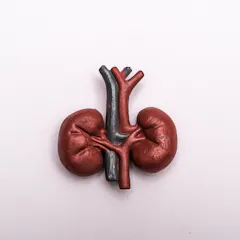
Leaky kidney filters linked to higher dementia risk.

Insomnia damages the brain in two ways that fuel cognitive decline.

The SHIELD (Sleep, Head Injury prevention, Exercise, Learning, and Diet) mnemonic offers a clear and effective strategy for lowering dementia risk.

New insights into the diabetes-dementia connection.

The test could someday help diagnose Alzheimer’s related memory issues without the need for unnecessary waits or time consuming procedures.
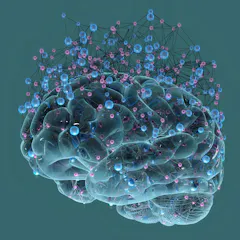
Better sleep may help clear toxins associated with dementia from the brain.
Top contributors
-

PhD Candidate, Neuroscience, University of Sheffield
-
Research Fellow in Neuroimmunology, UCL
-
Professor of Chemistry and Senior Scientist of the Krembil Research Institute, University Health Network, University of Toronto
-
Professor of Biological Psychology, Loughborough University
-
Head of Clinical Services, Dementia Support Australia, & Associate Professor of Psychiatry, Monash University
-
Professor Emeritus of Molecular Neurobiology at the University of Manchester and a Visiting Professorial Fellow, University of Oxford
-
Associate Professor, Turner Institute for Brain and Mental Health, Monash University
-
Professor of Neurology and Neuroscience, University of Florida
-
Étudiant au doctorat en psychologie, Université du Québec à Montréal (UQAM)
-
Post grad student at University of Edinburgh, University of Edinburgh
-
Host, The Conversation Weekly Podcast, The Conversation
-
Professor of Neurology, UCL
-
Associate Professor in Cellular Neuroscience, University of Reading
-
Professor of Psychology in Epidemiology, UCL
-
Affiliate Professor, Department of Family Medicine, McGill University