
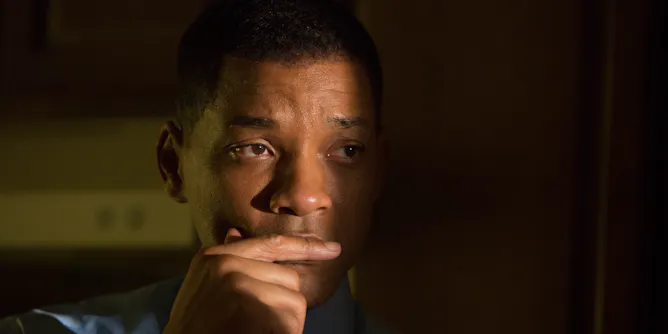
Once the stuff of tweeting birds and rolling cartoon eyes, bumps on the head are now linked to dementia. Will Smith’s latest movie tells how sports authorities tried to cover it up.
Articles on Alzheimer's disease
Displaying 361 - 380 of 455 articles

For the first time, researchers have shown that feeding vervet monkeys a toxin produced by blue-green algae resulted in protein deposits in the brain, consistent with those seen in human Alzheimer’s.
Everyone has heard of Alzheimer’s, but little-known DLB affects millions worldwide.
As we mark World Alzheimer’s Day, research shows that tackling non-communicable diseases such as diabetes and hypertension could reduce the caseload.
How old you are depends not so much when you were born but how your clock is ticking.
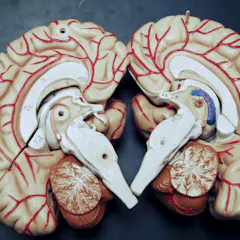
New research has identified a known neurodegenerative disease as being caused by prions. And it has again raised the possibility that these proteins are infectious.

For a growing number of artists, academics, researchers and scientists, dance represents a promising new frontier of exploration. The annual DANscienCE festival shines a spotlight on their findings.
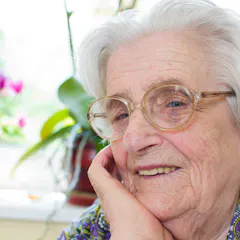
People with dementia judge the passage of time differently, and can access remote memories from many decades ago while being unable to remember events of the past few hours.
Five new European studies say dementia occurrence is stable or falling. Our panic may have been unnecessary.
It’s no longer about taking dementia seriously, but doing something serious about it.
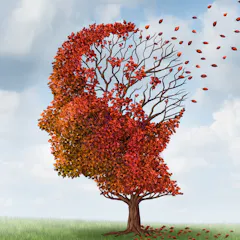
Although dementia has a major effect on both public health and society, first-time findings from Scotland show that we know much less about the condition than we should.

What is holding back the discovery and development of any effective treatments for dementia?

From time to time, we all misplace our keys or forgets someone’s name, at least for a few minutes, and we worry about “getting Alzheimer’s”.
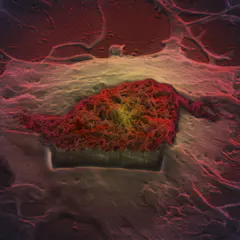
Our blood-brain barrier protects us by blocking out unwanted material but with age it also blocks waste from getting out.

The widely loved author’s legacy was far from confined to the fantastic worlds he created in his books.

Families could ease burden of dementia in hospitals but politicians are scared to propose it for fear of branding NHS a ‘failure’.
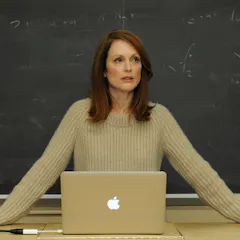
Still Alice tells a story that is worth telling: any debate is better than none.
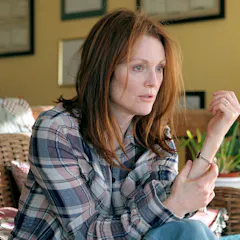
The film, widely championed for raising awareness about the disease, misses some key elements.

Evidence that vitamin B can reduce the levels of an amino acid that is a risk factor for dementia have been sidelined by one flawed study.

For many of us, memories are our most precious possessions; they makes us the people we are. Consider how you would feel then if your memories were stripped from you, as they are from people diagnosed…
Top contributors
-

PhD Candidate, Neuroscience, University of Sheffield
-
Research Fellow in Neuroimmunology, UCL
-
Professor of Chemistry and Senior Scientist of the Krembil Research Institute, University Health Network, University of Toronto
-
Professor of Biological Psychology, Loughborough University
-
Head of Clinical Services, Dementia Support Australia, & Associate Professor of Psychiatry, Monash University
-
Professor Emeritus of Molecular Neurobiology at the University of Manchester and a Visiting Professorial Fellow, University of Oxford
-
Associate Professor, Turner Institute for Brain and Mental Health, Monash University
-
Professor of Neurology and Neuroscience, University of Florida
-
Étudiant au doctorat en psychologie, Université du Québec à Montréal (UQAM)
-
Post grad student at University of Edinburgh, University of Edinburgh
-
Host, The Conversation Weekly Podcast, The Conversation
-
Professor of Neurology, UCL
-
Associate Professor in Cellular Neuroscience, University of Reading
-
Professor of Psychology in Epidemiology, UCL
-
Affiliate Professor, Department of Family Medicine, McGill University