
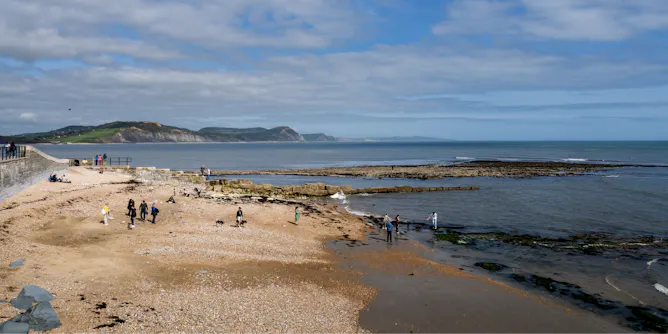
For new bathing water applications, official status now depends partly on whether water quality can improve.
Articles on Pollution
Displaying 1 - 20 of 660 articles
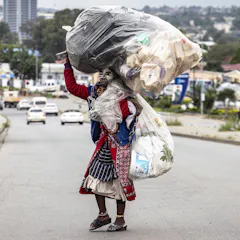
South Africa has laws and policies to reduce plastic waste. But they need enforcement, local recycling centres and to involve waste reclaimers in planning.
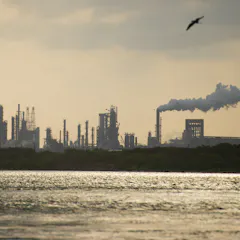
An atmospheric scientist explains how the outgoing Texas governor sidestepped federal rules on soot, smog and haze – and what his successor can do about it.

A team of researchers charts developments in all-electric ferry travel in Europe and explores the lengths ports and operators would have to go to in order to switch to fully rechargeable technology.
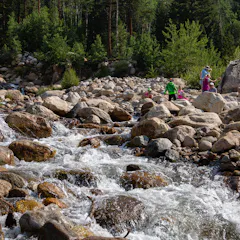
A new study found nitrate hot spots in some unexpected places, including the Rocky Mountains and the Sahara Desert.
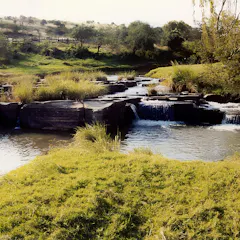
When this South African river became polluted and damaged, nearby communities’ water and food supplies, incomes and cultural connections suffered.

The consequences of lighting firework displays are spread among households, public services and wildlife.
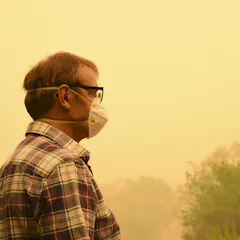
In Australia, many apps and websites offer local air quality ratings. An expert explains what to look out for.

Africa’s circular economy is already at work in repair shops and scrap yards. Backing the people who keep goods in use could cut waste and create better jobs.
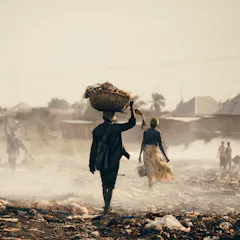
African countries could save billions, prevent deaths and slow climate change by cutting air pollution.

Keeping aging coal plants open, building new gas plants and choices about pollution controls affect electricity bills. Pollution adds health costs and climate damage that may not appear on those bills.

Even South Africa’s remote sacred springs are not untouched: research found microplastics in all nine tested, including waters used for healing and drinking.
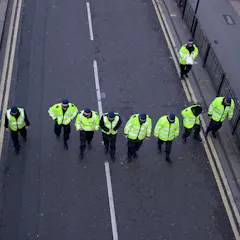
How big policy areas like crime, education, transport and energy have changed.
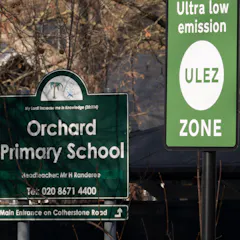
Even modest differences in lung function and growth across childhood can matter for long-term health.

For decades, regular citizens and advocacy groups have filed suits that forced companies and the federal government to clean up the environment. Trump officials have moved to limit that power.
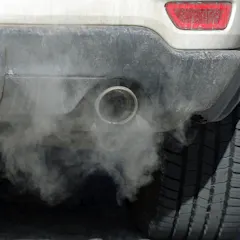
Idling vehicles are easy targets for enforcement – they’re often left running for no good reason.
Two garments made from the same fibre may have very different environmental footprints depending on how they were processed and finished.

Even small increases in air pollution can increase the risk of serious respiratory illnesses for preterm infants and their risk of having asthma as they get older.
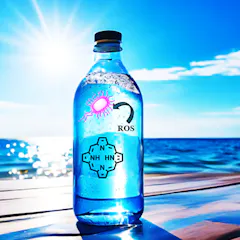
Scientists are exploring light-activated nanoparticles to kill biofilms in stored drinking water, aiming to make household water safer in South Africa.
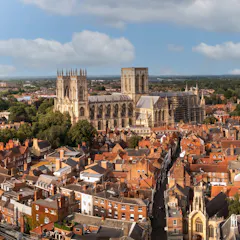
Researchers have transformed air quality data into maps, visualisations and exhibitions to connect people to the issues in tangible ways.
Top contributors
-

Honorary Professor, School of Natural Sciences, Macquarie University
-
Associate Professor in Environmental Science, Western Sydney University
-
Professor, UNSW Law & Justice and UNSW Institute for Climate Risk & Response, UNSW
-
Professor of Environmental Science, University of South Africa
-
ARC Future Fellow and Associate Professor in Climate Science, ARC Centre of Excellence for 21st Century Weather, The University of Melbourne
-
Emeritus Professor of Medicine, Adelaide University
-
Senior Principal Research Scientist, Environment, CSIRO
-
Senior Research Fellow at the Stockholm Environment Institute, University of York
-
Professor, Obafemi Awolowo University
-
Professorial Fellow, ARC Centre of Excellence for Coral Reef Studies, James Cook University
-
Professor of Biology, University of Portsmouth
-
Professor, Australian National University
-
Associate Professor, Australian National University
-
Postdoctoral research fellow, University of the Ryukyus, Okinawa Japan, Madonna University, Nigeria
-
Associate Professor and Water Management Expert, University of South Africa