
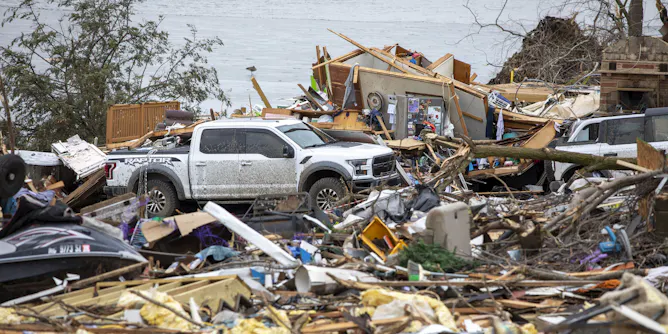
In communities across America, people recovering from floods, storms and wildfires have been left waiting much longer for federal aid – if it arrives at all.
Articles on Extreme weather
Displaying 1 - 20 of 716 articles
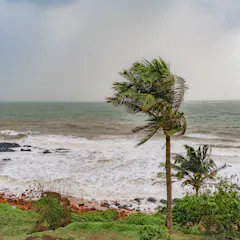
The El Niño climate pattern has long influenced weather across the globe.
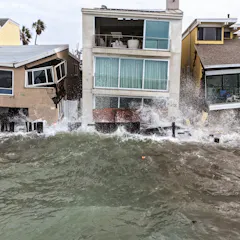
Tropical storms rarely survive in the cool water off California, but waves from storms far to the south can still damaged coastal areas. And flooding rain can sweep in.
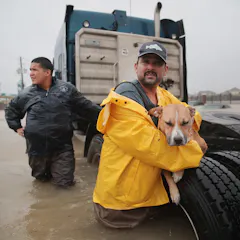
Storms big and small can produce a lot of rain. What matters most is how fast they’re moving, as an atmospheric scientist and educator explains.
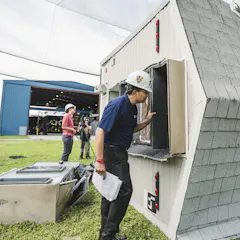
Engineers are using a unique test facility called the Wall of Wind to develop housing that’s both affordable and disaster-resistant. Their tests show the magnitude of the challenge.
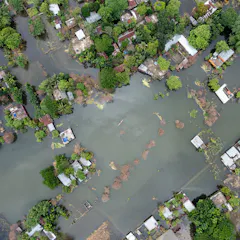
It’s increasingly common to hear climate-fuelled disasters described as the ‘new normal’. But our desire for normality and predictability is wishful thinking

Holiday destinations in northern Europe saw a boost in tourist numbers this summer, but for some this throws up new problems.

Wildfires are a growing issue in the UK, with incidents escalating in 2026.
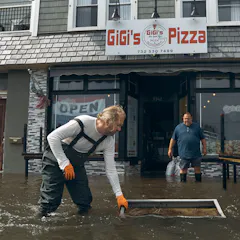
Several factors make for high water levels, and they conspired to worsen the storm surge that flooded coastal areas from North Carolina to New York.

To survive dry spells, trees stop the water-rich process of photosynthesis. When nature’s natural carbon capture machine grinds to a halt entire forests end up producing more CO₂ than they absorb.
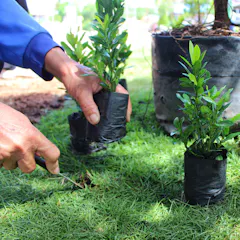
Plants can help homes stay cooler in a variety of ways.
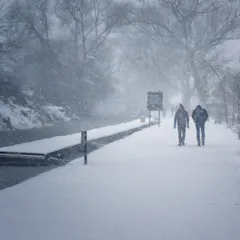
Across the northern hemisphere, cold spells are becoming milder as the temperatures rise, with their intensity decreasing by 0.3°C per decade.
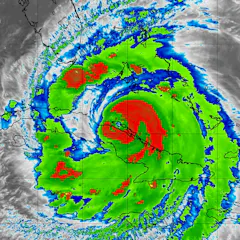
Storms like 2026’s Hurricane Polo that rapidly intensify can catch communities off guard and leave little time to prepare or evacuate. Being able to forecast those risks can save lives.
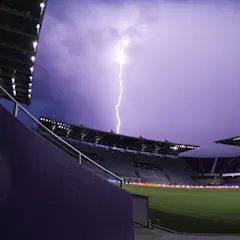
Players have been injured by lightning during games, and a strike to the stands could hurt a lot of fans.

Nearly 43% of UNESCO World Heritage Sites in Europe are now highly vulnerable to climate-related risks.
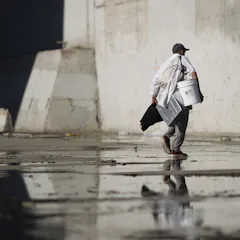
Aging levees and dams are only the beginning of the risks communities face. One of the biggest challenges is helping people manage the heat and storms.
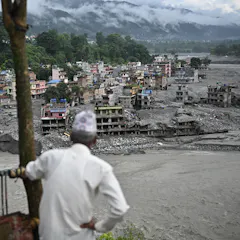
At least 119 countries have asked for aid from the fund set by major greenhouse gas emitting nations four years before the deadly Nepal flood. It has paid zero claims.
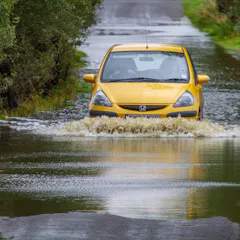
While deep water immobilises a vehicle, flowing water can take a car downstream.
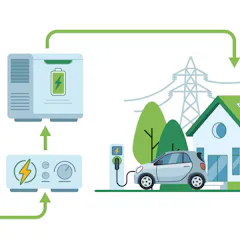
Our transport infrastructure and logistics supply chains were built for a stable environmental and energy baseline that no longer exists.
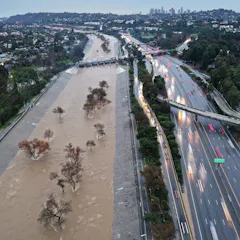
A new study connects early winter heat high up on the plateau to the jet stream and, ultimately, storms headed for the US coast. The results could mean better forecasts.
Top contributors
-

ARC Future Fellow and Associate Professor in Climate Science, ARC Centre of Excellence for 21st Century Weather, The University of Melbourne
-
Adjunct Professor of Environmental Geography, CQUniversity Australia
-
Professor of Climate Science, UMass Lowell
-
Principal Research Scientist in Extreme Weather, The University of Melbourne
-
Regius Professor of Meteorology and Climate Science, University of Reading
-
Professor of Economics and Environmental Studies, Wesleyan University
-
Associate Professor of Landscape Architecture and Urban Planning, Texas A&M University
-
Professor of Geology and Environmental Geosciences, University of Dayton
-
Professor emeritus, The University of Melbourne
-
Atmospheric Science Educator, Georgia Institute of Technology
-
Honorary Associate Professor of Climate Science, The University of Melbourne
-
Director, ANU Institute for Climate, Energy & Disaster Solutions, Australian National University
-
Meteorologist and Research Program Manager, University of Wisconsin-Madison
-
Senior Lecturer in Climate Science, Imperial College London
-
Professor of Natural Resources and Environmental Science, University of Vermont