
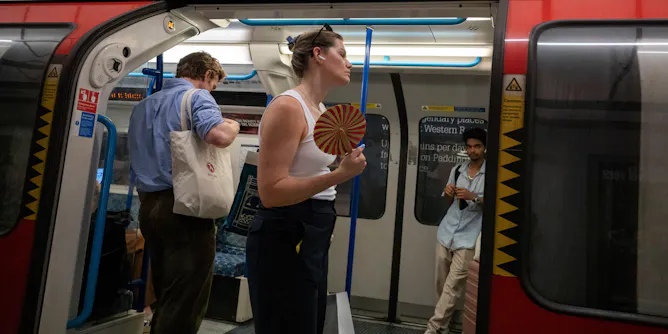
A 35°C heatwave really does “feel worse” in the UK than in many other countries.
Articles on Extreme weather
Displaying 61 - 80 of 716 articles
As people across Europe are having to acclimatise to an unprecedented heatwave, coordinated responses for tackling extreme heat need to come from the top, and there’s no time to lose.

The science will tell us what is likely to happen. The harder question is whether that knowledge reaches people in a form they can feel and act on.
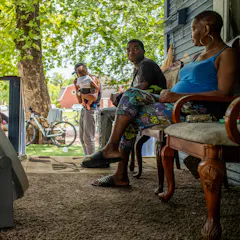
Heat waves can be dangerous, and the conditions indoors can be worse than outdoors. A study of all the single-family homes in Austin, Texas, shows why.
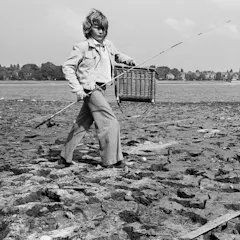
For 15 consecutive days, temperatures were over 32°C. Today, heatwaves are 3°C or 4°C hotter.

Heatwaves can damage hearts, kidneys, lungs and infrastructure.

At the heart of combating misinformation is critical thinking and recognizing when you’re being spun for corporate profit.
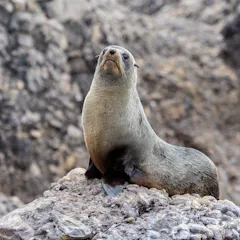
Marine species are increasingly battling intense storms and heatwaves – four experts explain why this matters.

Public trust in UK water companies is low, and this could be a challenge when the country faces another serious drought.

Sleep depends partly on body temperature. When nights stay hot, these low-cost cooling strategies may help.
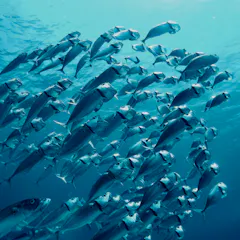
El Niño can trigger intense periods of extreme ocean warming known as marine heat waves that can devastate marine life.
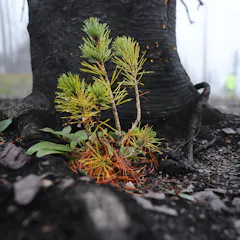
The dead remains of foundation species can boost or deter how well future generations are able to grow and thrive.

Extreme storm surges can be predicted much faster with high accuracy thanks to a new AI model that helps researchers and practitioners improve coastal flood risk assessment and adaptation planning.
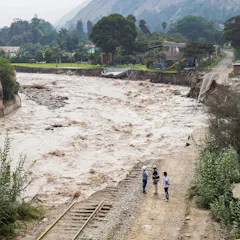
This atmospheric phenomenon can cause floods and droughts across the world.
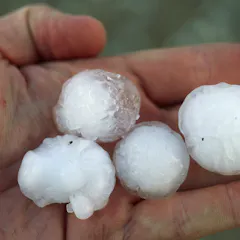
Costs from severe storms are increasing – and this global shift in hailstorm spells bad news for crops, too.

There’s a greater need than ever to understand how climate change in Antarctica will have global consequences – but research if getting more difficult.
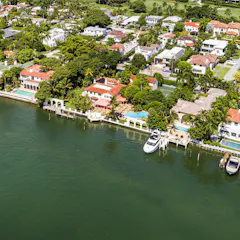
Subsidized insurance makes waterfront property seem safer than it is for wealthier buyers, while many low-income homeowners face repeat disasters with no help.
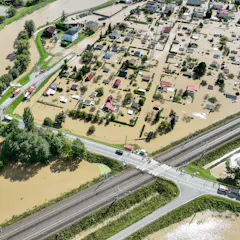
From California to France and the UK, traditional private markets are buckling under the weight of climate claims.
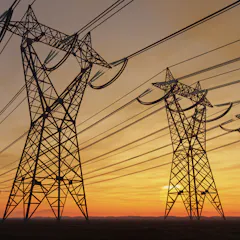
Western states are figuring out how to make electricity-sharing work, but it isn’t easy. Texas learned that the hard way.

Even though annual precipitation is rising nationally, the landscape is drying out more rapidly. That’s changing the water cycle.
Top contributors
-

ARC Future Fellow and Associate Professor in Climate Science, ARC Centre of Excellence for 21st Century Weather, The University of Melbourne
-
Adjunct Professor of Environmental Geography, CQUniversity Australia
-
Professor of Climate Science, UMass Lowell
-
Principal Research Scientist in Extreme Weather, The University of Melbourne
-
Regius Professor of Meteorology and Climate Science, University of Reading
-
Professor of Economics and Environmental Studies, Wesleyan University
-
Associate Professor of Landscape Architecture and Urban Planning, Texas A&M University
-
Professor of Geology and Environmental Geosciences, University of Dayton
-
Professor emeritus, The University of Melbourne
-
Atmospheric Science Educator, Georgia Institute of Technology
-
Honorary Associate Professor of Climate Science, The University of Melbourne
-
Director, ANU Institute for Climate, Energy & Disaster Solutions, Australian National University
-
Meteorologist and Research Program Manager, University of Wisconsin-Madison
-
Senior Lecturer in Climate Science, Imperial College London
-
Professor of Natural Resources and Environmental Science, University of Vermont