

How Harare has dealt with its urban canine citizens over the years following independence reflects the competing visions of a modern city.
Articles on Zimbabwe
Displaying 141 - 160 of 382 articles

Nine immigrants founded a cricket club in 1934 in Rhodesia. The Sunrise club survives to this day, part of Zimbabwe’s national culture.

CC BY-NC-ND10.2 MB (download)
Through stand-up comedy, women in Zimbabwe can resist patriarchal power relations. There are still far fewer female stand-ups in the country but the field keeps on growing.

Despite the challenges of being a female comedian, the women who do choose to perform feel emboldened to speak out in ways that can resist sexism.
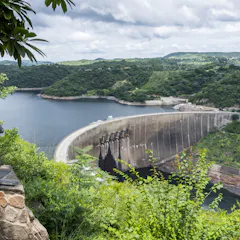
The socio-economic and political factors that keep conventional energy out of reach of the poor can do the same with renewable energy.
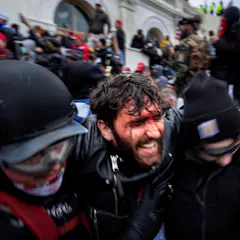
Elections are getting less safe in democracies and nondemocracies alike. Last year was the bloodiest year for elections in decades, with 54% of all national votes marred by some kind of violence.

If the new U.S. administration can show that it’s taking action to address widespread grievances, it should be able to move forward from this period of sustained mass protest.
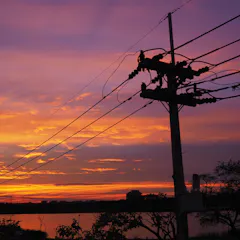
Universal energy access can only be achieved if people have the capabilities to use the energy to transform their lives.
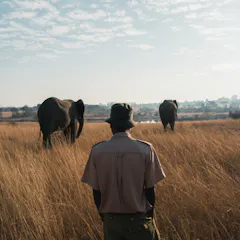
Forest rangers were subjected to occupational violence by their employers. This in turn can provoke a violent reaction to illegal activities, resulting in violent policing tendencies.
CC BY-NC-ND8.32 MB (download)
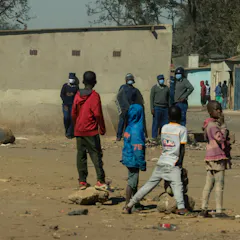
A story map shows how Harare's young people coped with lockdown in Zimbabwe.
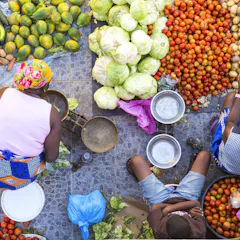
The fact that there’s a growing number of child vendors means government interventions for vulnerable children aren’t reaching everyone in need.
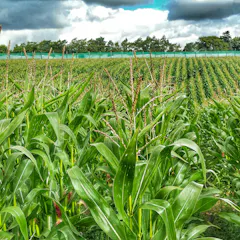
Rural communities are dynamic and complex. Imposing innovations that don’t speak to the needs of these communities will inhibit rural development.
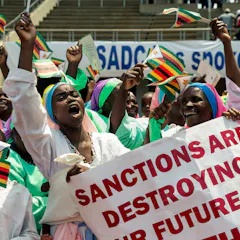
Countries or international organizations regularly enact sanctions against individual states. But how can the effectiveness of these measures be evaluated?

Locust outbreaks are driven by unusual climatic conditions.

A fully cashless society has often been presented as natural or inevitable. The experiences of Sweden and Zimbabwe highlight some pitfalls.

A forensic archaeologist and former Zimbabwe police officer uses his investigative skills to find the missing and the dead in his homeland.
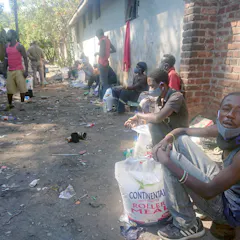
The story map reveals that like any part of society, street youth are both subject to and willing to conform to rules and conventions, in this case for their own and others’ safety.

Zimbabwe’s Education Amendment Act of 2020 is a step in the right direction, but more still needs to be done.

That none of his collections were published in apartheid South Africa testifies to the police state’s censorship.
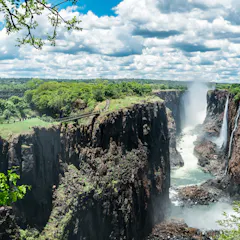
Study finds that Victoria Falls, a nature-based tourism resort town, is a significant contributor to carbon emissions throughout the tourism value chain in the area.
Top contributors
-

Professor of World Politics, SOAS, University of London
-
Research Associate, Dept of Anthropology & Development Studies and Fellow, Clare Hall, University of Cambridge, University of Johannesburg
-
Professorial Fellow, Institute of Development Studies
-
Senior Research Associate, University of Johannesburg
-
Professor of Sociology, University of the Witwatersrand
-
Senior Lecturer, Stellenbosch University
-
Professor of Democracy, University of Birmingham
-
Professor of Economics, Salisbury University
-
Extraordinary Professor, Department of Political Sciences, University of Pretoria
-
Assistant Professor, Harvard University
-
Visiting Professor, University of Kent
-
DLitt et DPhil Student in Politics, University of South Africa
-
Senior Research Fellow, Centre for the Advancement of Scholarship, University of Pretoria., University of Pretoria
-
Associate Professor in the Politics of Africa, University of Oxford
-
Honorary Senior Research Fellow, University of Stirling