
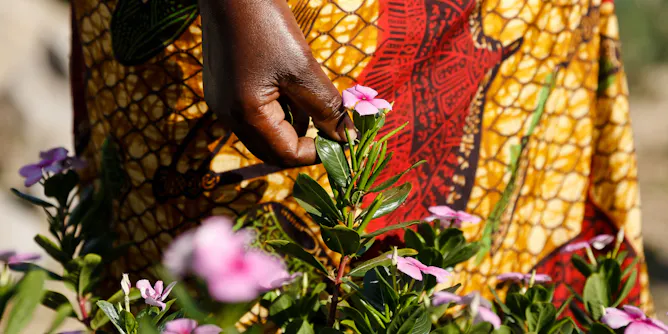
Thousands of plant species are used in African traditional medicine. Extracts from some of these plants are part of important pharmaceutical drugs.
Articles on Zimbabwe
Displaying 121 - 140 of 382 articles

Moore did not unearth any treasures in his research of Mugabe’s legacy. He has not even drawn a map that might lead us to them.
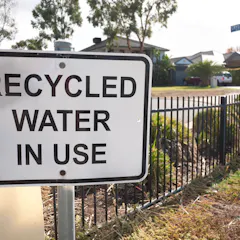
Researchers have long argued that greywater could bolster South Africa’s food security if it’s used to water domestic food gardens.

The decolonisation process was to take place rapidly during the reign of Elizabeth II.
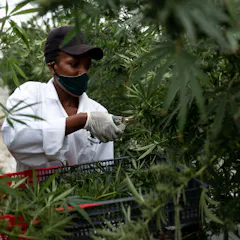
Ensuring the participation of ordinary citizens and producers in the industry is the big challenge facing African states.

Collectively, the evidence studied by ichnologists helps to paint a picture of long-gone landscapes and the creatures and plants that populated those spaces.

Refugee law puts humanitarianism above considerations of state sovereignty.

Despite regular incidents of anti-migrant violence, peaceful and mutually beneficial relationships between South Africans and migrants can and do exist.
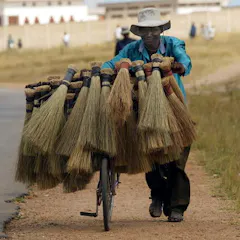
The informal sector in Zimbabwe is massive. Finding ways to connect it to the formal sector is vital.
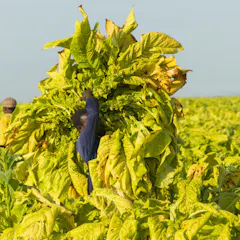
The state controls and regulates small farmers’ environmental practices without addressing what forces them to follow these practices.

Synik’s new album continues to shape identity and consciousness in a country with limited freedom of speech.

Saponins from plants can destroy viruses and other microorganisms in the same way commercial soaps and detergents do.
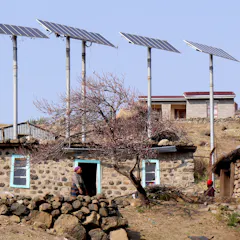
Sub-Saharan Africa is one of the world’s most sunlit regions. A prototype generator uses that sunlight in place of diesel to support unreliable electricity grids.

Continuous growth of energy production and consumption, even from low carbon energy sources, could create more problems than solutions.

The countries share related populations, economies, ecologies and epidemiologies. This interconnectedness highlights challenges and opportunities for more effective malaria control across the region.

To kick-start ethical regeneration of Zimbabwean society political leaders need to take the lead in the fight against corrupt and speculative activities.
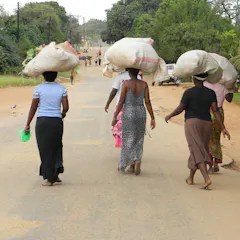
Informal economic activities in Norton, Zimbabwe play a part in environmental sustainability and contribute to the town’s financial sustainability.
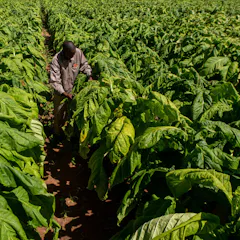
The focus of climate talks has been on how little time is left is for global action. But climate change has already made tobacco farming, potentially a route out of poverty, unviable for some.
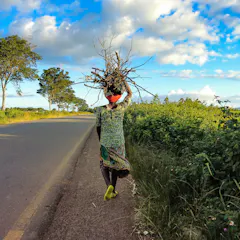
Developments in the energy sector shouldn’t be reduced to technological sophistication. They should be guided by how they improve the livelihoods of the intended beneficiaries.

Zimbabwe’s 2021 bumper harvest is a welcome development but, it’s important to know what’s behind this success and what challenges remain.
Top contributors
-

Professor of World Politics, SOAS, University of London
-
Research Associate, Dept of Anthropology & Development Studies and Fellow, Clare Hall, University of Cambridge, University of Johannesburg
-
Professorial Fellow, Institute of Development Studies
-
Senior Research Associate, University of Johannesburg
-
Professor of Sociology, University of the Witwatersrand
-
Senior Lecturer, Stellenbosch University
-
Professor of Democracy, University of Birmingham
-
Professor of Economics, Salisbury University
-
Extraordinary Professor, Department of Political Sciences, University of Pretoria
-
Assistant Professor, Harvard University
-
Visiting Professor, University of Kent
-
DLitt et DPhil Student in Politics, University of South Africa
-
Senior Research Fellow, Centre for the Advancement of Scholarship, University of Pretoria., University of Pretoria
-
Associate Professor in the Politics of Africa, University of Oxford
-
Honorary Senior Research Fellow, University of Stirling