
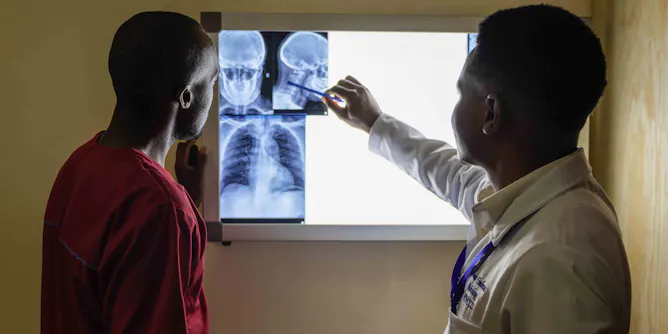
What appears to be an objective assessment of health need may instead reflect who can reach clinics, and which facilities have functioning digital infrastructure.
Articles on Zimbabwe
Displaying 1 - 20 of 382 articles
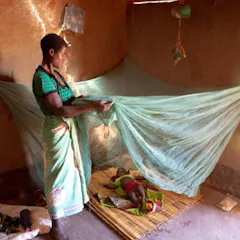
Getting the SADC region back on track is going to take collective action and strong regional collaboration.
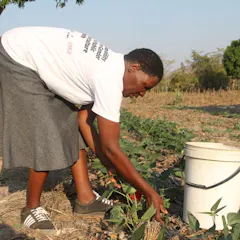
Households with certain assets can diversify into activities that produce higher incomes.
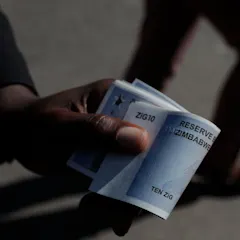
Zimbabwe’s goal should be to promote wider adoption of the local currency, not to use technology to force it.
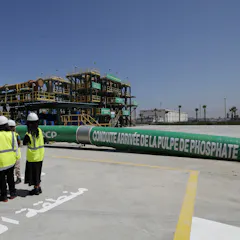
Africa has the minerals to power the green transition. Capturing more value means countries must pool market power and build shared capabilities.

Teenage pregnancy makes visible the pressures, relationships and reproductive conditions that shape young people’s lives across southern Africa.

South Africa’s history shows that anti-immigrant violence is neither an aberration nor the country’s only possible path.
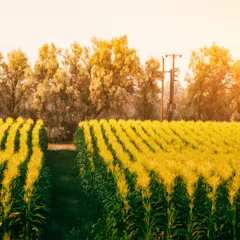
Trade within the Southern African Development Community is an issue holding back agriculture.
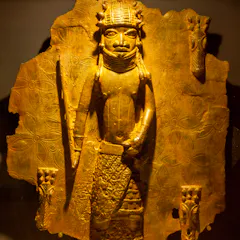
Archaeology can repair past harm, create work for people in the present and preserve cultural heritage for the future.
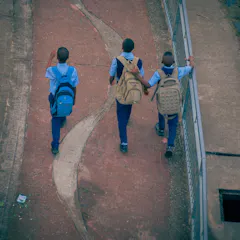
An eight-country study assessed whether parenting programmes that were developed through research also work when offered at a wider scale in real-life conditions.
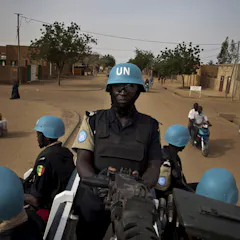
A child born into a community with a history of political unrest is at higher risk of abuse as they grow into a young adult.
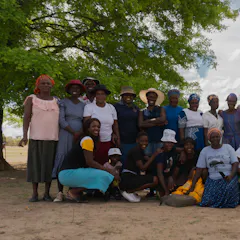
New research shows how women in rural Zimbabwe rebuilt their lives after Cyclone Dineo displaced hundreds of families and swept away their homes.

New research indicates that collective forms of governance were more likely.
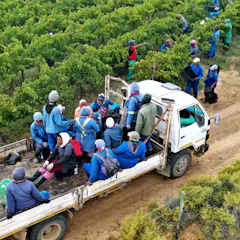
Global supply chains lead to companies capturing most of the value, while suppliers – and especially workers – get a much smaller share.
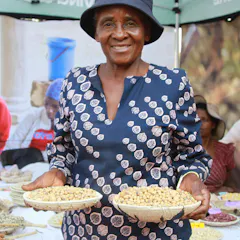
As climate crises deepen, Africa must turn its hard-won experience and local knowledge into global leadership on climate, health, food systems and clean energy.

After years of drought, Lake Kariba’s rising waters are bringing relief to Zimbabwe and Zambia, boosting electricity, fishing, tourism and wildlife.
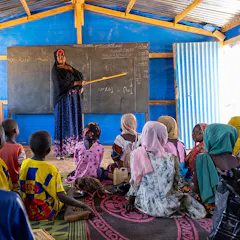
Eroding the gains made in education has severe consequences, especially for girls.

Foreigners have been shaping Ghana’s built environment for centuries.
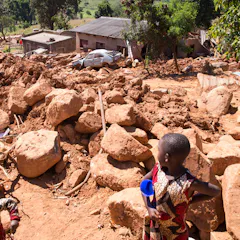
Disaster recovery agencies and governments must pay more attention to survivors’ invisible losses: grief, broken communities and disrupted identities.

Trance states may influence the movements depicted in rock art.
Top contributors
-

Professor of World Politics, SOAS, University of London
-
Research Associate, Dept of Anthropology & Development Studies and Fellow, Clare Hall, University of Cambridge, University of Johannesburg
-
Professorial Fellow, Institute of Development Studies
-
Senior Research Associate, University of Johannesburg
-
Professor of Sociology, University of the Witwatersrand
-
Senior Lecturer, Stellenbosch University
-
Professor of Democracy, University of Birmingham
-
Professor of Economics, Salisbury University
-
Extraordinary Professor, Department of Political Sciences, University of Pretoria
-
Assistant Professor, Harvard University
-
Visiting Professor, University of Kent
-
DLitt et DPhil Student in Politics, University of South Africa
-
Senior Research Fellow, Centre for the Advancement of Scholarship, University of Pretoria., University of Pretoria
-
Associate Professor in the Politics of Africa, University of Oxford
-
Honorary Senior Research Fellow, University of Stirling